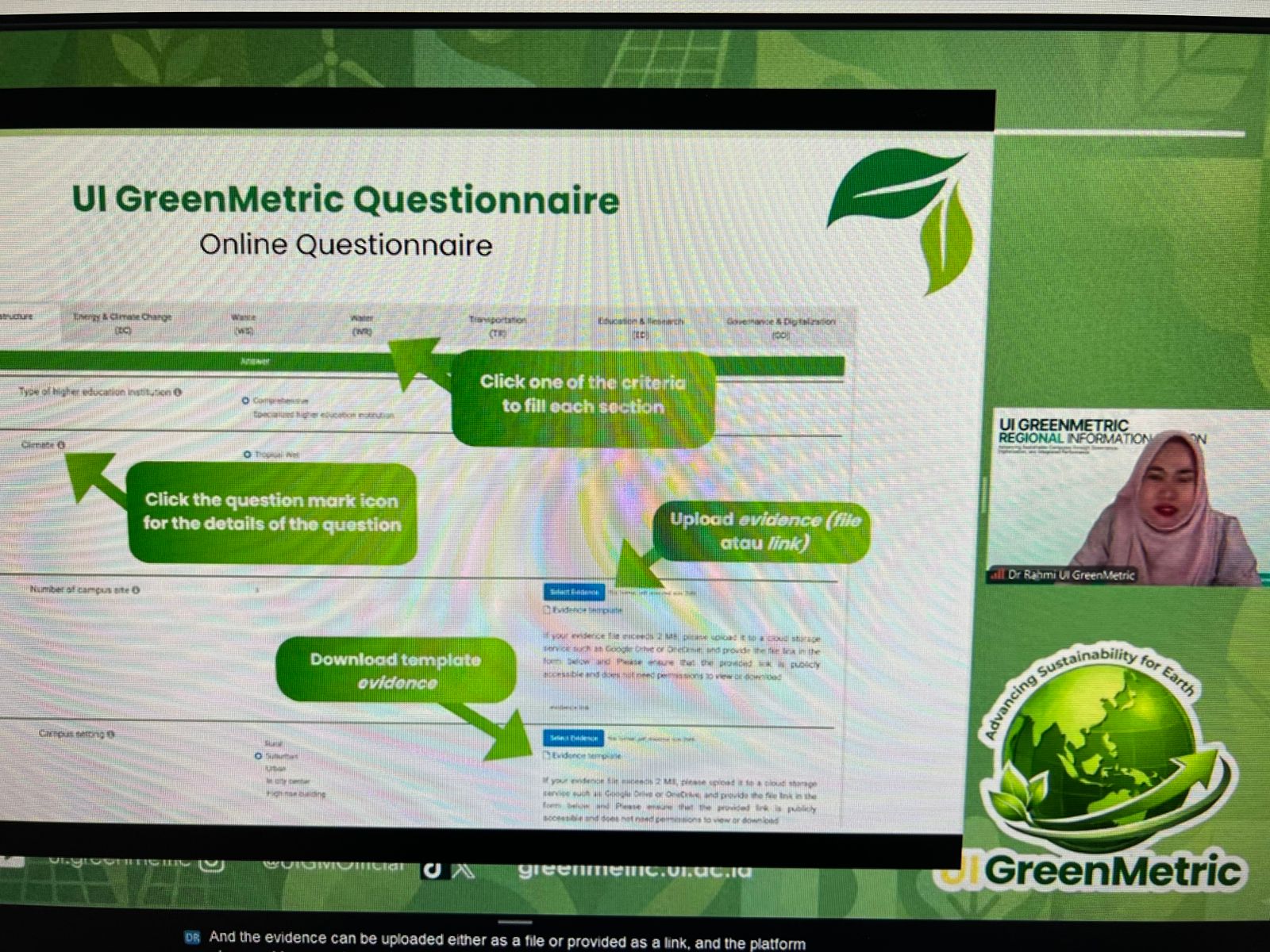
For almost 10 years Kazakh National Agrarian Research University (KazNARU) has been participating in the work of UI GreenMetric World University Rankings (which was established in 2010 by the University of Indonesia). UI GreenMetric World University Rankings ranks universities around the world in six categories:
- convenient university infrastructure;
- Use of energy-efficient and water-conserving technologies on campus;
- programs to recycle university-generated trash and conserve water;
- convenient transportation routes on campus,
- that reduce carbon dioxide and particulate emissions;
- environmental education in the university's educational programs.
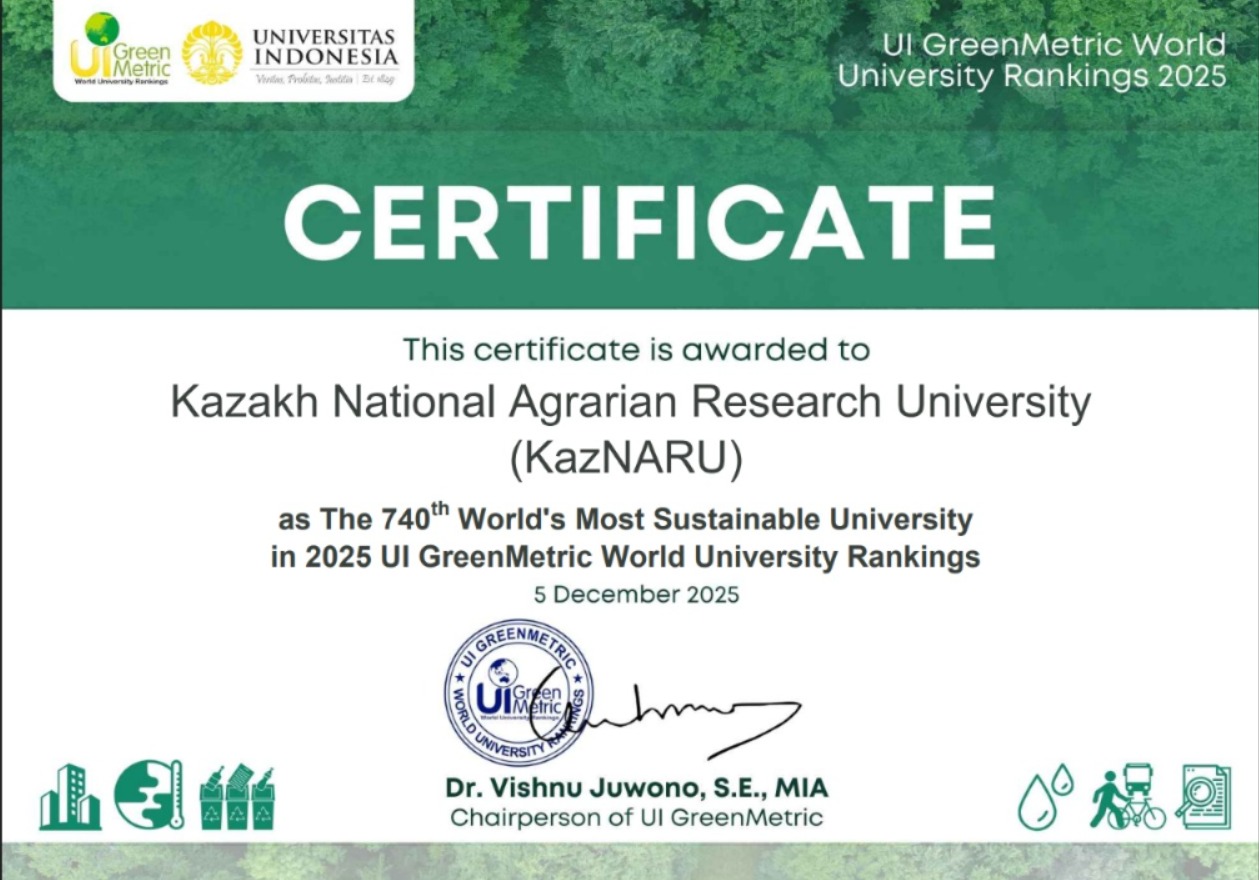
In general, the ranking utilizes the concept of environmental sustainability, which includes three elements such as: environmental, economic and social.
The environmental aspect involves the utilization of natural resources, environmental management and pollution prevention, while the economic aspect involves cost savings and profit making. The social aspect includes education, community and social
engagement.
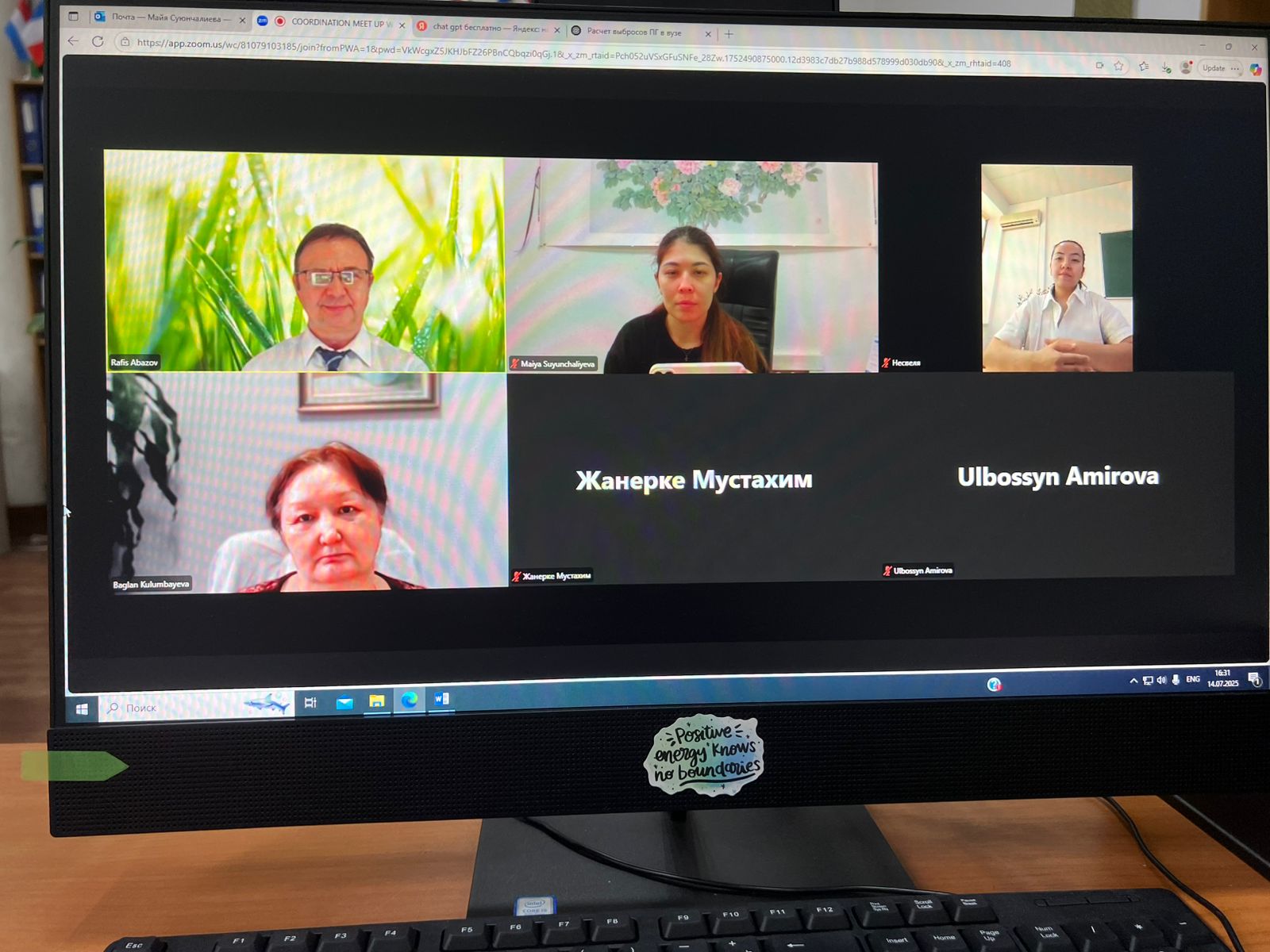
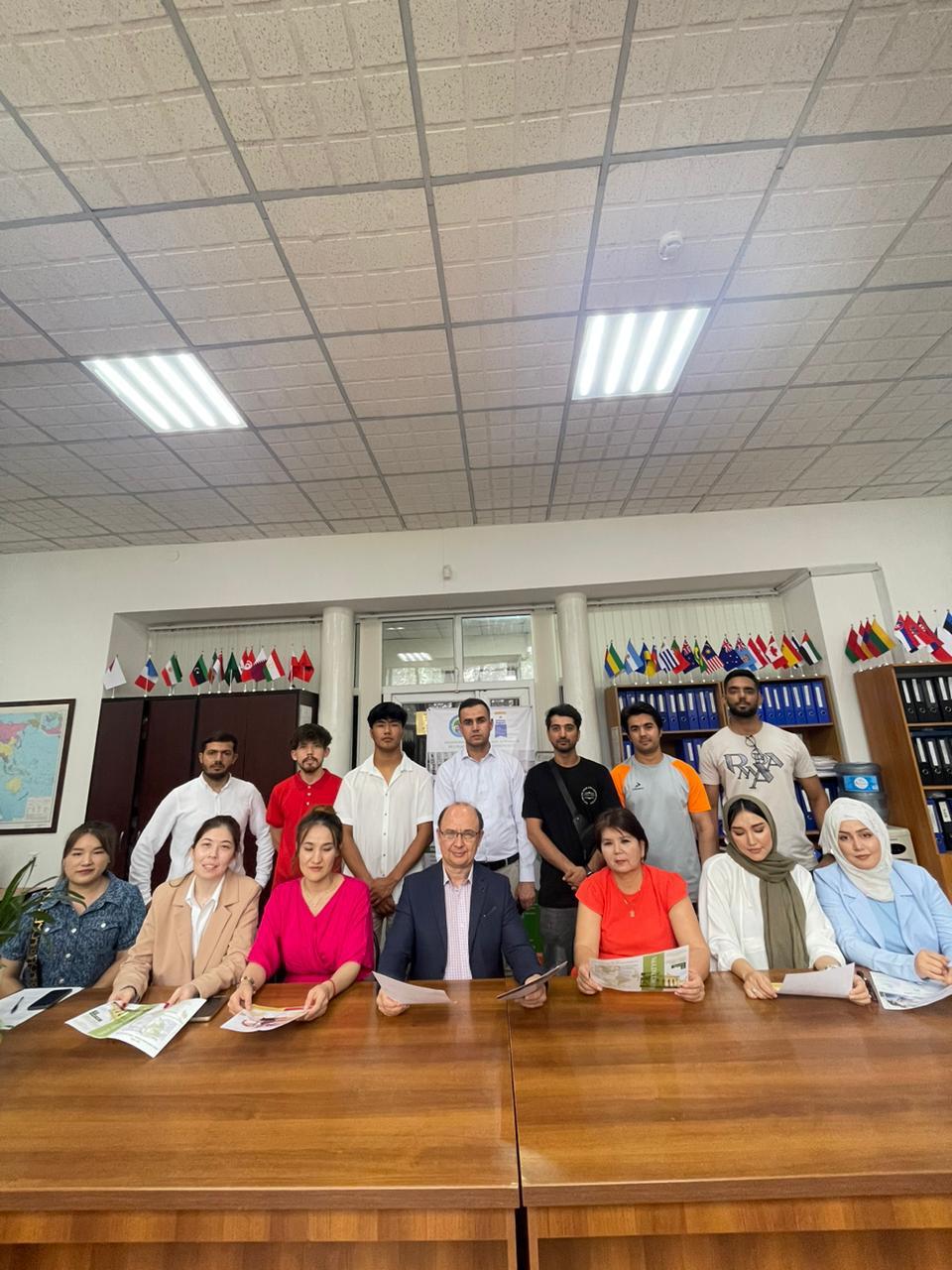
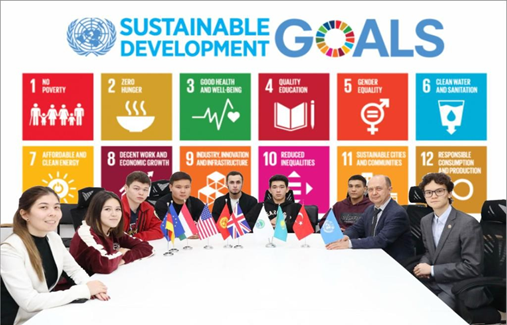
Green Campus is a program that mobilizes students and faculty of the Kazakh National Agrarian Research University (KazNARU) to work on plans and projects related to sustainable development. The program participants are also engaged in implementing the principles of the United Nations Academic Impact Program (UNAI) and sustainable development of the university campus.
Green Campus is KazNAIU's roadmap to promote the implementation of the Sustainable Development Goals (SDGs), to promote the ideas of green economy and global action program to combat climate change. We are making a difference today!
KazNARU's Climate Change Action Plan stipulates that every member of the community has a role to play in achieving the SDGs. Realization of Green Campus” concept is one of the ways to contribute to the creation of a sustainable campus of KazNAIU, through the introduction of innovative approaches in the development of healthier student life, designed to become a model for other universities in Kazakhstan in the development of their own ‘green campus’.
Projects.
Grow a tree; grow a flower!
KazNARU's green campus concept stipulates that every student and every faculty member can and should plant trees and flowers on and off campus every year! The university plans to plant additional flowers and trees to beautify its campus and to involve local communities and international companies and organizations in the greening process.
Reuse and recycle!
We would like to encourage all students and all faculty to recycle or reuse unwanted items, including plastic bottles, paper, electric batteries, old cell phones, furniture, equipment, and other items. Appropriate collection boxes will be placed throughout the campus at KazNAIU.
Walk, bike or ride an electric scooter!
We would like to encourage all students and all faculty to walk and/or bike to campus! KazNAIU plans to create safe and secure bike parking spaces and encourage everyone to do their part in reducing carbon emissions and implementing our climate action plan by adapting to healthier lifestyles and exercise!
Become a volunteer to lead the Sustainable Development Goals (SDGs)!
We would like to encourage all students and all faculty to participate as volunteers in the activities and campaigns of the “United Nations Academic Impact Program” (United Nations Academic Impact Program).United Nations Academic Impact Program (UNAI), as well as various other volunteer activities initiated by local NGOs, universities, international partners, UN agencies and various other stakeholders.
Reduce water consumption and drafts in windows!
We can work on efficient water and energy management and work on saving a lot of water and energy by taking care of our work environment by sending timely maintenance requests to make our space more comfortable and efficient.
Reduce your electricity consumption!
We would like to encourage everyone to turn off electric lights, equipment, and unplug electronics when not in use! This is especially important at night and during weekends and breaks! An important part of this is to promote and publicize the reduction of electricity use amongst loved ones friends, coworkers and the community!
Promote the reduction of plastic use and the use of reusable bottles!
We would like to encourage students and all faculty to use the filtered water stations on campus to refill their water bottles and containers, and to use reusable bottles as much as possible and to eliminate or increasingly use less disposable plastic bottles and utensils!
Development and self-development: SDG courses and trainings /Promote the principles and goals of sustainable development on the KazNAIU website, where SDG training guides can be posted regularly We can also use social media and calendar of events to learn about environmental and climate change research.
Promote healthy and sustainable habits and lifestyles!
Promoting the idea that students and faculty can commit to a “green week”: participating in greening activities, implementing climate action plans, and learning how to make changes to their lifestyles! “Green Campus” promotes the ideas that you should know what you eat and what you can do to help the university reduce its environmental impact!
Bring a friend: spread the word about the “green campus” project! We are developing a “green campus” and a “climate change plan” by organizing events and promoting sustainability initiatives on campus. We would like to encourage publicizing events through posters, PowerPoint presentations, social media and flyers about the green campus project.
GREEN STUDLIFE 2025 ECO FESTIVAL
Forest Resources are an Integral Part of a Green Economy
Taza Kazakhstan, February 26, 2025
"Green Campus" program for sustainable development and environmental protection
Green Office Annual Action Plan 2024-2025
Action Plan for "GREEN CAMPUS" Program, September 2024 - May 2025
Green Campus UNAI and SDG plan
Report on GREEN CAMPUS Program Implementation, September 2023 - June 2024
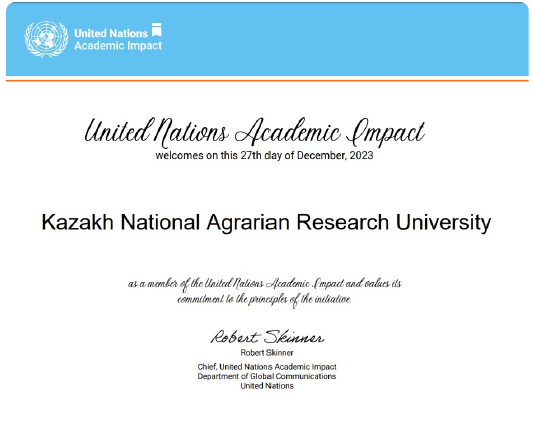
United Nations Academic Impact (UNAI) is an initiative that engages higher education institutions with the United Nations (UN) in supporting and contributing to the realization of the Organization's goals and principles, including the promotion and protection of human rights, access to education, sustainable development goals and conflict resolution on our planet.
The UNAI program was officially launched by the UN Secretary-General on November 18, 2010 to bring together the global academic communities, especially the world's universities and higher education institutions, with the United Nations (UN) to promote the goals and mandate of the UN through action and research within a shared culture of intellectual social responsibility. UNAI partnered with the Global Education First Initiative (GEFI) proposed by the UN Secretary General in 2012 with the following main objectives: achieving universal primary education, improving the quality of education and nurturing global citizenship.
Today UNAI can be proud to have more than 950 academic institutions in more than 100 countries and about 40 members of academic networks as members. Kazakh National Agrarian Research University” (KazNARU) has been a member of UNAI since 2016.
UNAI's work aims to sensitize ministers of education, university rectors and other academic experts to the critical importance of fostering global citizenship at the higher education level in order to achieve global sustainable peace and development. in the 21st century.
The UNAI Center at KazNARU works to promote partnerships with UN agencies and universities around the world in the following areas:
- developing partnerships between the United Nations and the global academic community
- mobilizing students from UNAI member universities and outstanding scholars from various academic institutions through their active participation in the United Nations process as well as in the implementation of the “green campus” programme;
- participation in grant programs and initiatives to promote international peace and security and conflict resolution;
- intercultural dialog and reconciliation with the world's growing intolerance and violent extremism;
- work with the “International Institute for Green and Sustainable Development” at KazNARU to mobilize a global network of member universities and academic institutions through their active participation in the post-2030 Development Agenda implementation and evaluation process.
- Promote global citizenship education,
a) by developing and providing internationally applicable standardized curricula and pedagogies for global citizenship education to be used in primary, secondary and higher education institutions in close cooperation with UNESCO and GEFI.
b) by encouraging and supporting international youth groups such as ASPIRE UNAI (Student Action for Promoting Innovation and Reform through Education) and YAG GEFI (Youth Advocacy Group) to accelerate and launch joint projects at regional or global level for primary, secondary and tertiary students to build global citizenship.
through education) and YAG GEFI (Youth Advocacy Group) to accelerate and launch joint projects regionally or globally for primary, secondary and tertiary students to build global citizenship.
c) by exploring the possibility of establishing an International Center to pursue the two objectives of global citizenship education described above.
English Translation
Signing of a Memorandum with "SDG Alliance Kazakhstan"
November 13, 2025
On November 13, 2025, the Kazakh National Agrarian Research University (KazNARU), together with the Institute of Green and Sustainable Development, organized a meeting with SDG Alliance Kazakhstan. During the meeting, a memorandum was signed with the alliance.
"SDG Alliance Kazakhstan" is a platform aimed at promoting the Sustainable Development Goals (SDGs) in Kazakhstan and beyond. The website meets key modern civil society standards: accessibility (WCAG 2.1 AA), privacy protection (GDPR), transparency (public rules), moderation, impact documentation (metrics and reports), and readiness for integrations.
The meeting provided an opportunity to learn more about the alliance’s capabilities, competitions, and other initiatives.
Mr. Vadim Tsurikov, Director of SDG Alliance Kazakhstan, shared essential insights and highlighted three important areas:
-
What the Alliance is and why participation is important;
-
The importance of creating your first startup and participating in competitions and olympiads;
-
The advantages and opportunities that open up in the future.
The event was organized by the Institute of Green and Sustainable Development to foster startup development within the university and enhance participation in international rankings.
Venue: International Office, Room 36
Entrepreneurship Development Institute in India
17-31 March 2025
From March 17-31, 2025, leading specialist of the Institute of Green and Sustainable Development Maiya Suyunchaliyeva and senior lecturer of KazNARU Nurgozhaev Azamat participated in ITEC training courses from the Embassy of India in Kazakhstan. Educational courses were held in Ahmedabad, India at the Entrepreneurship development institute in India. The course was attended by representatives of business communities, ministries and private companies from different countries: regions of Africa, Sri Lanka, Colombia, Vietnam, Laos, Republic of Tajikistan.
The Indian Technical and Economic Cooperation Program, abbreviated as ITEC, is the leading capacity building platform of the Ministry of External Affairs, Government of India. Established in 1964, ITEC is one of the oldest institutional mechanisms for international capacity building, having trained over 200,000 officials from 160+ countries in both civil and defense sectors.
Today, ITEC uses a variety of different methods to fulfill its mandate of capacity building.
During the training, issues related to the implementation of entrepreneurship in different regions of India were discussed and participants shared their experiences from around the world. Staff from the Kazakh National Agrarian Research University also made a presentation on entrepreneurship development in the Republic of Kazakhstan.
Maiya Suyunchalieva and Azamat Nurgozhaev shared their experience in the development of startup projects in Kazakhstan, talked about new trends and the program “Digital Kazakhstan”
During the internship, Maiya also gave an interview about the new opportunities of the ITEC program and spoke about the Kazakh National Agrarian Research University.
Additional information
These courses allowed establishing international relations, to present the university in the international arena, to invite experts to participate in the International Summer School 2025 and for the MBA/EMBA program in KazNARU.
Venue: Ahmedabad, India
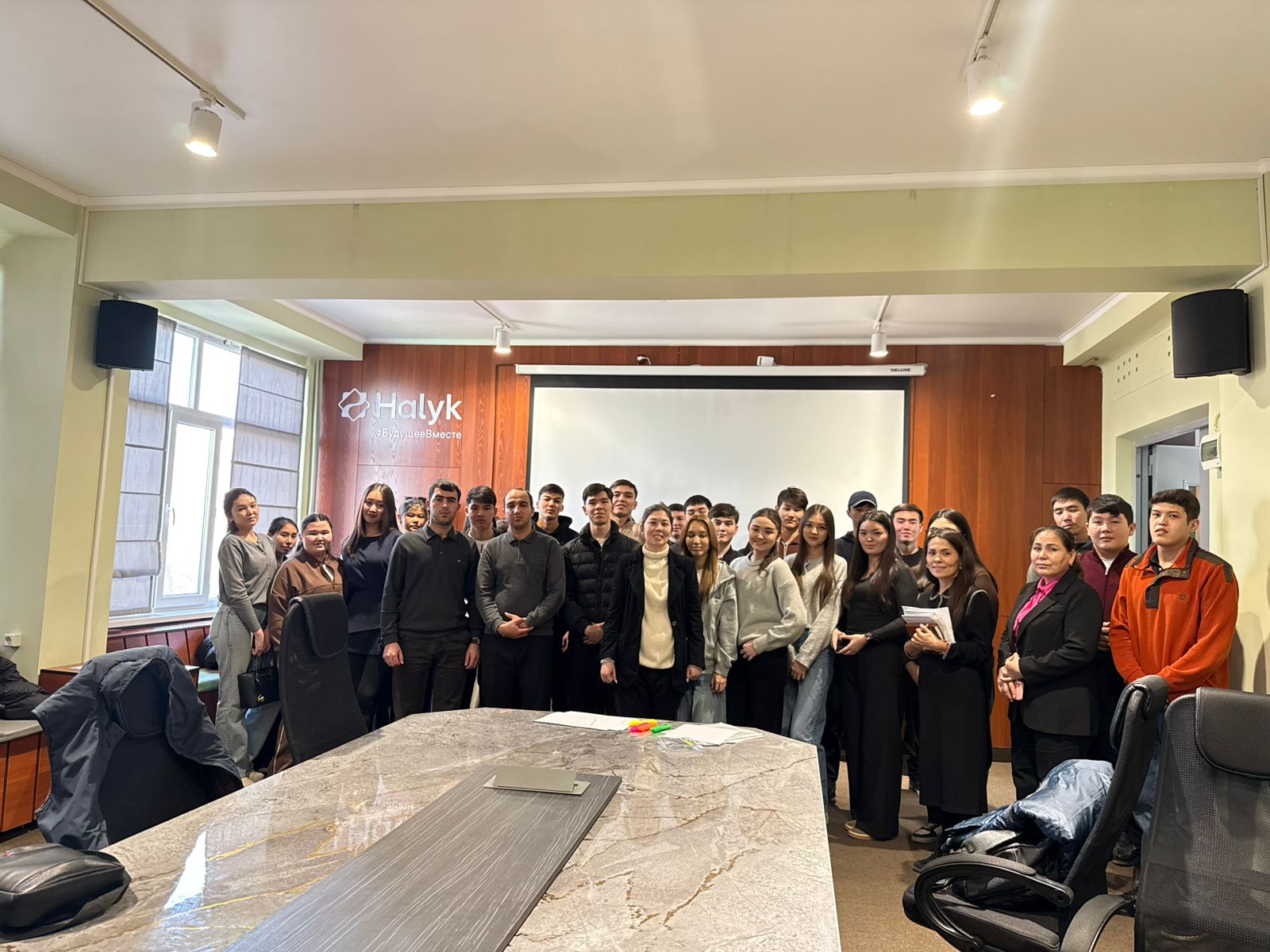
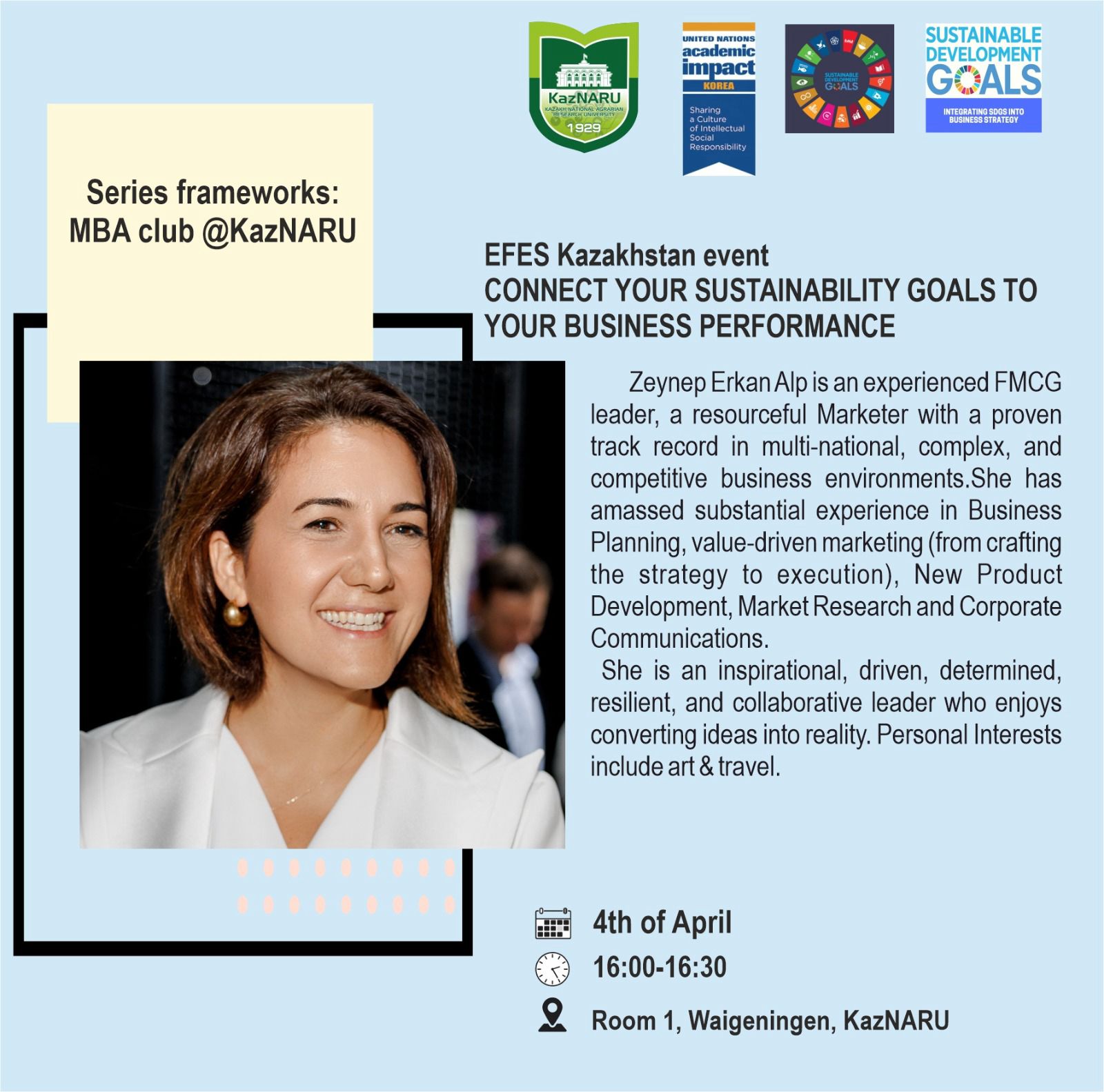
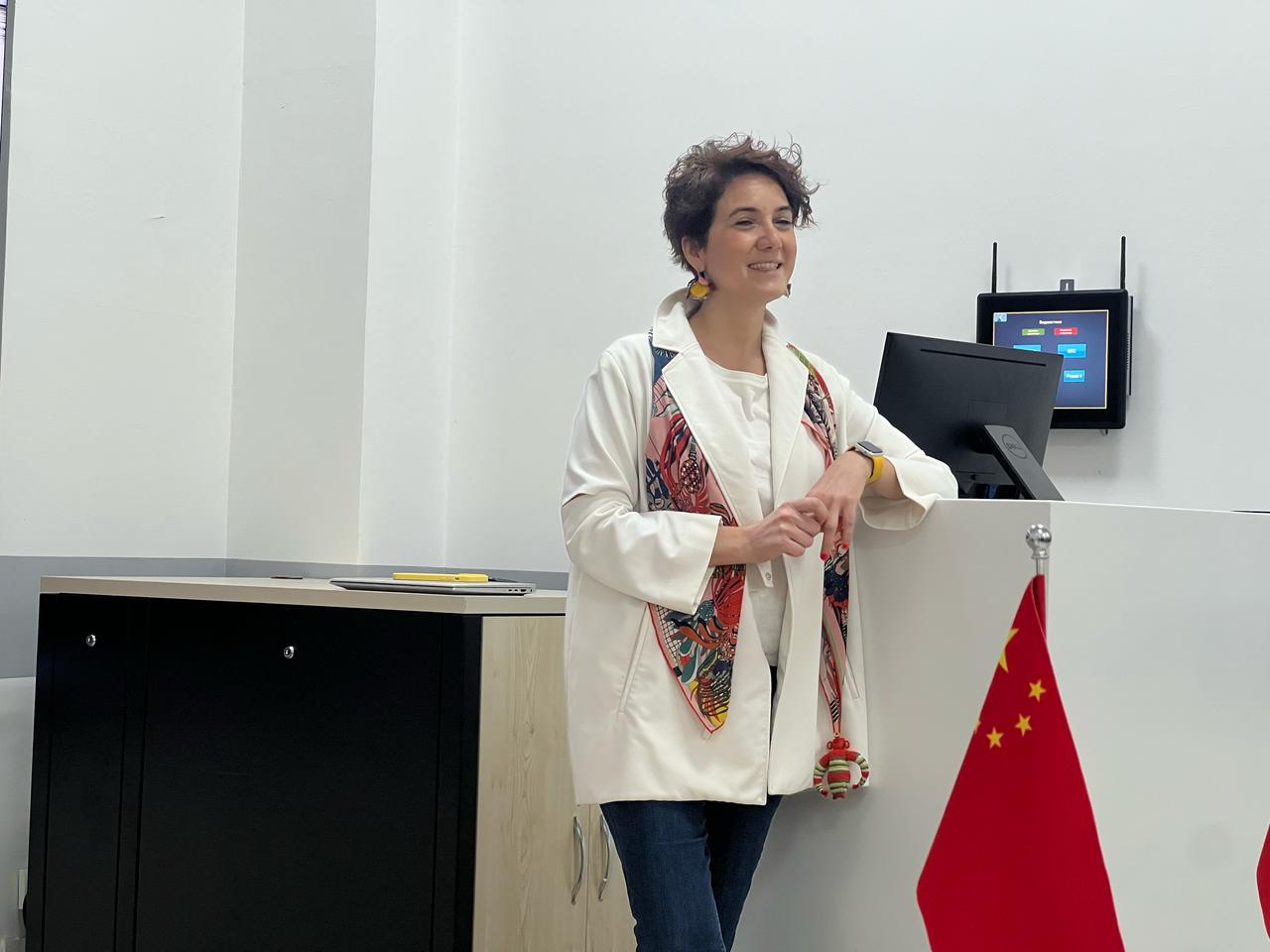
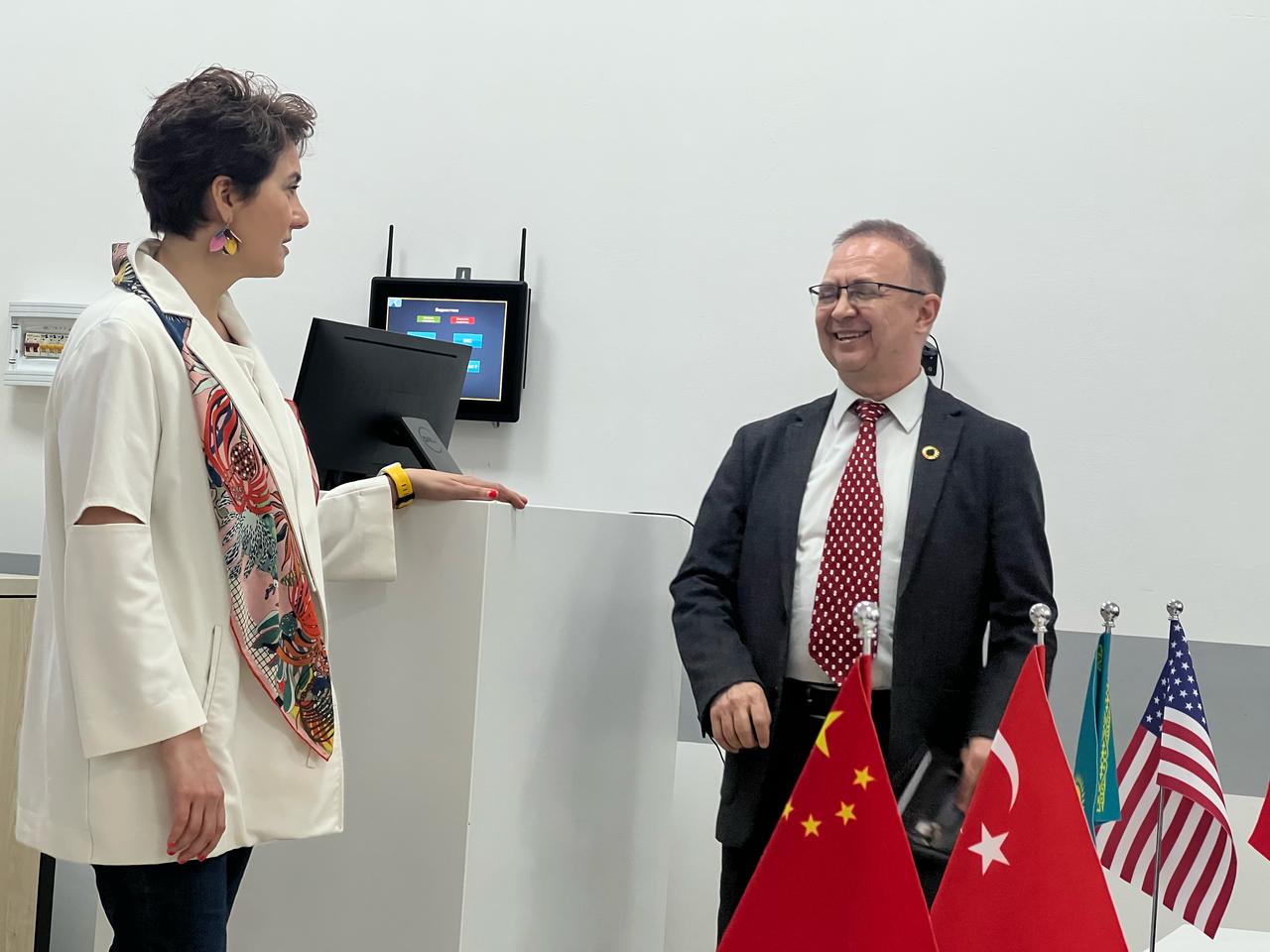
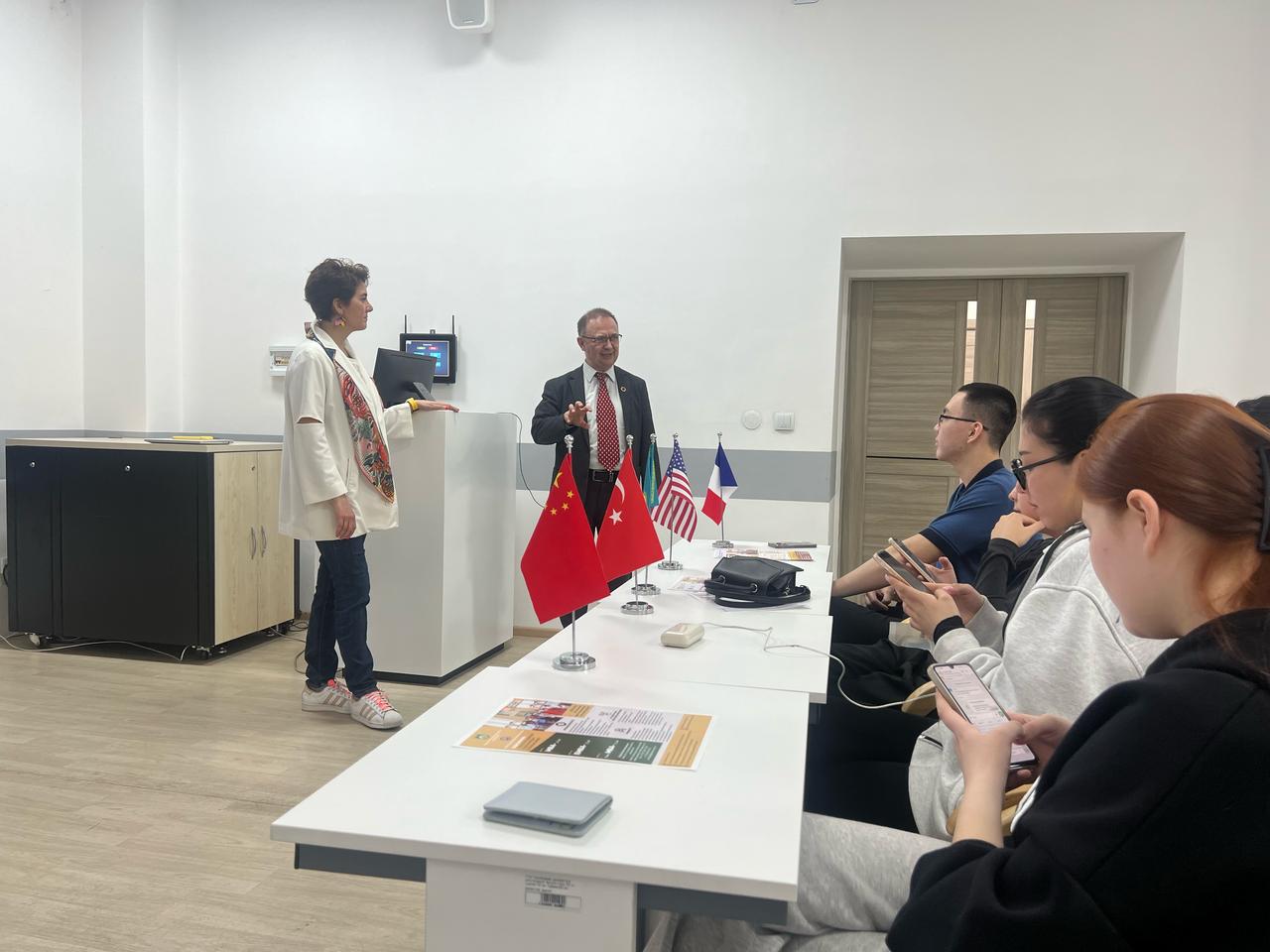
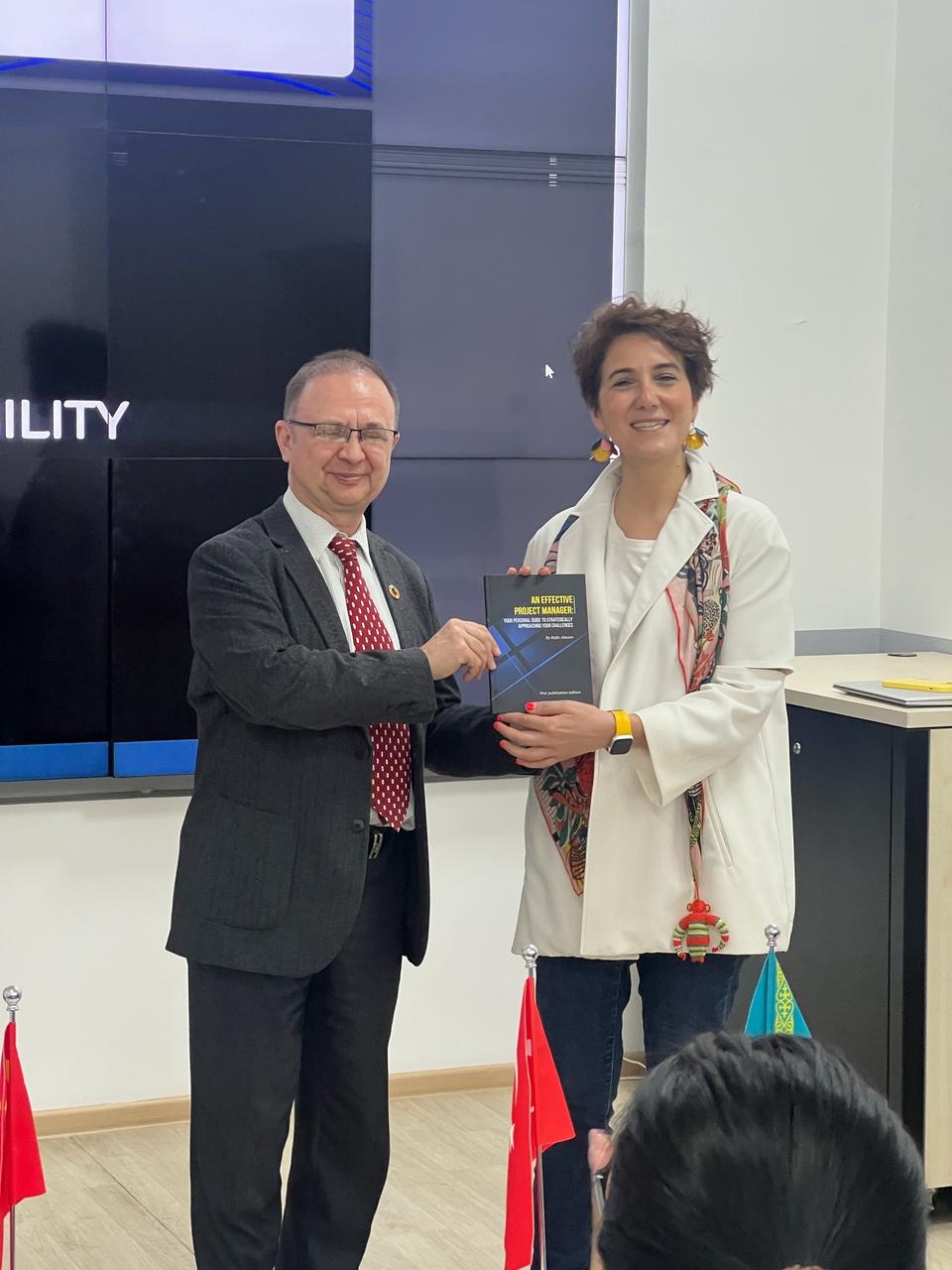
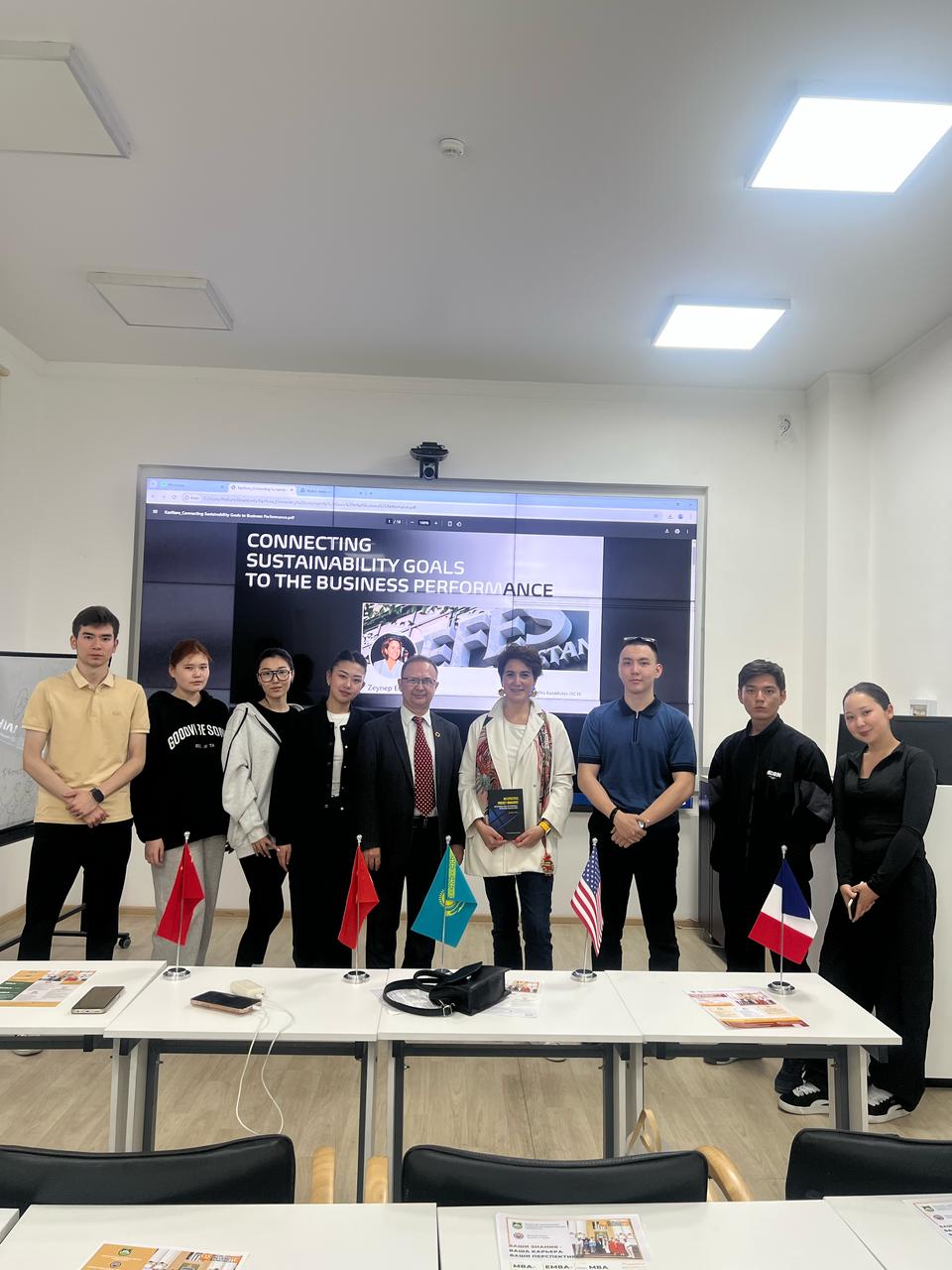
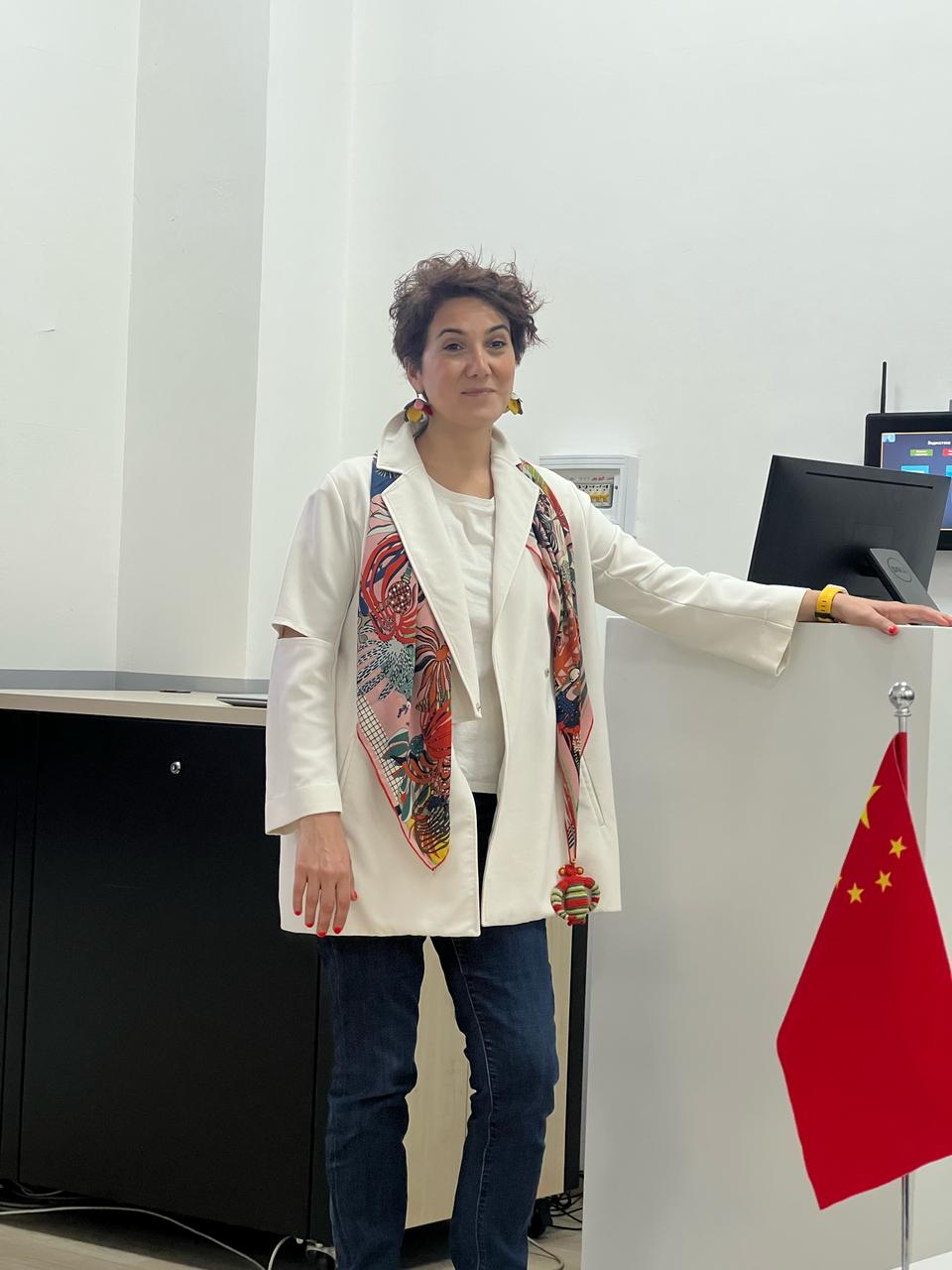
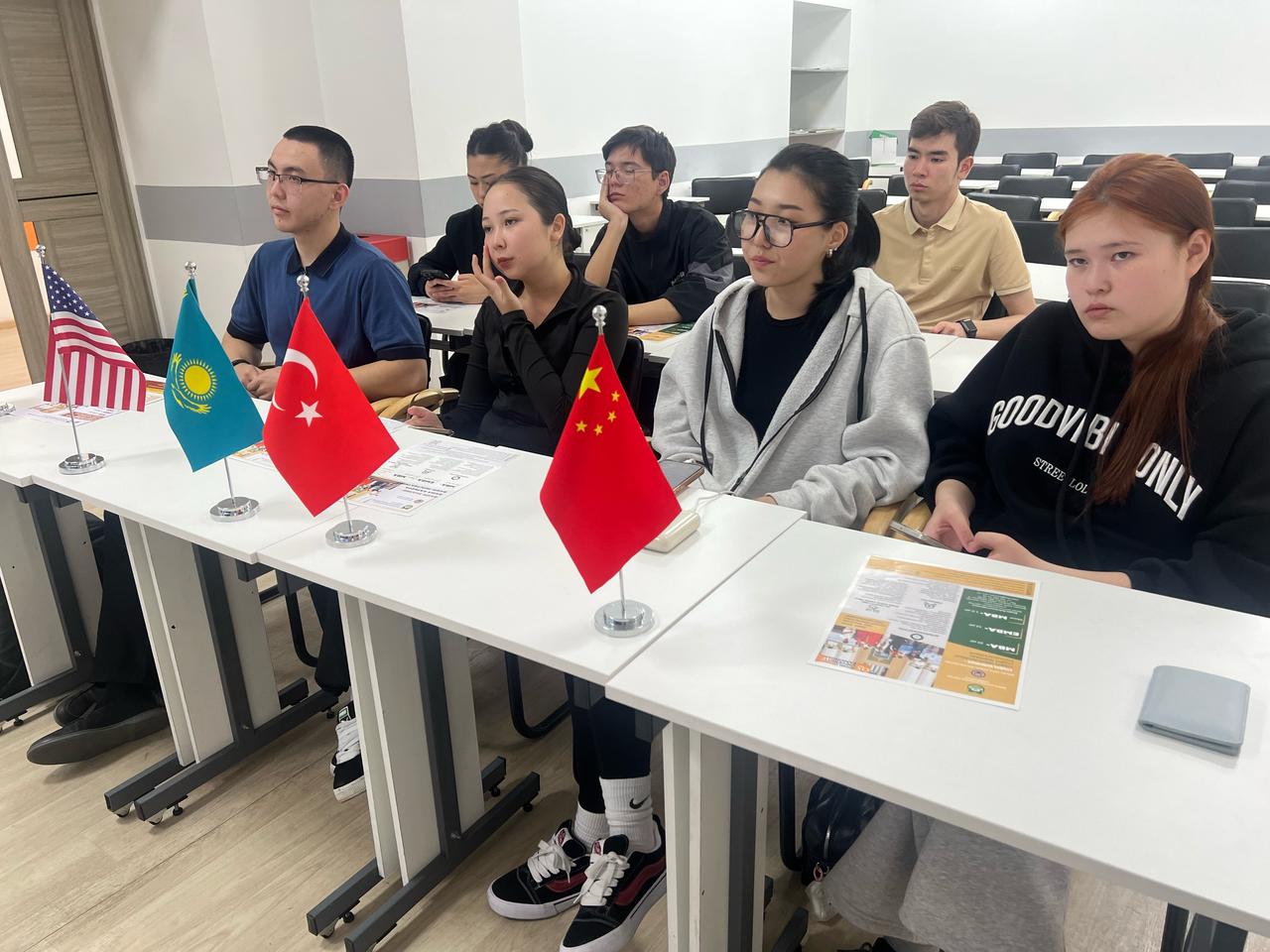
🌍 Today, we were honored to welcome the director of EFES company for an engaging guest lecture on Environmental, Social, and Governance (ESG) principles.
Time : 16.00
Place: one Waigeningen
The session illuminated how aligning sustainability goals with business performance is not just forward-thinking but essential in today’s dynamic world.
The director highlighted how focusing on environmental responsibility leads to reduced costs through energy efficiency and waste management, while enhancing customer loyalty among environmentally-conscious consumers. 🌱 On the social side, supporting communities and embracing workplace diversity cultivates stronger, more cohesive teams. 💡 Governance, too, plays a vital role in building trust through transparency and accountability—making businesses more attractive to ethical investors.
This transformative discussion proved that sustainability is a catalyst for innovation, operational excellence, and long-term profitability. It’s a powerful reminder that when we care for the planet, the rewards extend to the business world as well. 🌟
A heartfelt thank you to EFES for inspiring us to integrate purpose with performance and drive meaningful change for a greener future! 💚
#Sustainability #ESGPrinciples #BusinessSuccess #GreenFuture #EFES #GuestLecture #Innovation
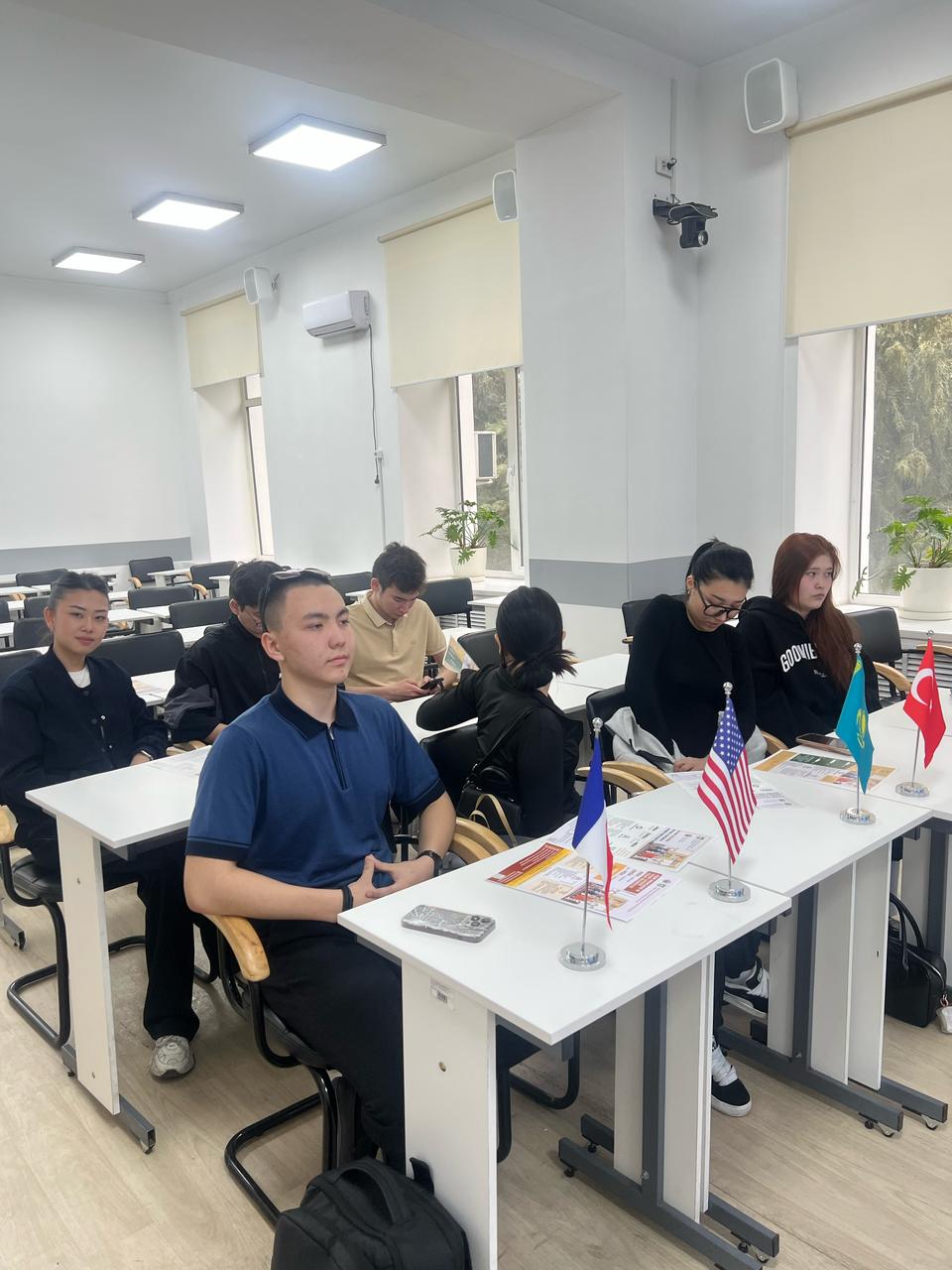

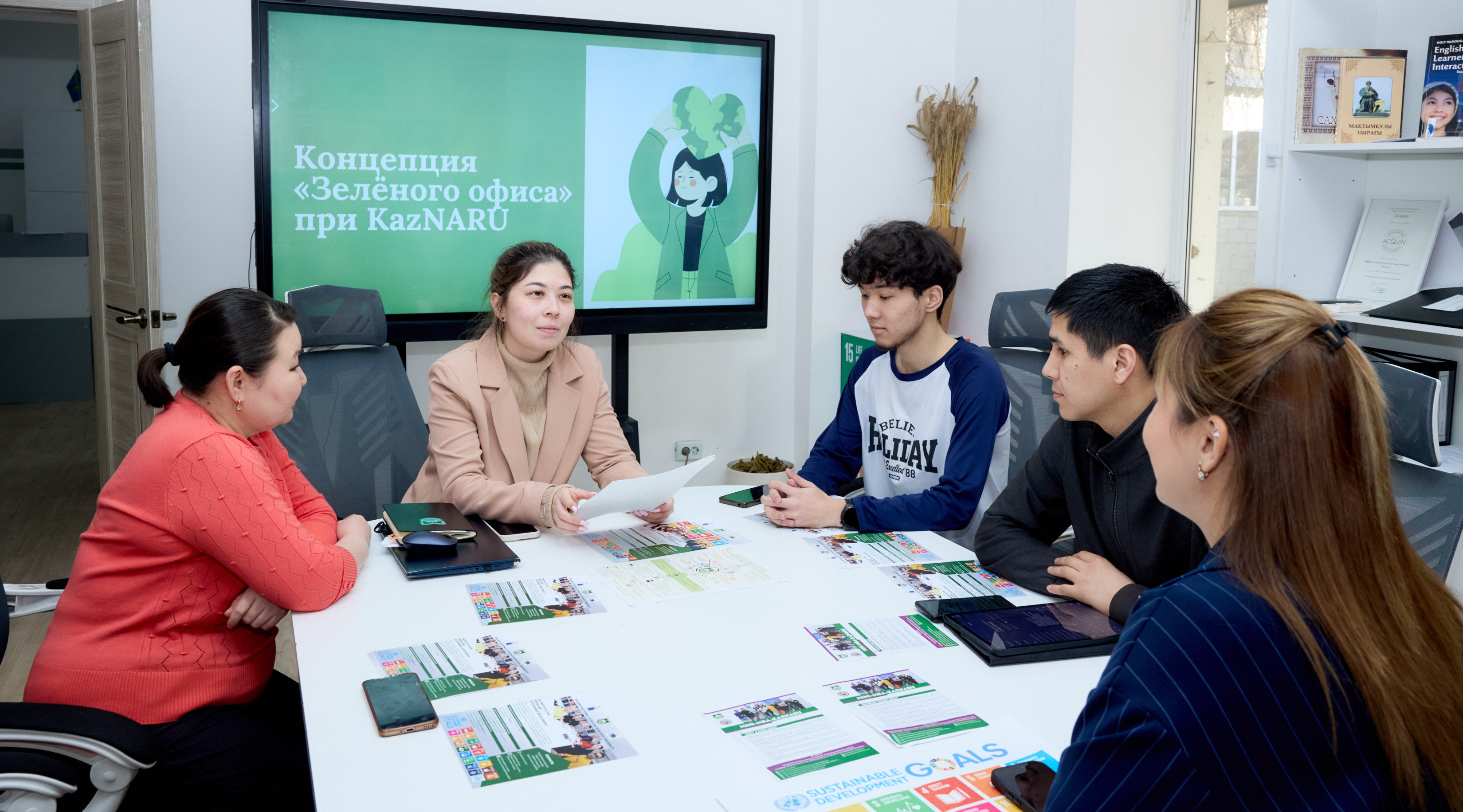
The concept of development of the “Green Office” project at KazNARU is aimed at creating a sustainable and environmentally responsible environment on the territory of the university. Here are 10 key points-directions on which the projects of green office in the Kazakh National Agrarian Historical University are realized.
1. *Improvement of ecological situation on the territory of the university:
The project aims to reduce the carbon footprint and improve the environmental situation in the academic and administrative buildings. This includes creating new green areas, planting trees and flowers, and using sustainable technologies.
2. *Integrating sustainable practices into daily operations:
KazNARU strives to integrate sustainable practices into all aspects of its operations. This includes energy conservation, efficient use of resources and waste reduction.
3. *Fostering a responsible attitude towards nature among students and staff*:
The program aims to foster a culture of respect for the environment among all members of the university community. Training seminars and workshops on environmental topics are organized.
4. *Waste minimization*:
- *Separate waste collection*: Installing containers for separate waste collection (plastic, paper, glass, organic waste) and training students and staff on proper waste sorting.
- *Reducing the use of single-use plastic items*: Using reusable utensils, bottles, and food containers, and banning the use of plastic cups and bags.
- *Electronics recycling*: Installing special boxes for recycling old electronics and batteries, and conducting campaigns to collect and recycle unwanted electronics.
5. *Energy saving and greening*:
- *Transition to energy-efficient lighting*: Using LED lights to reduce electricity consumption.
- *Installing motion sensors*: Automatically turning off lights in empty rooms to save energy.
- *Placement of indoor plants*: Installing plants in offices and classrooms to improve air quality.
6. *Reducing energy and water consumption*:
- *Water-saving technologies*: Installing water-saving faucets and nozzles, monitoring water consumption, and conducting awareness campaigns on the importance of water conservation.
- *Reusable Bottles and Thermal Mugs*: Encouraging the use of reusable bottles and thermal mugs instead of disposable plastic cups.
7. *Training and information campaigns*:
- Holding lectures and seminars on ecology, sustainable development and green technologies.
- Distribution of informational materials (posters, booklets, e-newsletters).
- Creation of a Green Office web page with news, achievements and plans.
8. *Responsibility and motivation*:
- *Rewards and Recognition*: Introduction of awards for units that actively implement environmental initiatives.
- *Monitoring and Reporting*: Regular monitoring and reporting on environmental standards.
- *Interaction with partner organizations*: Sharing best practices and collaboration with partners.
9. *Community Involvement and Volunteer Programs*:
- Engaging students and staff in volunteer programs and environmental initiatives.
- Host events to raise environmental awareness and participate in environmental improvement projects.
10. *Future Initiatives:
- Introducing courses on sustainable development into curricula.
- Inviting experts to conduct master classes and trainings.
- Establishment of student environmental clubs for active participation in environmental projects.
These points represent the basis of the concept of “Green Office” at KazNAIU, aimed at creating a sustainable and environmentally responsible university community.


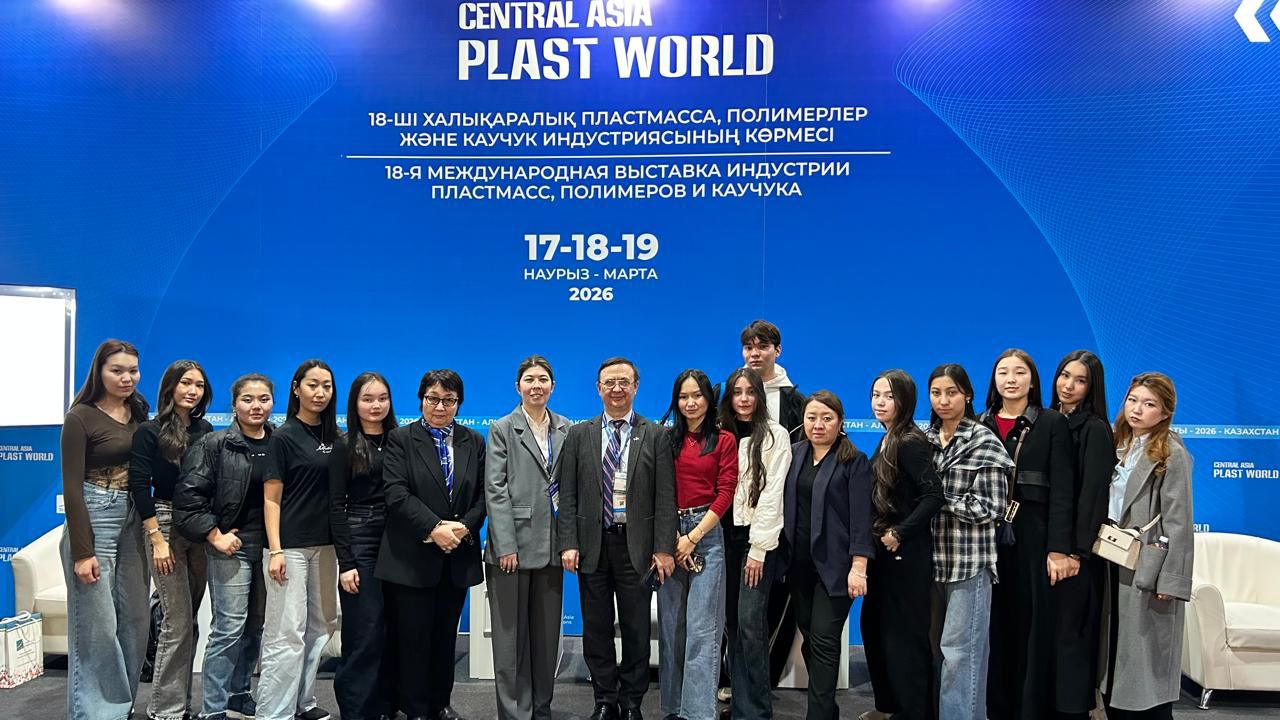
August 25, 2025 | Press Release: Leaders of Smart Plastic Zone Shared Their Experience
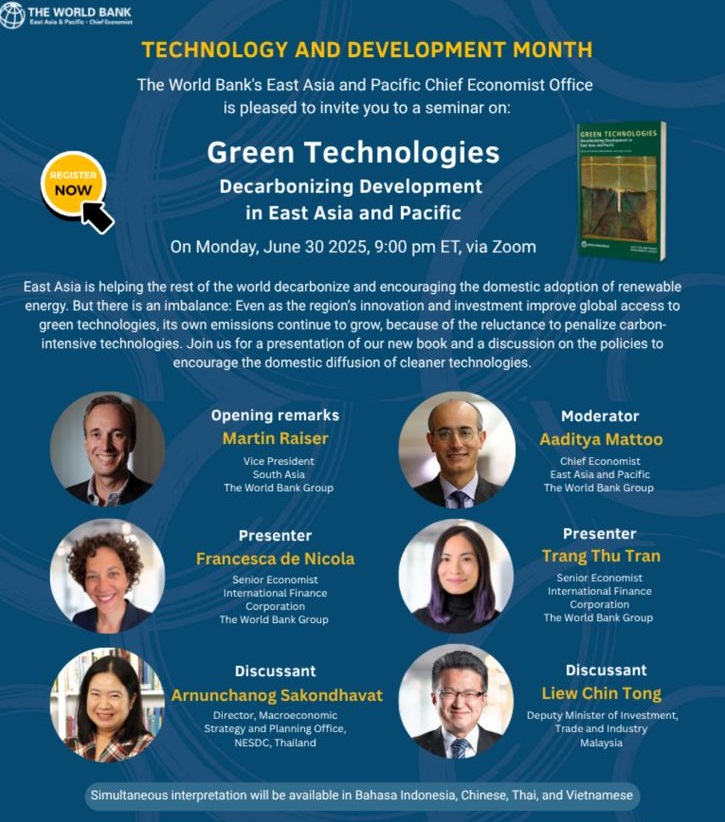
June 17–20, 2025 | The 9th Steering Committee Meeting
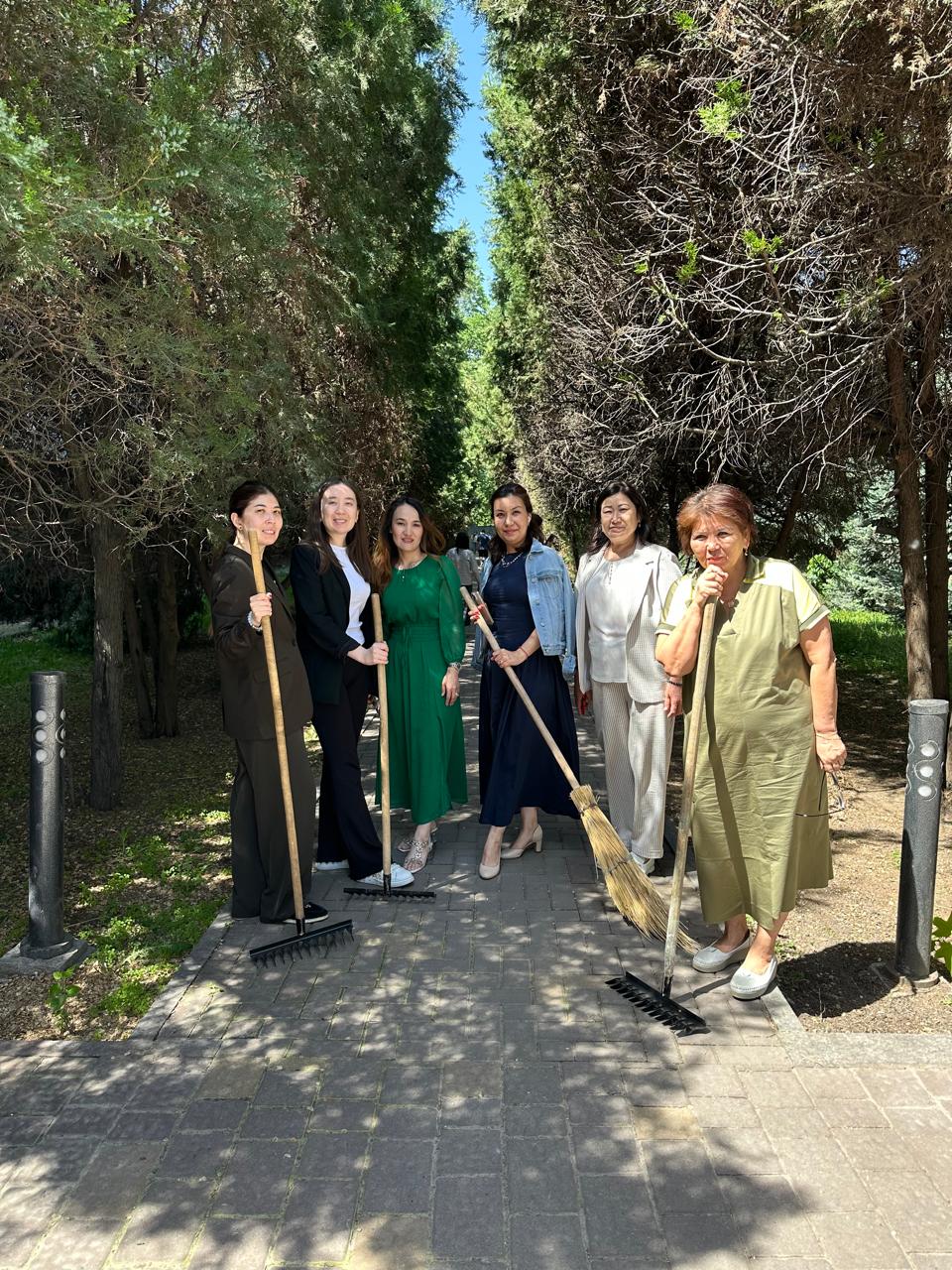
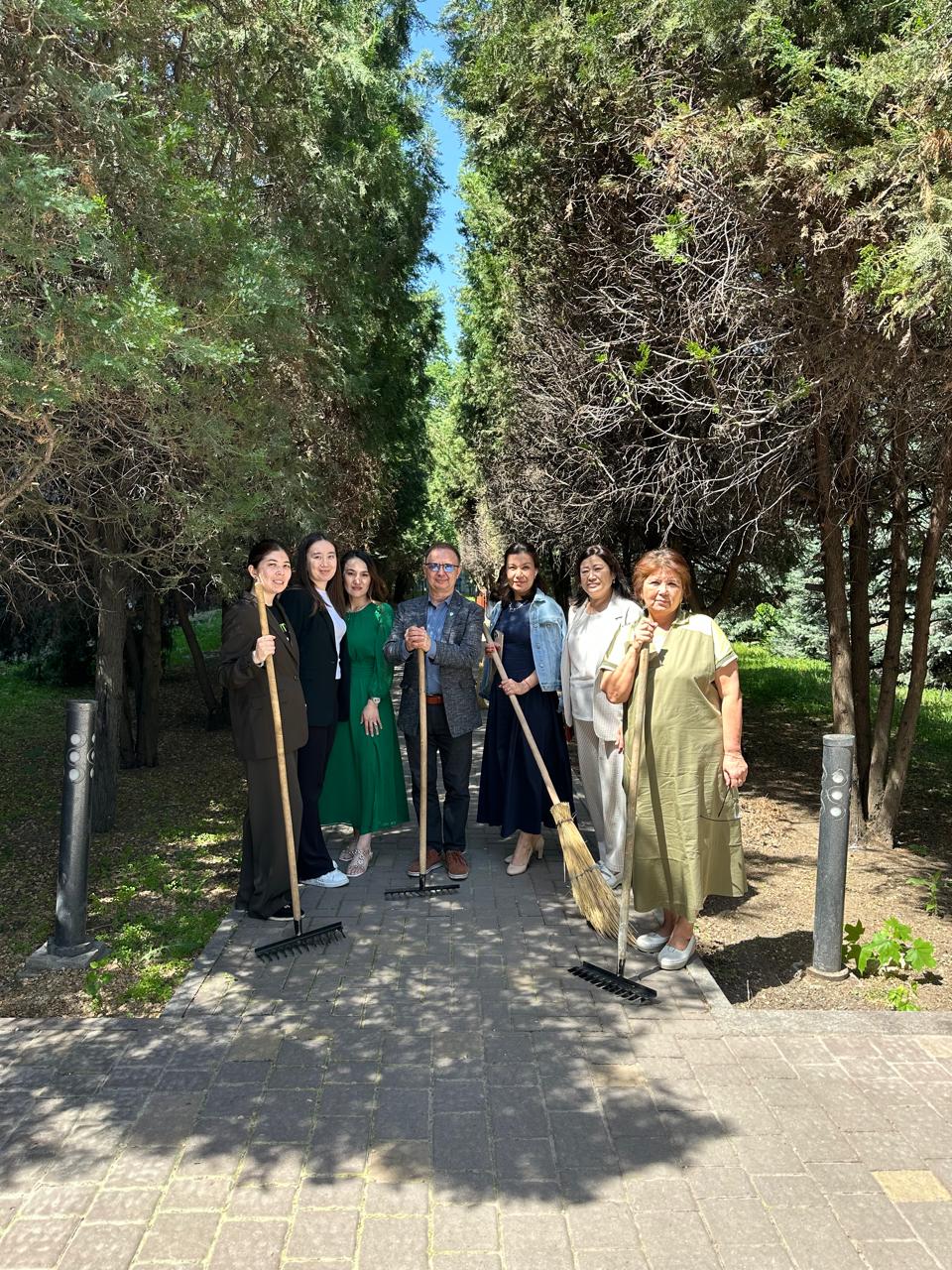
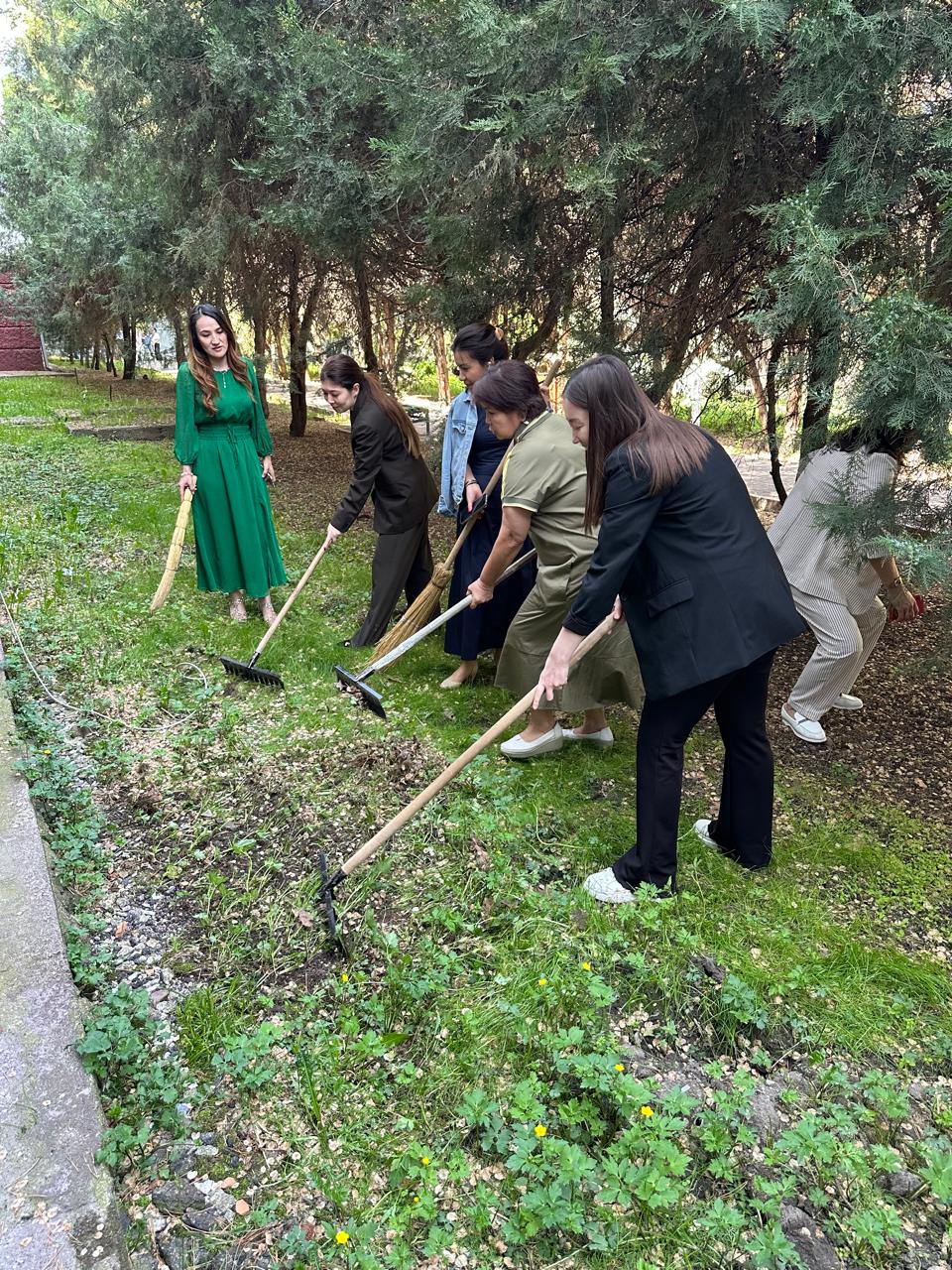
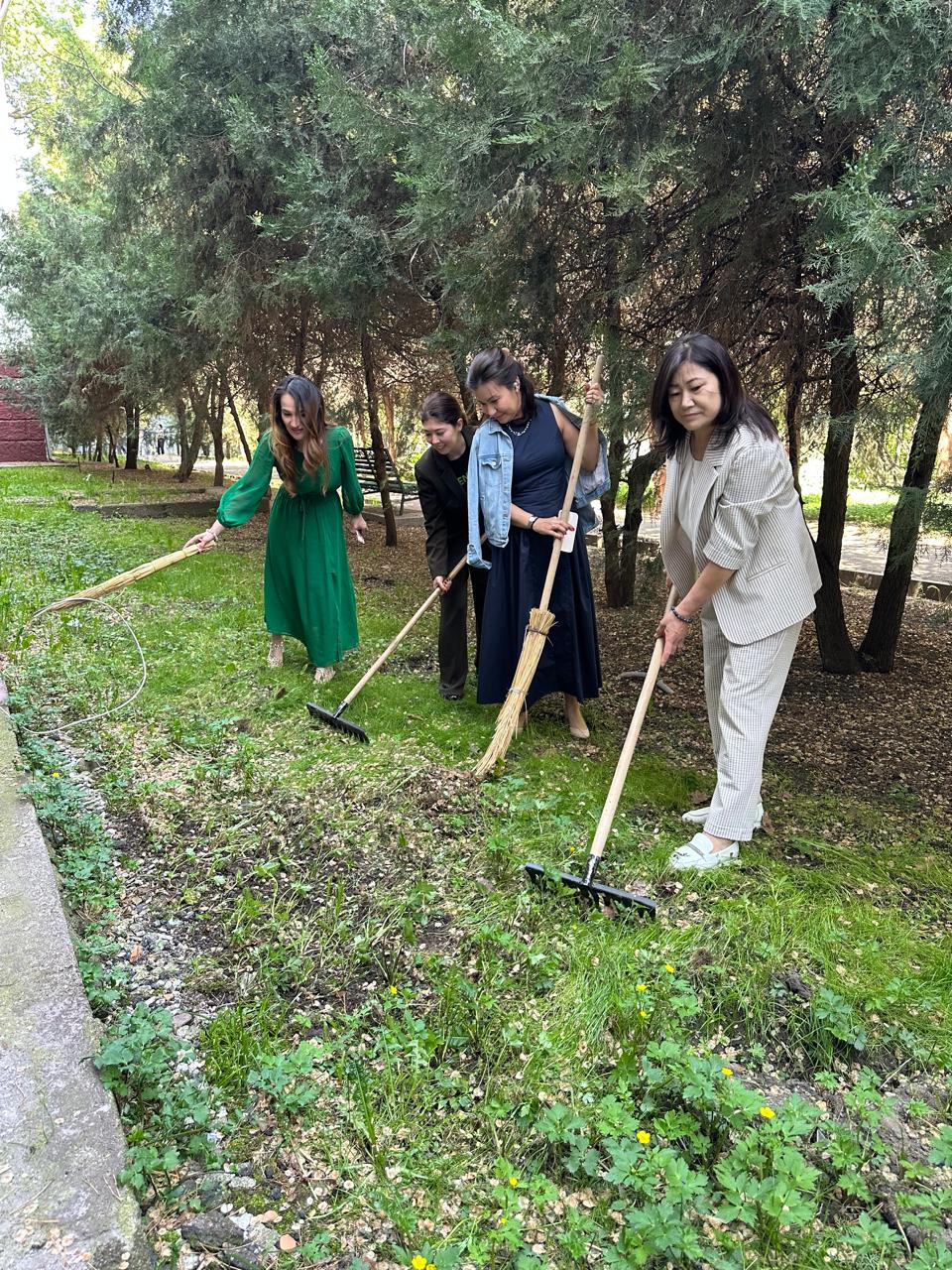
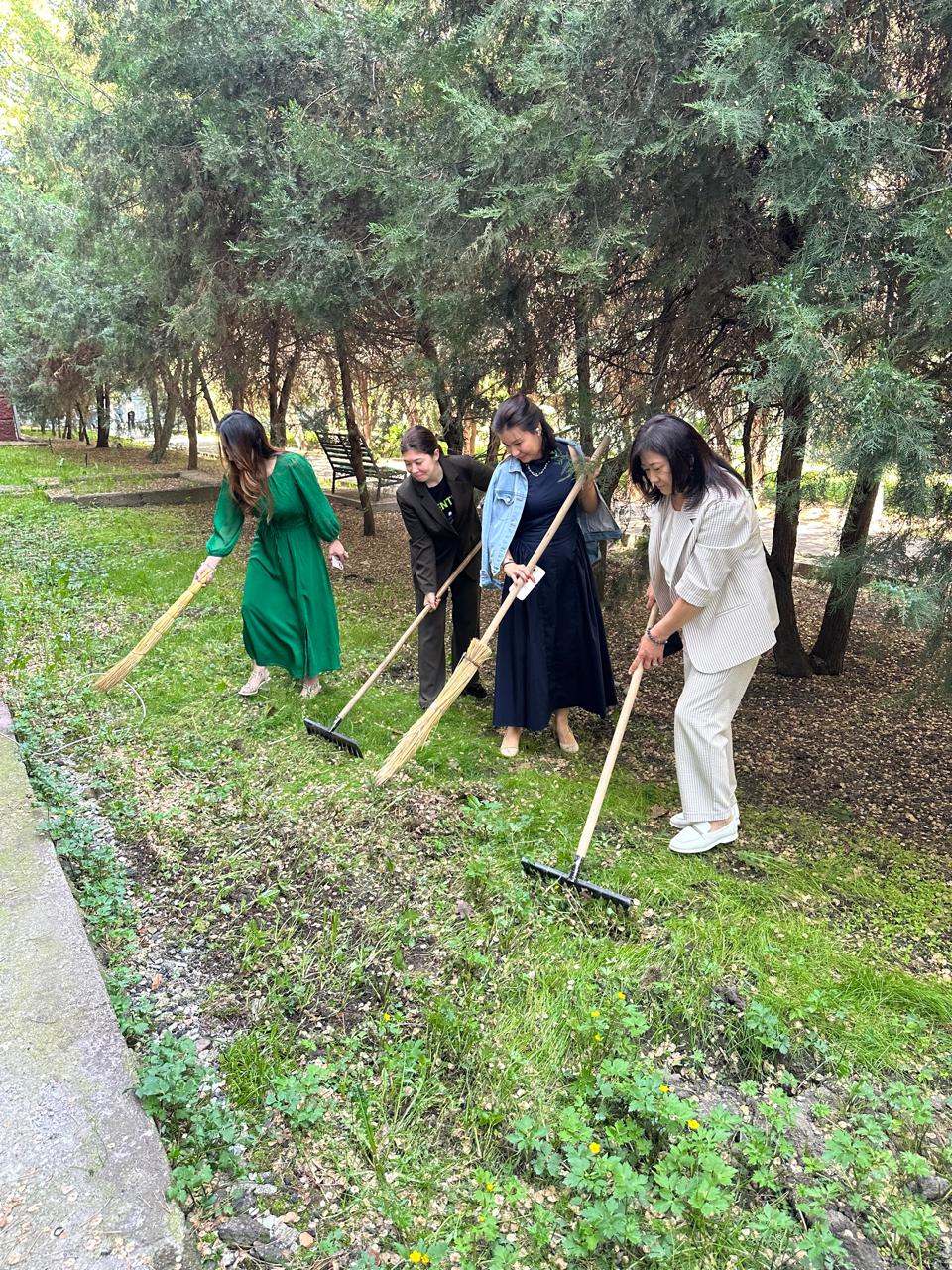
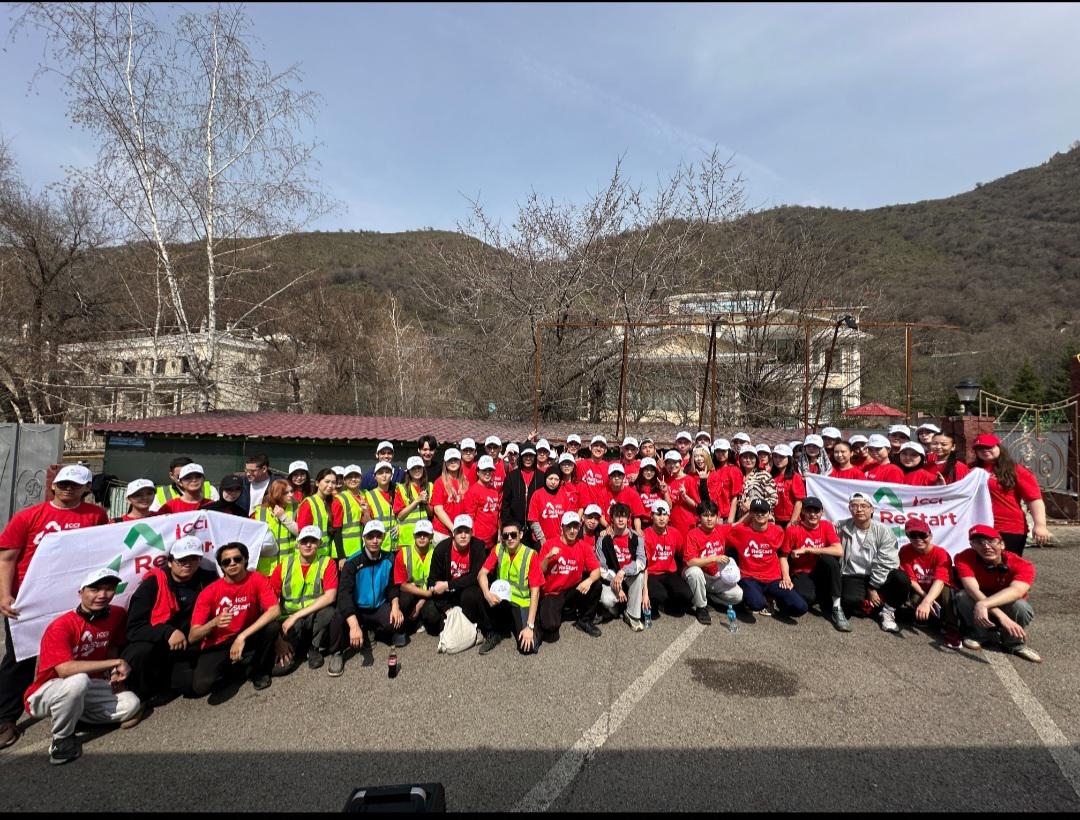
April, 2025 | The KazNARU team took part in a cleanup day ahead of Victory Day.
April 25, 2025 | Demo Day Workshop How to present your Startup: From Idea to Impact
May 5, 2025 | Workshop of publishing in Scopus-indexed journals
April 9, 2025 | Virtual Event: Strengthening Information Integrity in the Humanitarian Context
17-31 March, 2025 | Entrepreneurship Development Institute in India
KazNARU & Green Urban Association: Pioneering Ecological Resiliency and Green Innovation
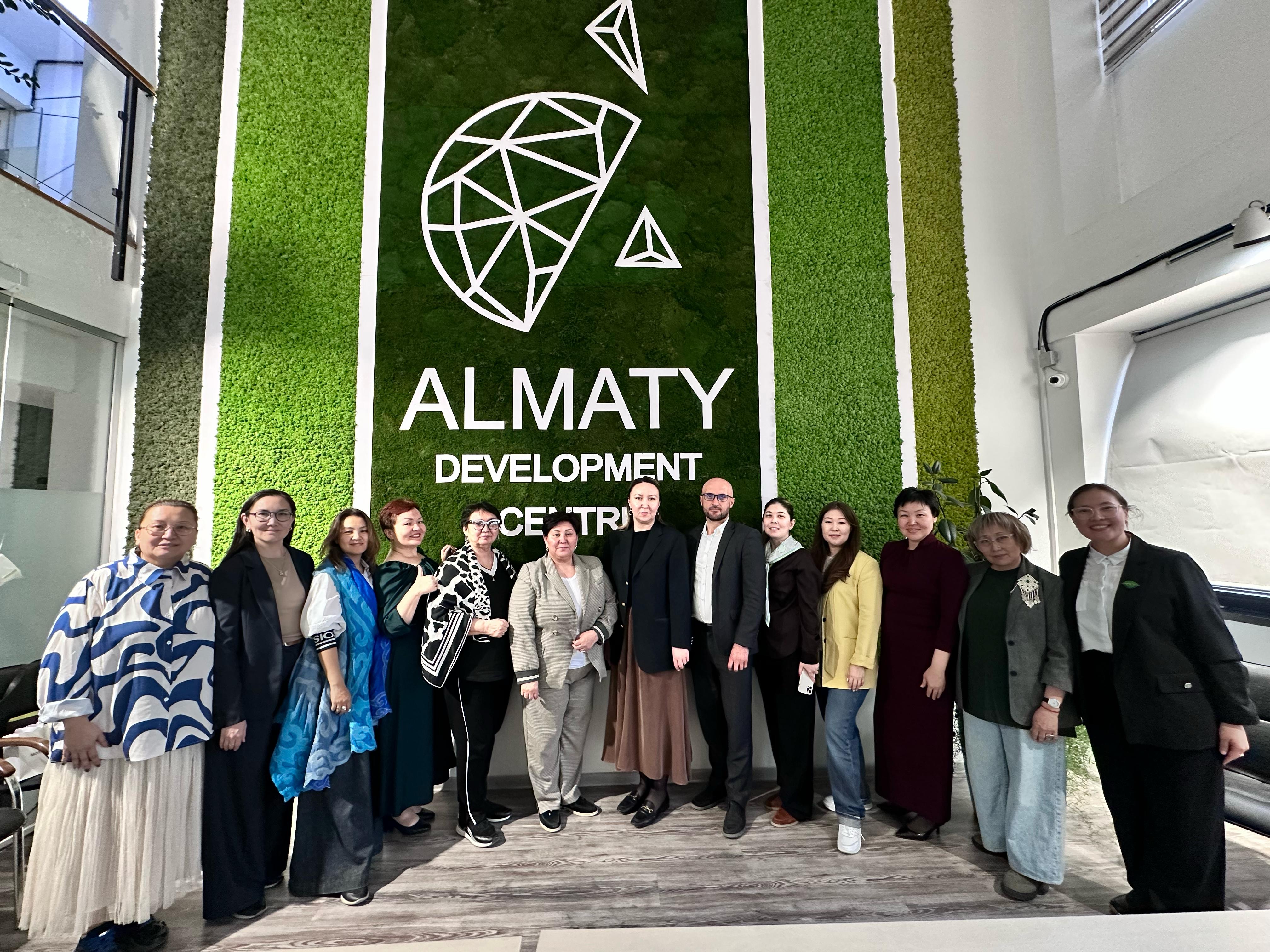
The strategic partnership between the Kazakh National Agrarian Research University (KazNARU) and the "Green Urban" Association of Legal Entities represents a landmark commitment to sustainability in Kazakhstan. This comprehensive collaboration envisions and operationalizes state-of-the-art educational, research, and technical exchange frameworks. Guided by the mutual desire to strengthen regional ecosystem defense mechanisms, the joint initiatives focus on translating advanced laboratory outcomes into impactful socio-ecological assets.
Through this active alliance, KazNARU directly addresses the international criteria for Water (WR), Waste (WS), and Education and Research (ED), establishing a sustainable blueprint for agrarian universities across Central Asia.
1. Advanced Hydro-Conservation & Precision Water Resource Management
Focusing heavily on the critical priority area of "Water Resources and Water Use," KazNARU and Green Urban are co-engineering resilient solutions for Almaty and rural agrarian regions. This collaborative pillar bridges advanced university hydraulics modeling with field-level deployments to tackle Central Asia's worsening water scarcity. Key initiatives include the integration of satellitemonitored precision irrigation networks, sub-surface drip technologies, and automated evaporation-control systems within the university's experimental fields. By updating local water delivery infrastructure, the alliance minimizes aquifer depletion and sets a regional standard for smart hydro-management.
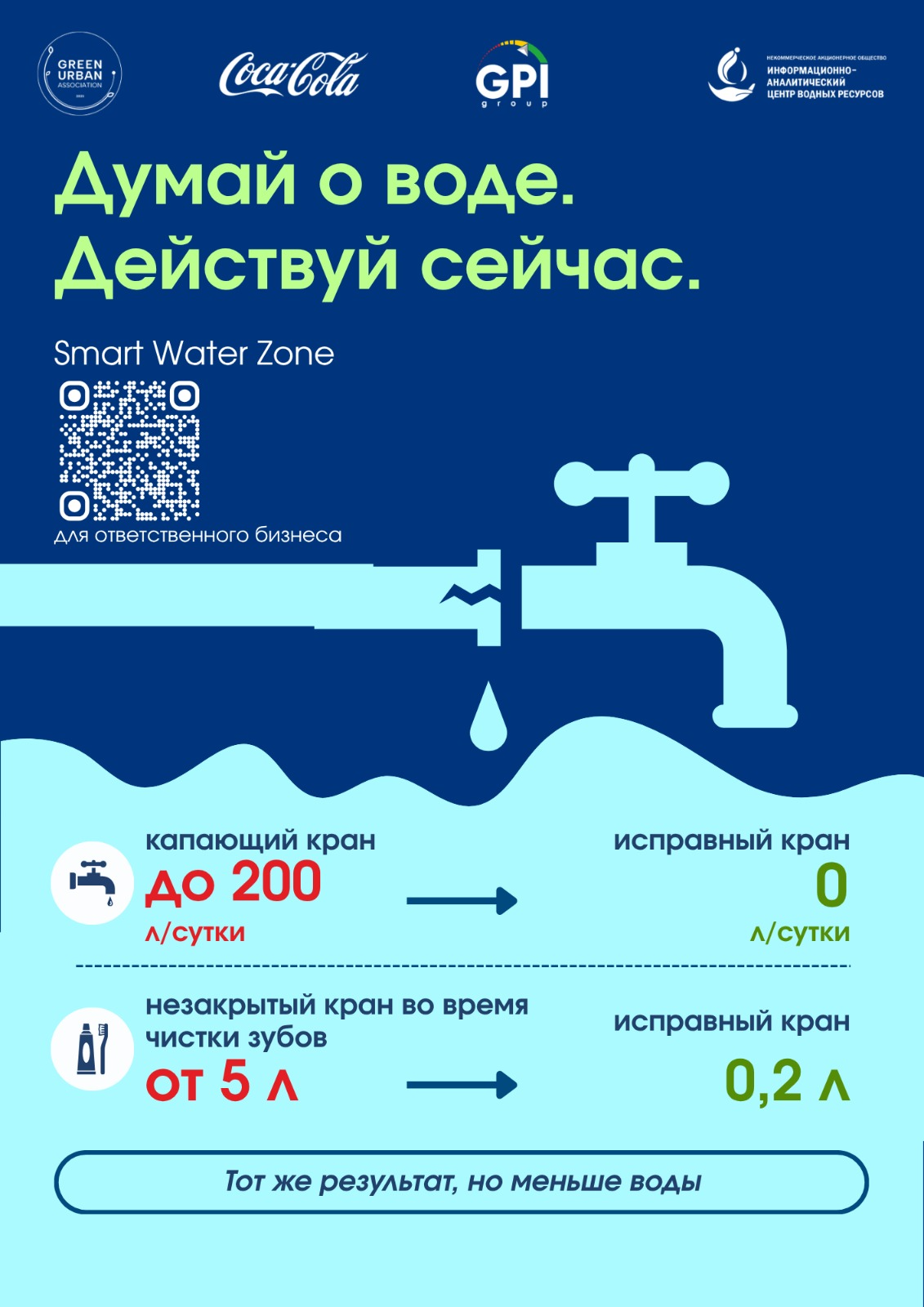
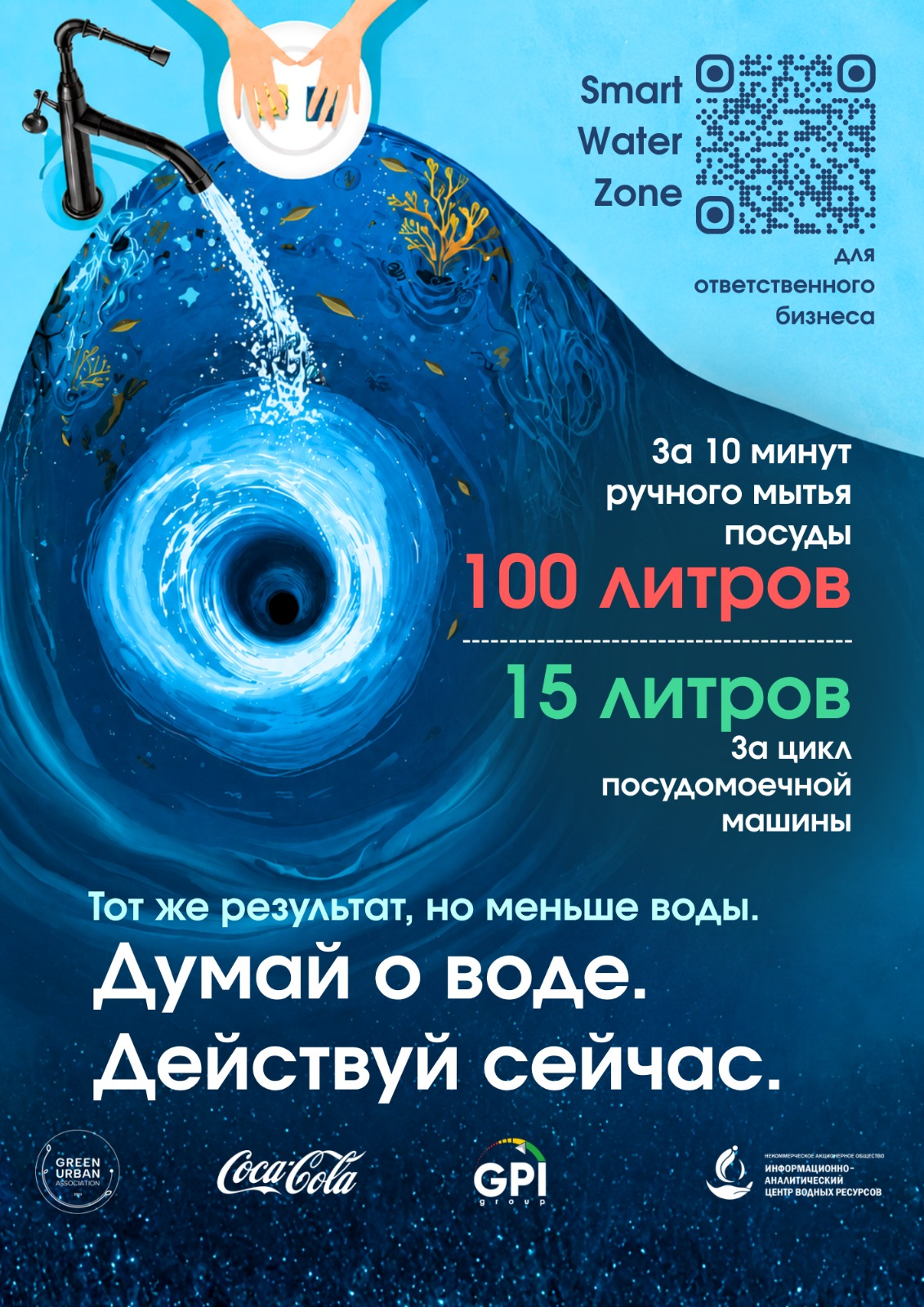
2. Operationalizing the "Smart Water Zone" Campus Framework
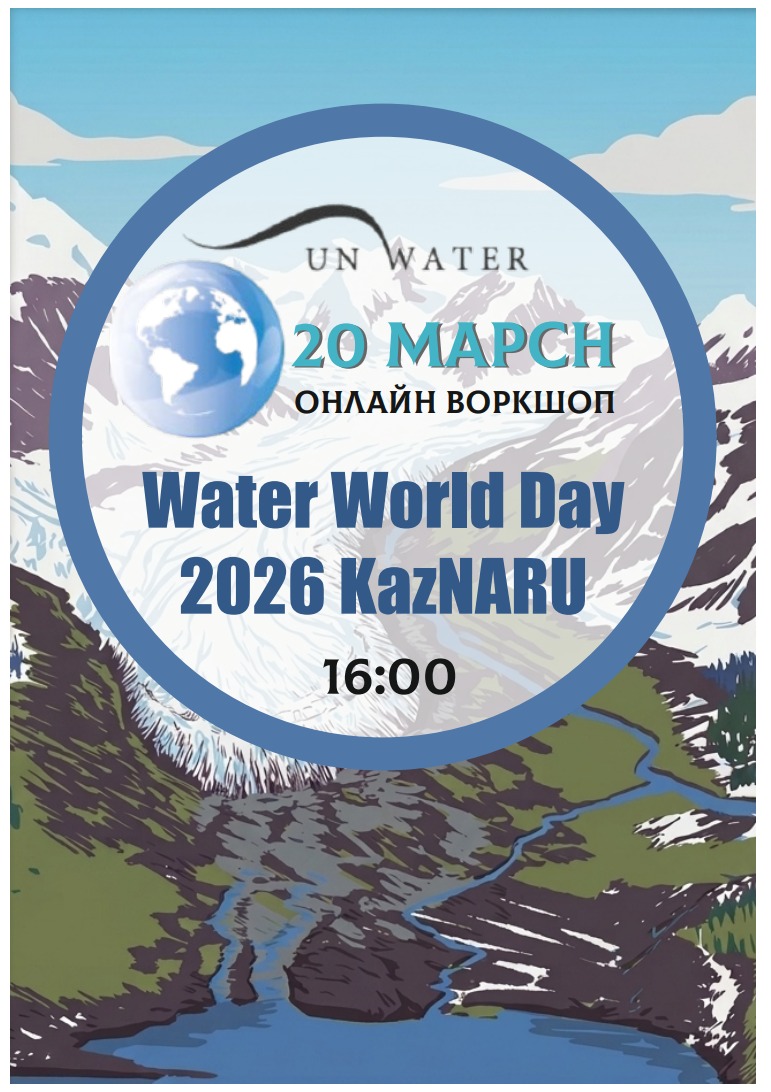
A core component of our technical integration is KazNARU’s active participation in the Association’s flagship "Smart Water Zone" initiative. This project converts our active campus into a live testing laboratory for advanced urban hydroefficiency. The system introduces intelligent water-metering sensors, decentralized greywater filtration loops for landscape irrigation, and closed-loop recycling mechanisms within university laboratories. These structural changes dramatically reduce the university's reliance on municipal clean water networks, directly optimizing KazNARU’s points under the Water (WR) tier of global green rankings. In addition, students will be actively engaged in various water-saving campaigns and festivals, promoting a culture of responsible water use among both students and faculty.
3. Interdisciplinary Climate Adaptation and Agrarian Eco-Monitoring Confronting the core priorities of "Environment" and climate change, the joint partnership merges academic research with proactive environmental monitoring. Faculty researchers and Green Urban experts are systematically tracking the impacts of shifting weather patterns on crop resilience, soil degradation, and regional biodiversity. Through combined field research and expert exchange, the collaboration generates open-access climate vulnerability models for local farmers.
This ensures that KazNARU’s scientific output provides actionable tools for regional climate adaptation, directly enhancing our institutional performance in green research citations.
4. Smart Plastic Waste Mitigation & Circular Economy Infrastructure
To eliminate the institutional footprint of single-use materials, KazNARU has embedded the Association's "Smart Plastic Zone" protocols into its campus operations. This joint initiative installs dedicated, sensor-tracked recycling infrastructure throughout all academic and residential complexes. Beyond simple sorting bins, the project drives a circular economy system where collected polymer wastes are processed into durable agricultural materials, such as seedling trays and greenhouse components. This active waste diversion model serves as clear evidentiary data for the Waste (WS) category of the UI GreenMetric audit.
5. Alternative Energy Integration & Agricultural Waste Biomass Biogas
Emphasizing renewable alternatives, the partnership focuses on transforming agricultural byproducts into viable green energy matrices. KazNARU and Green Urban are establishing small-scale solar-agricultural arrays (agrivoltaics) and testing organic waste biomass co-digestion systems. By exploring the conversion of livestock and plant residues from experimental farms into clean biogas, the university reduces its carbon footprint while training students in decentralized green energy grids. This hands-on experience prepares a new generation of ecoconscious agricultural engineers.
6. Joint Educational Hubs, Hackathons, and Knowledge Transfer
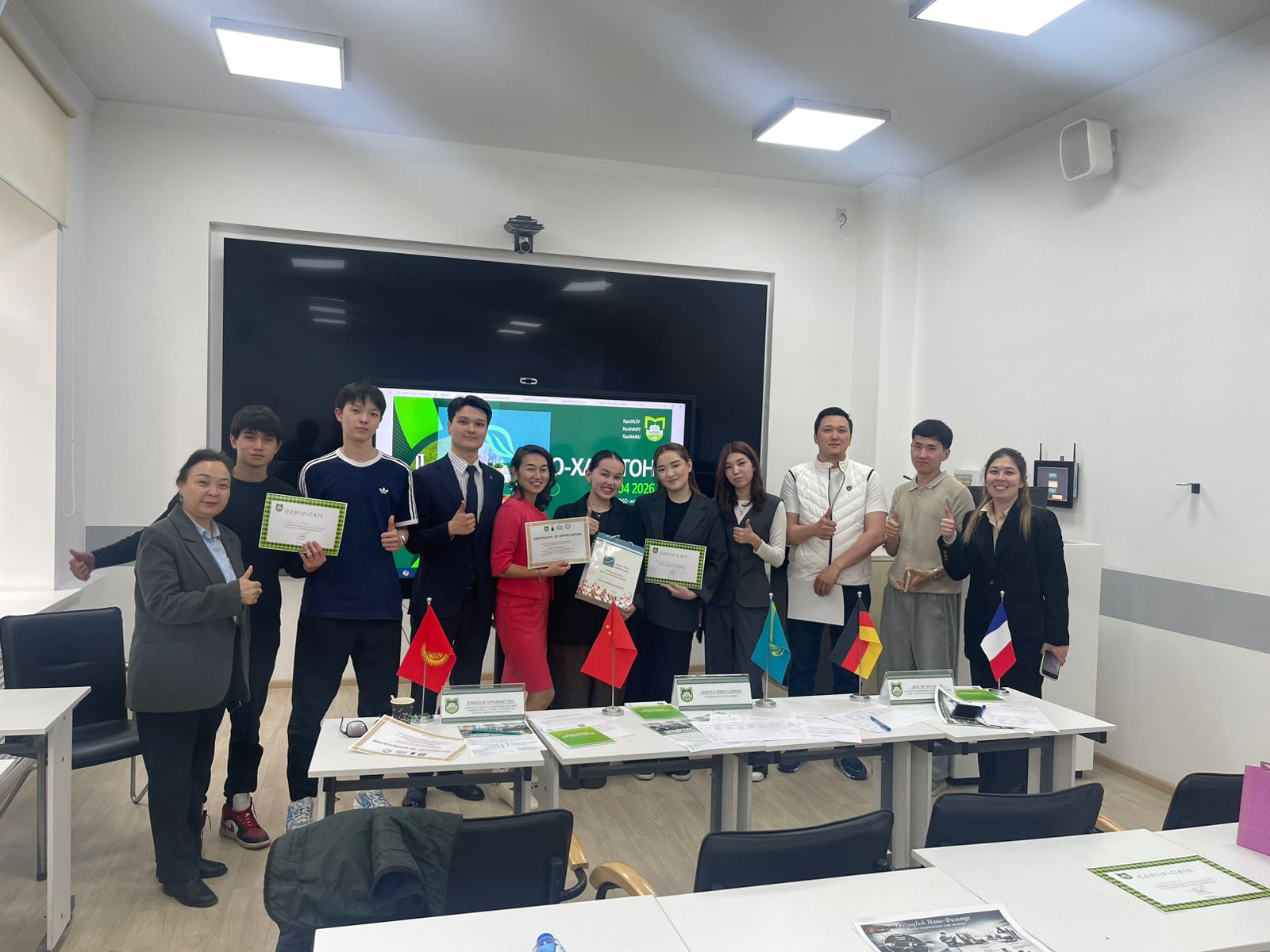
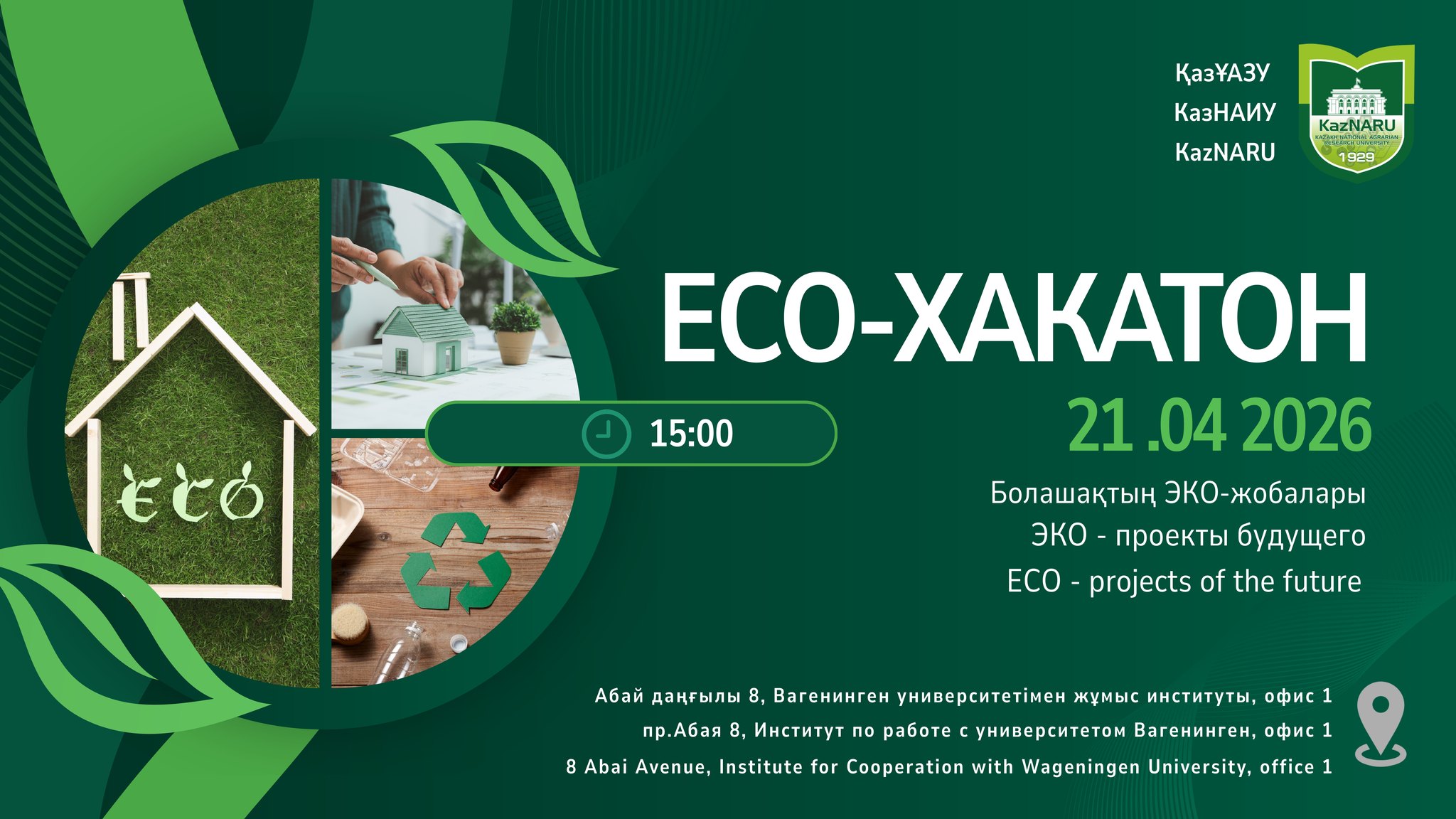
The human capital engine of this memorandum is driven by continuous knowledge exchange. KazNARU and Green Urban host collaborative regional forums, ecofocused hackathons, and specialized training workshops designed to solve realworld sustainability challenges. Master’s and PhD candidates benefit from specialized scientific internships and field placements managed within the Association’s network. This cycle ensures that interdisciplinary green skills are woven into the academic fabric of our student body, reinforcing KazNARU’s status as a leader in sustainability education.
Conclusion: The Way Forward
The memorandum of understanding between KazNARU and the Green Urban Association establishes a legally secure, five-year framework that turns strategic intent into verified environmental value. By successfully aligning our educational tracks with real-world infrastructure projects like the Smart Water and Smart Plastic Zones, we are moving past theoretical sustainability into measurable campus operations.
This systematic coordination between KazNARU and the Green Urban Association provides the data and verifiable progress needed to elevate KazNARU's standing as a global leader in green transformation. More importantly, it ensures that our university continues to serve as an accessible, borderless haven for ecological research and green agricultural leadership across Kazakhstan.
.jpeg)

.png)
.jpeg)

.png)
.jpeg)
.jpeg)
.jpeg)