KazNARU HOSTS WORKSHOP ON DEVELOPING AN INCLUSIVE ENVIRONMENT
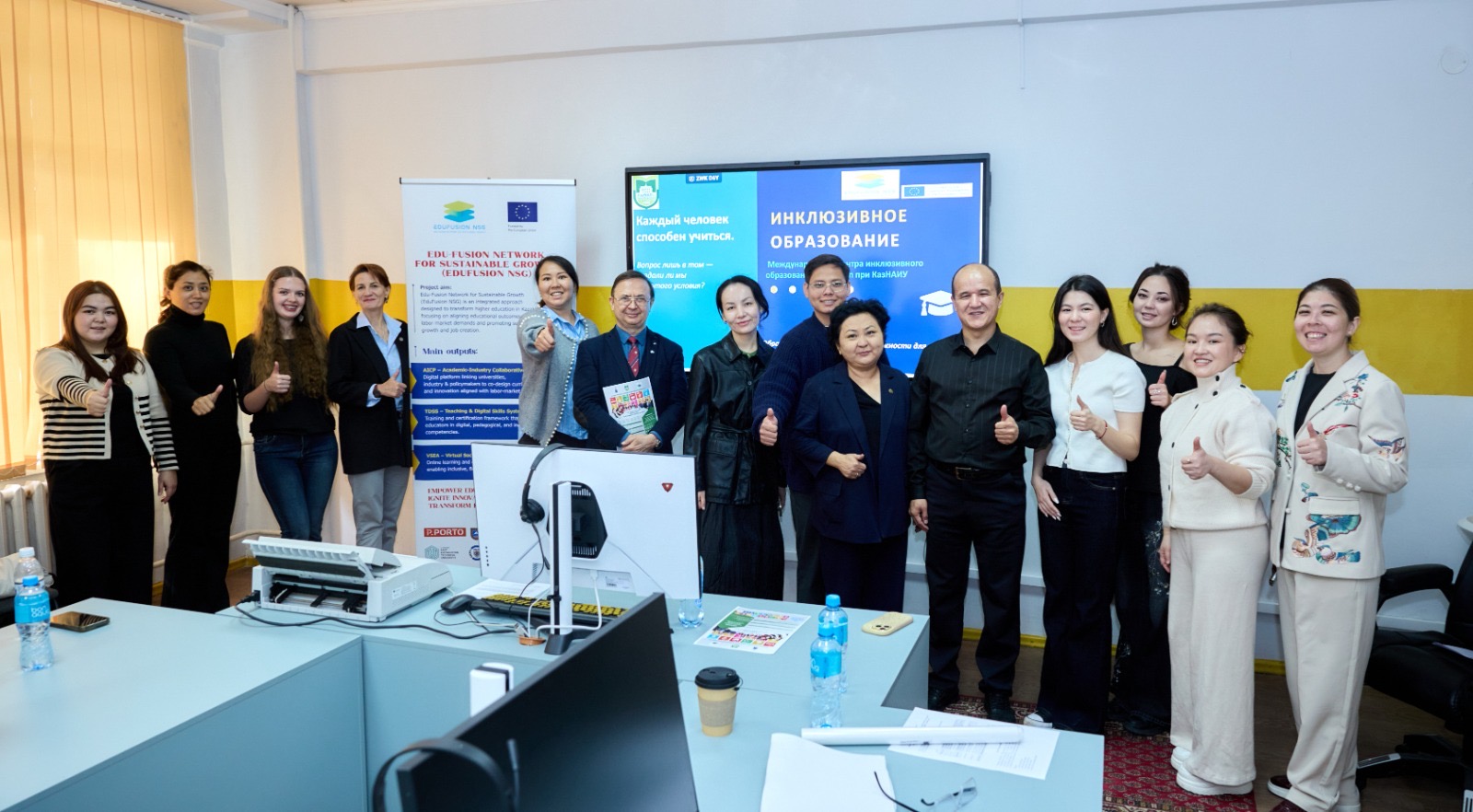
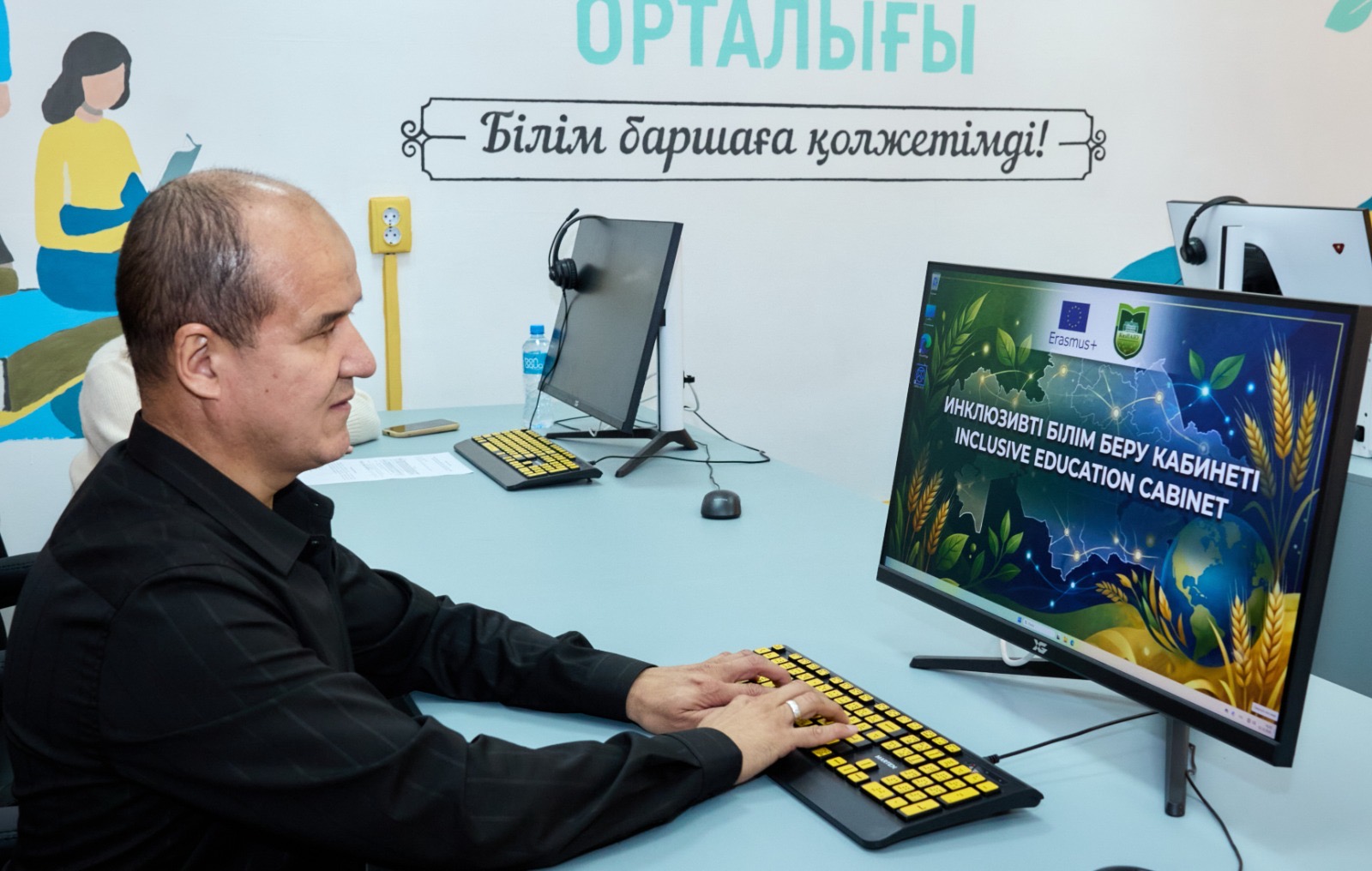
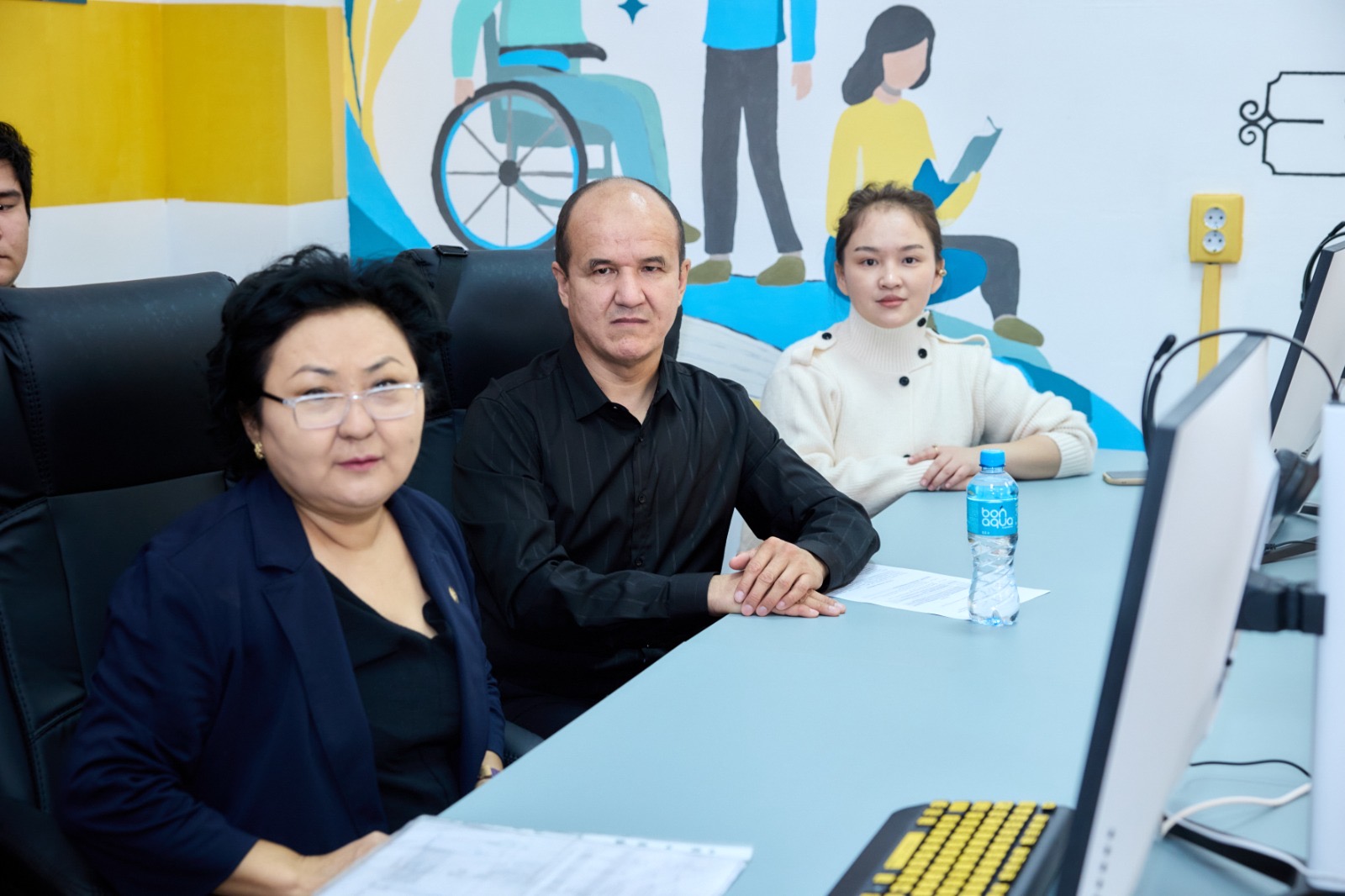
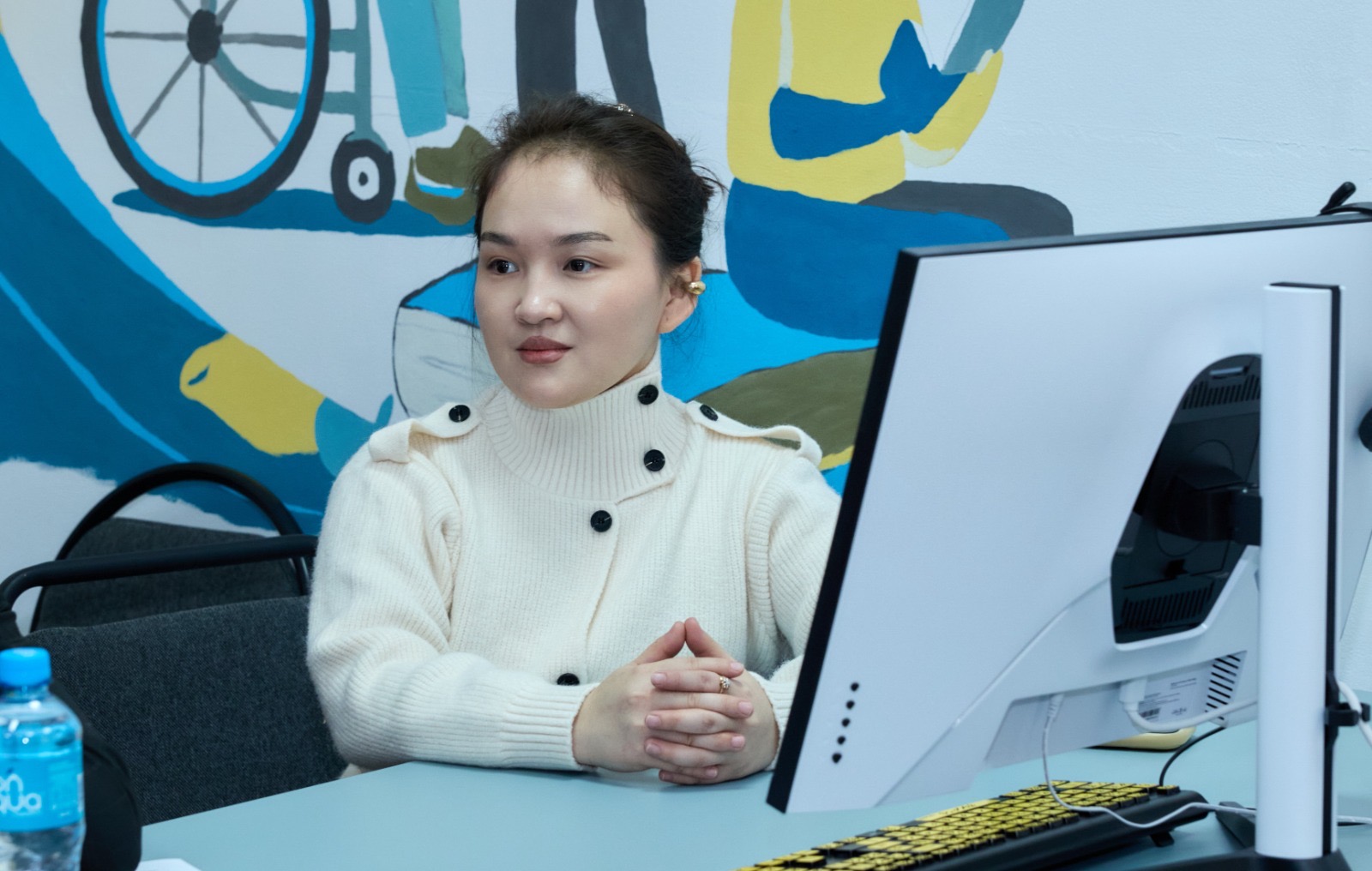
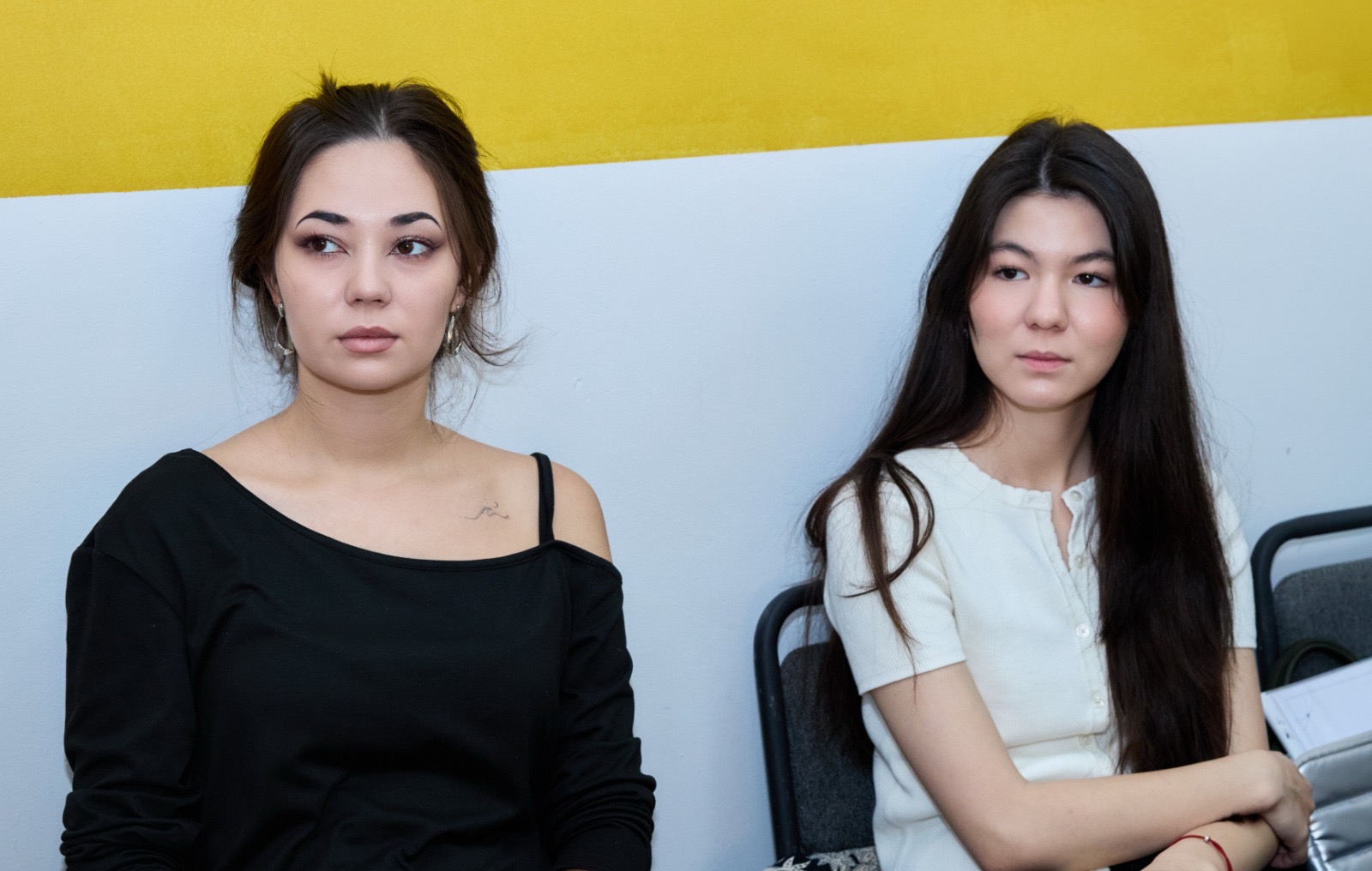
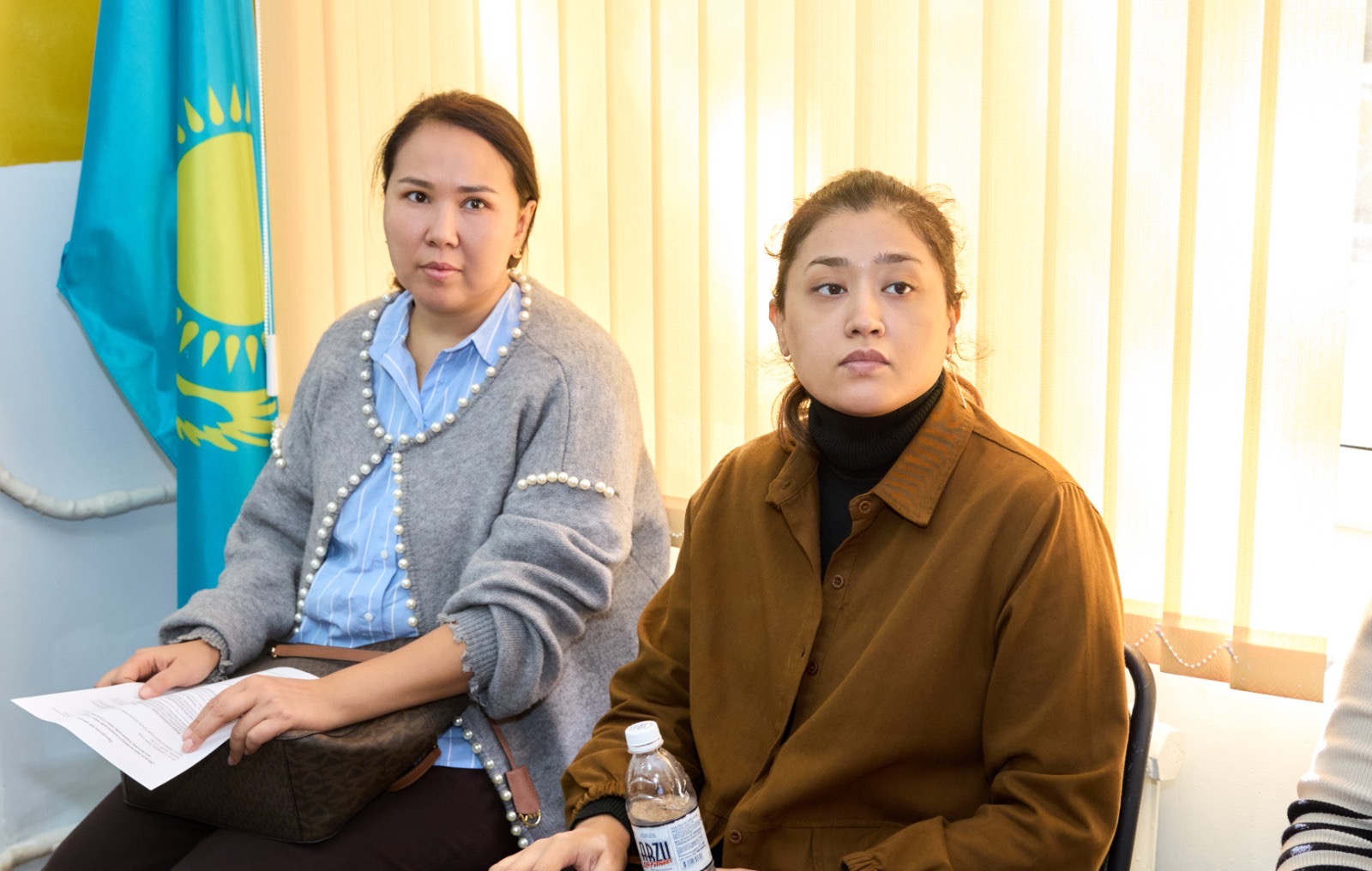
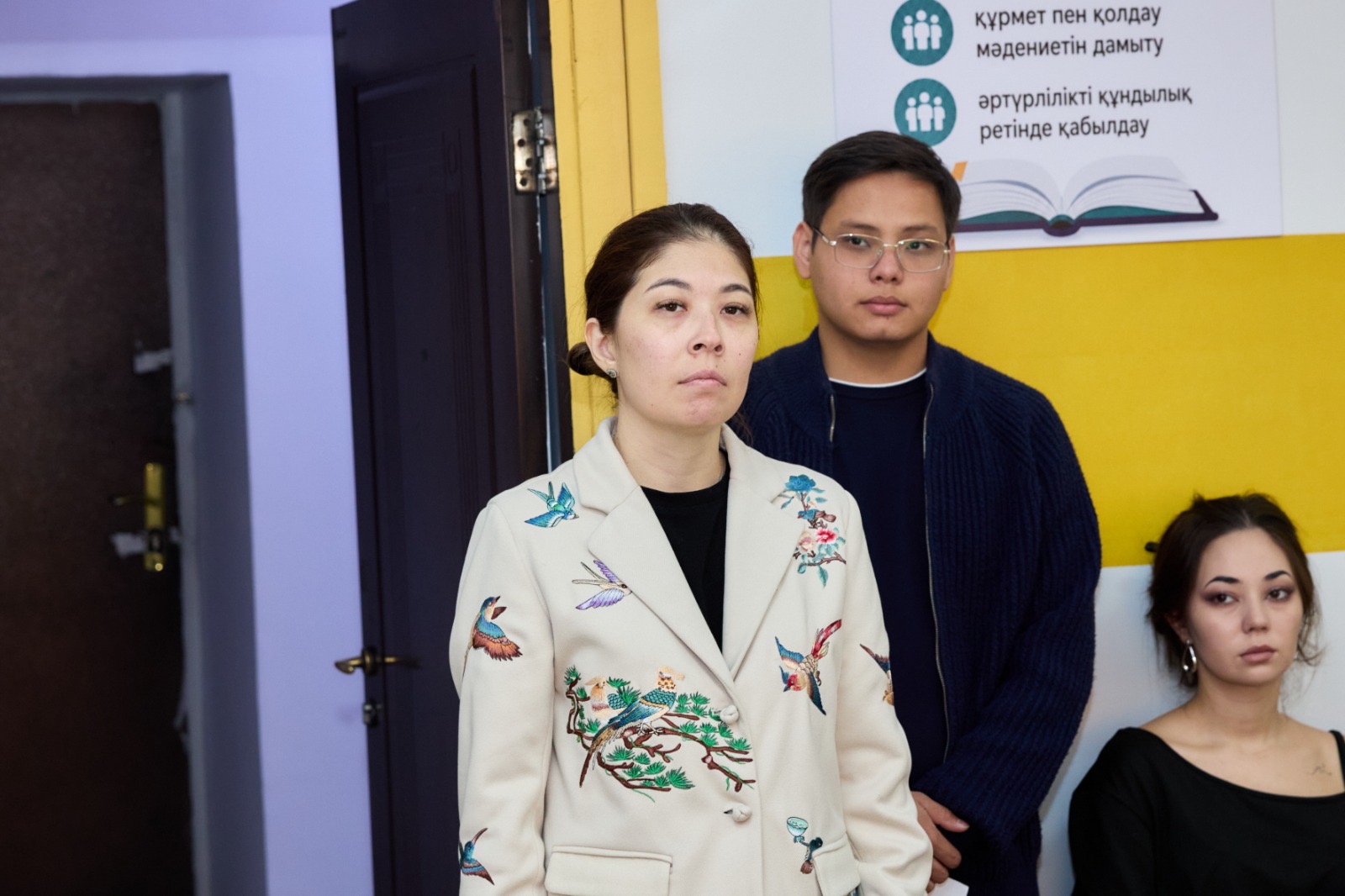
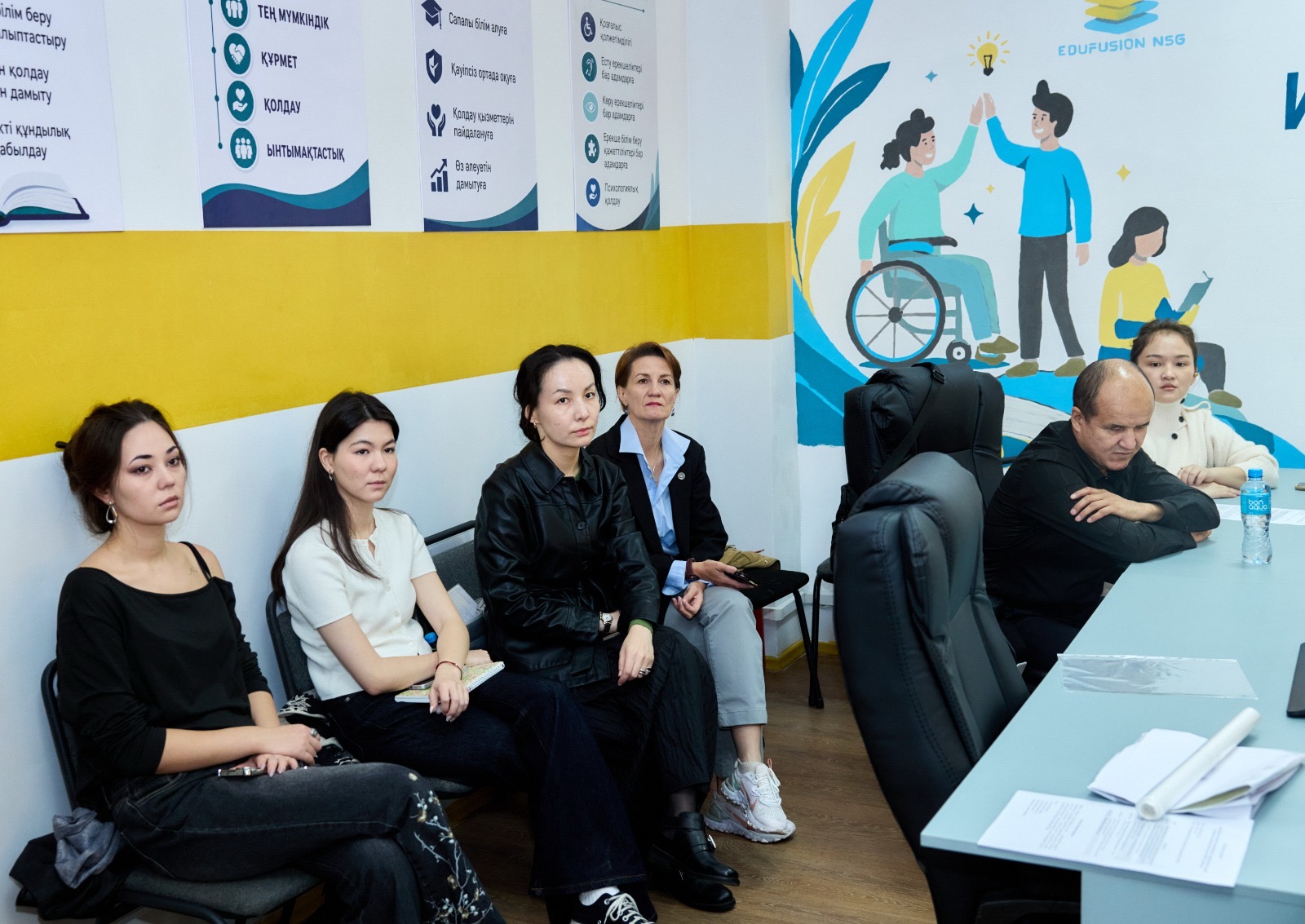
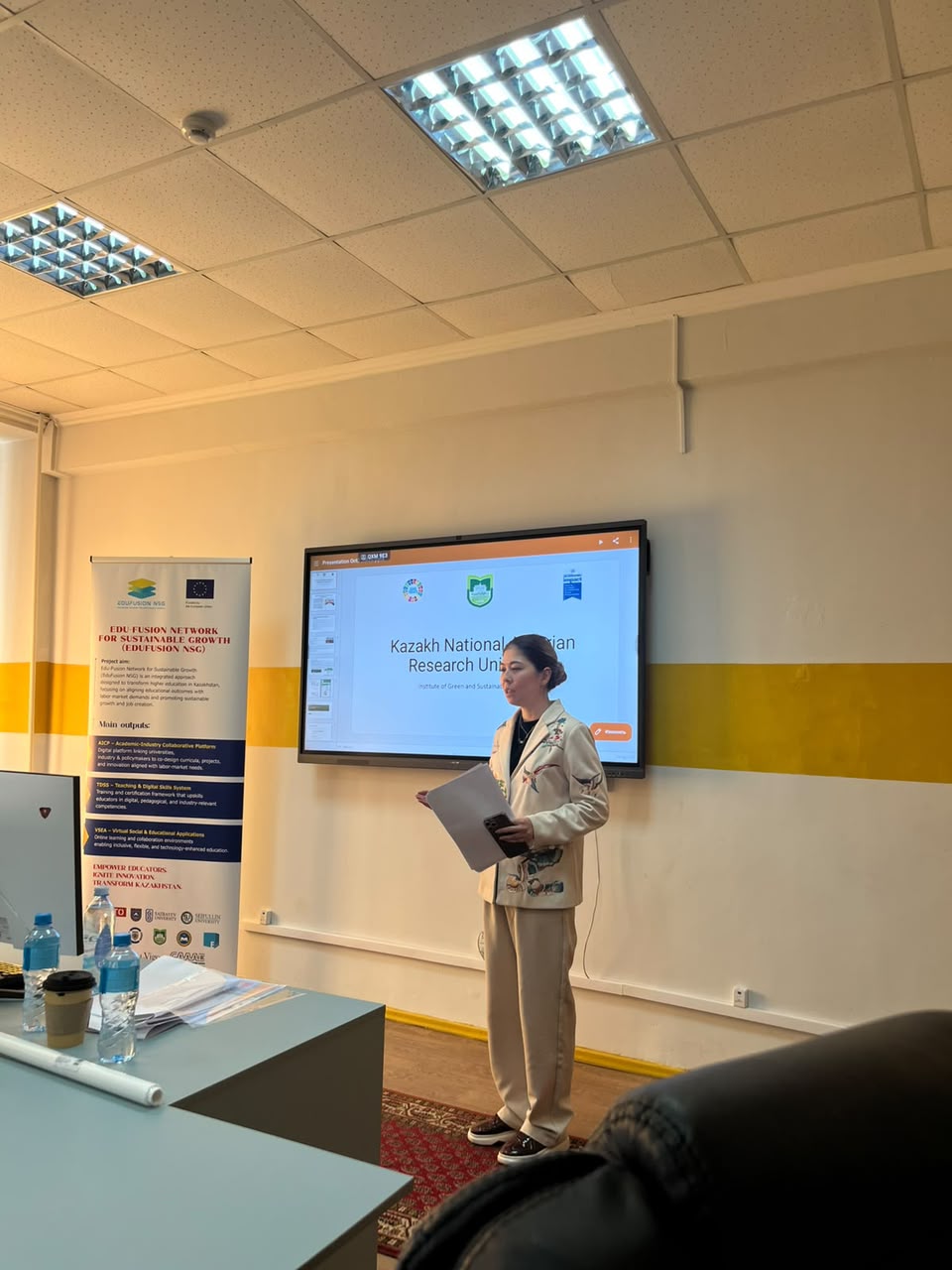
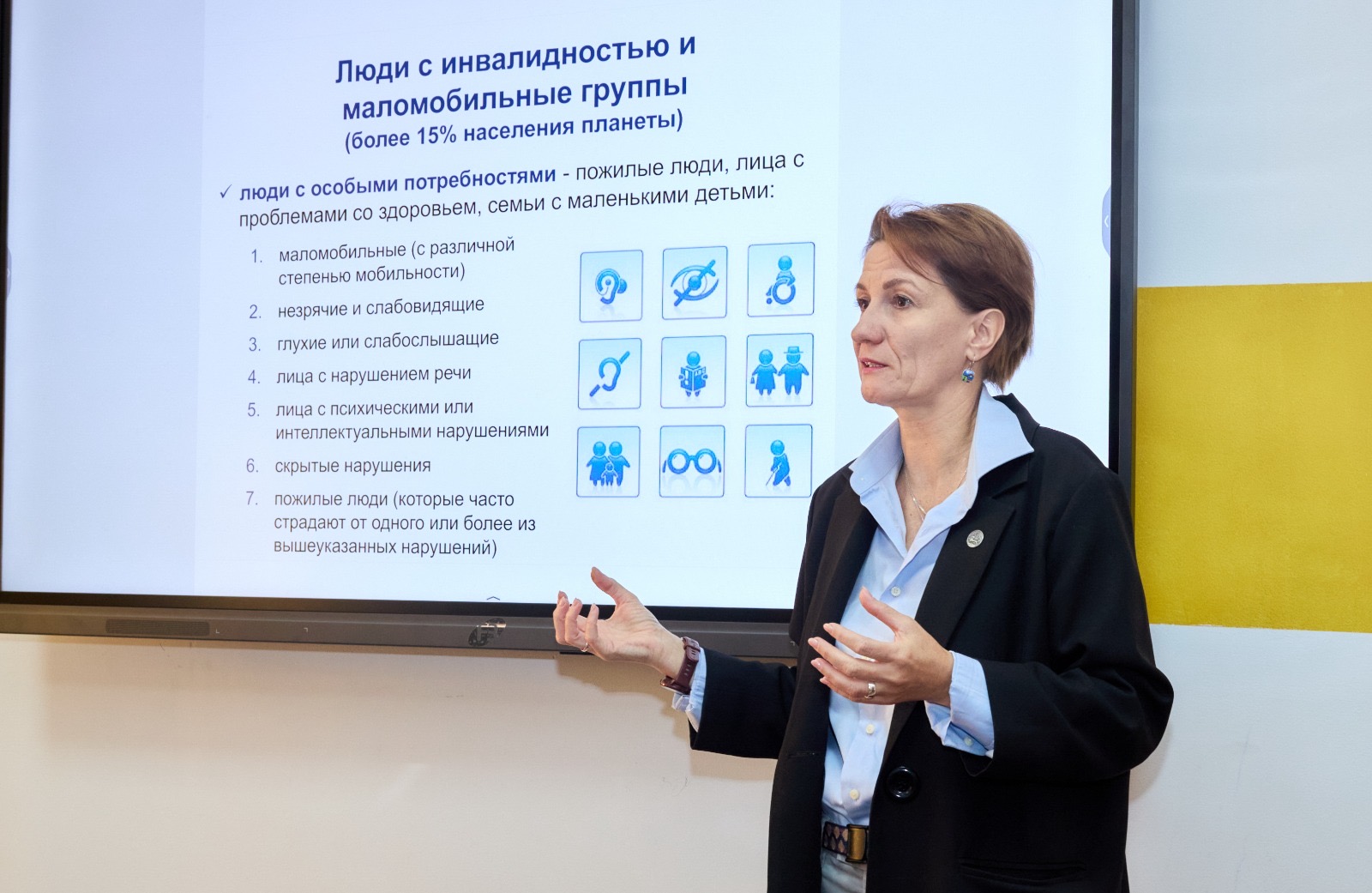
The Kazakh National Agrarian Research University (KazNARU) hosted a workshop at the International Center for Inclusive Education on the topic “Inclusive Interaction Model: Building a Socio-Cultural Ecosystem for Students, Faculty, and Society.”
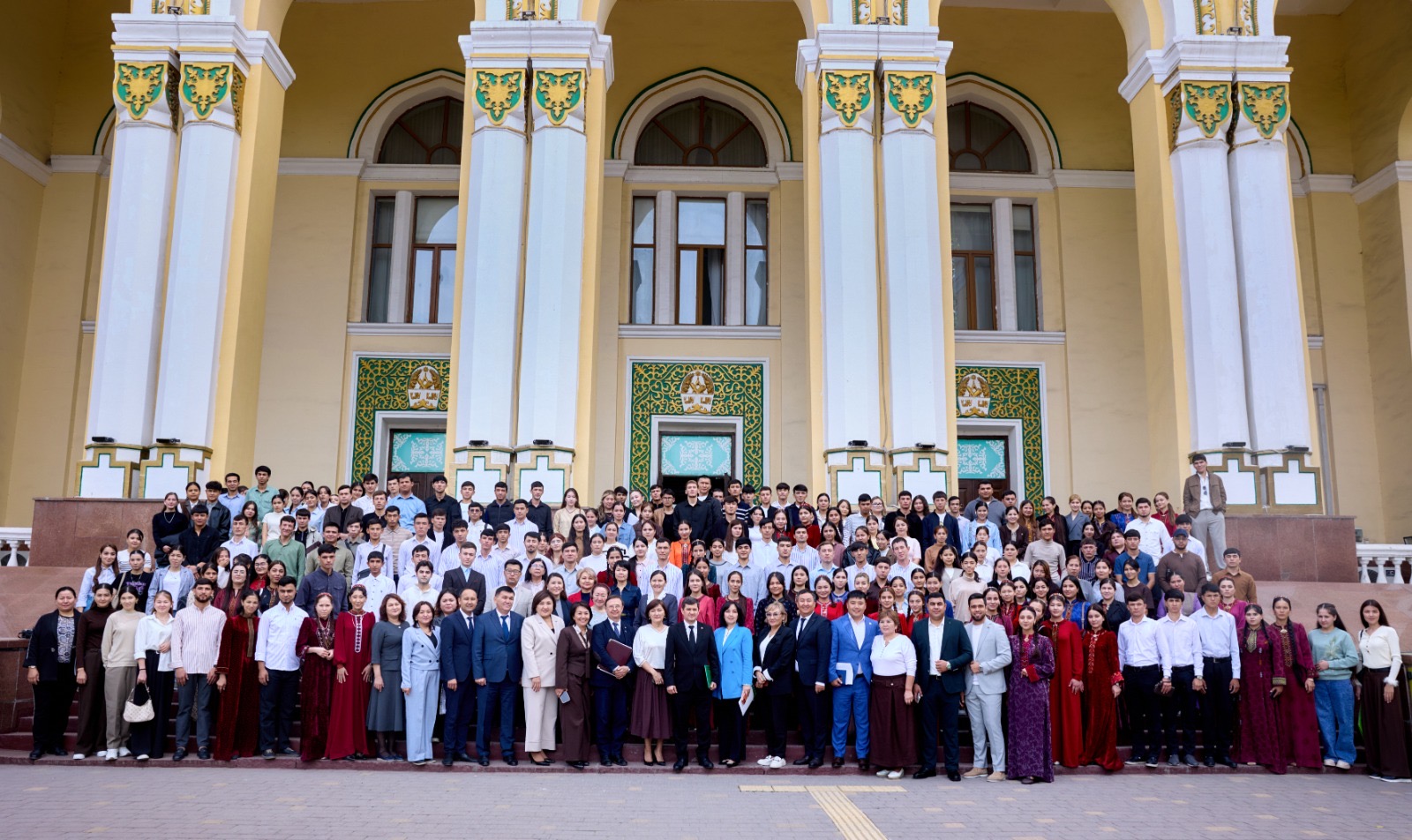
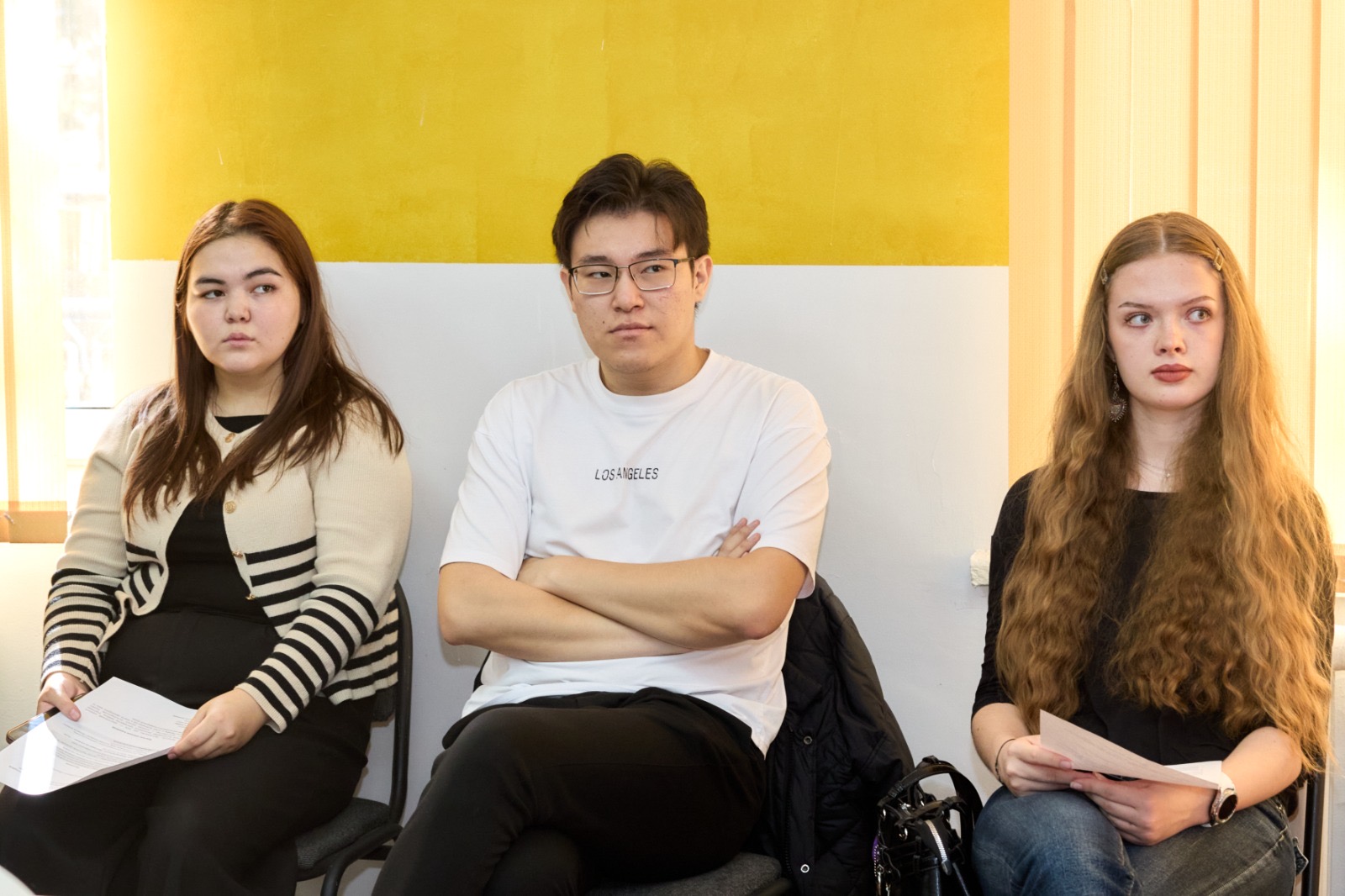
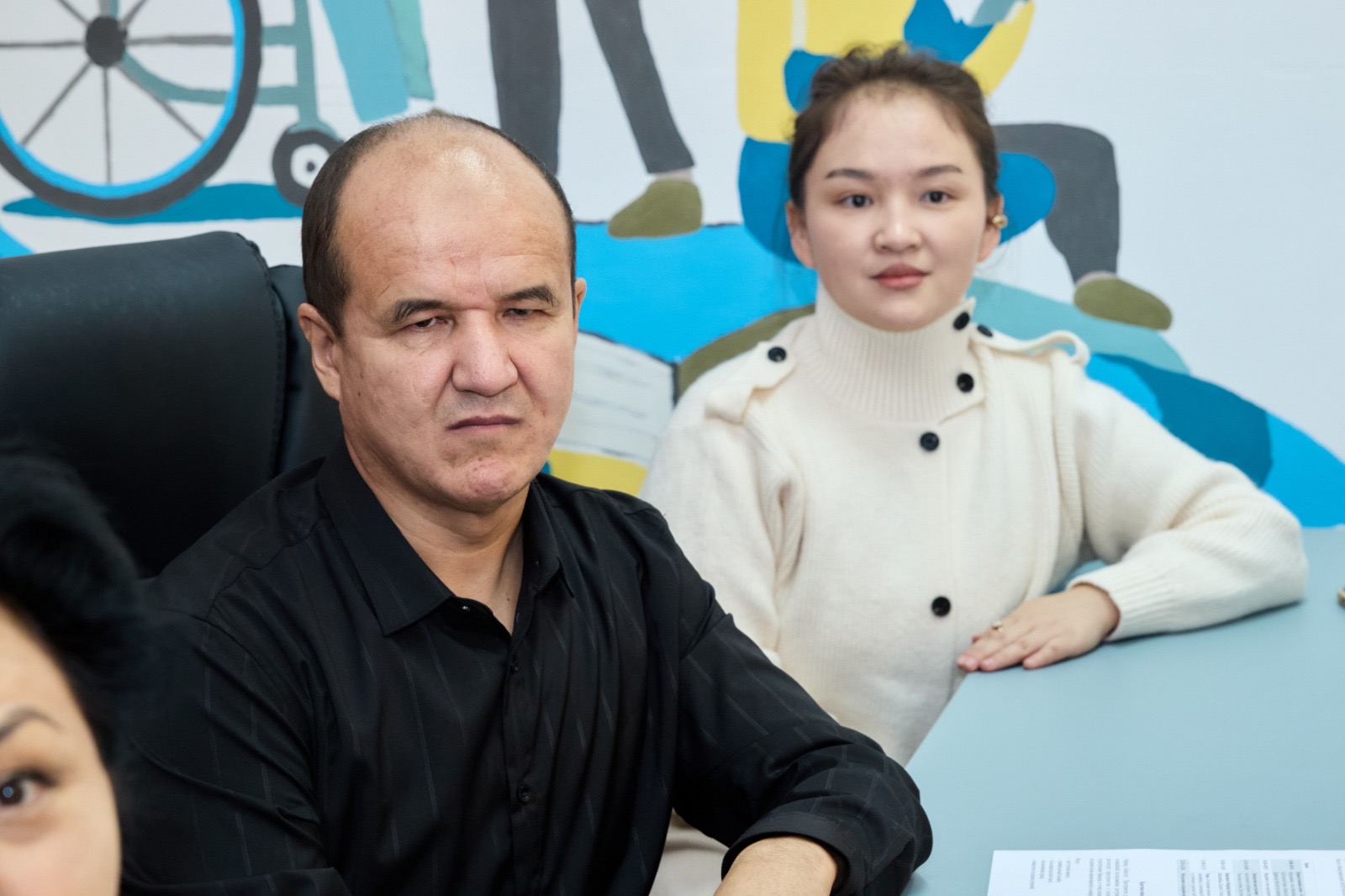
The event brought together faculty members, doctoral students, master’s students, and undergraduate students from leading higher education institutions across the country, as well as representatives of the Republican Library for Blind and Visually Impaired Citizens.
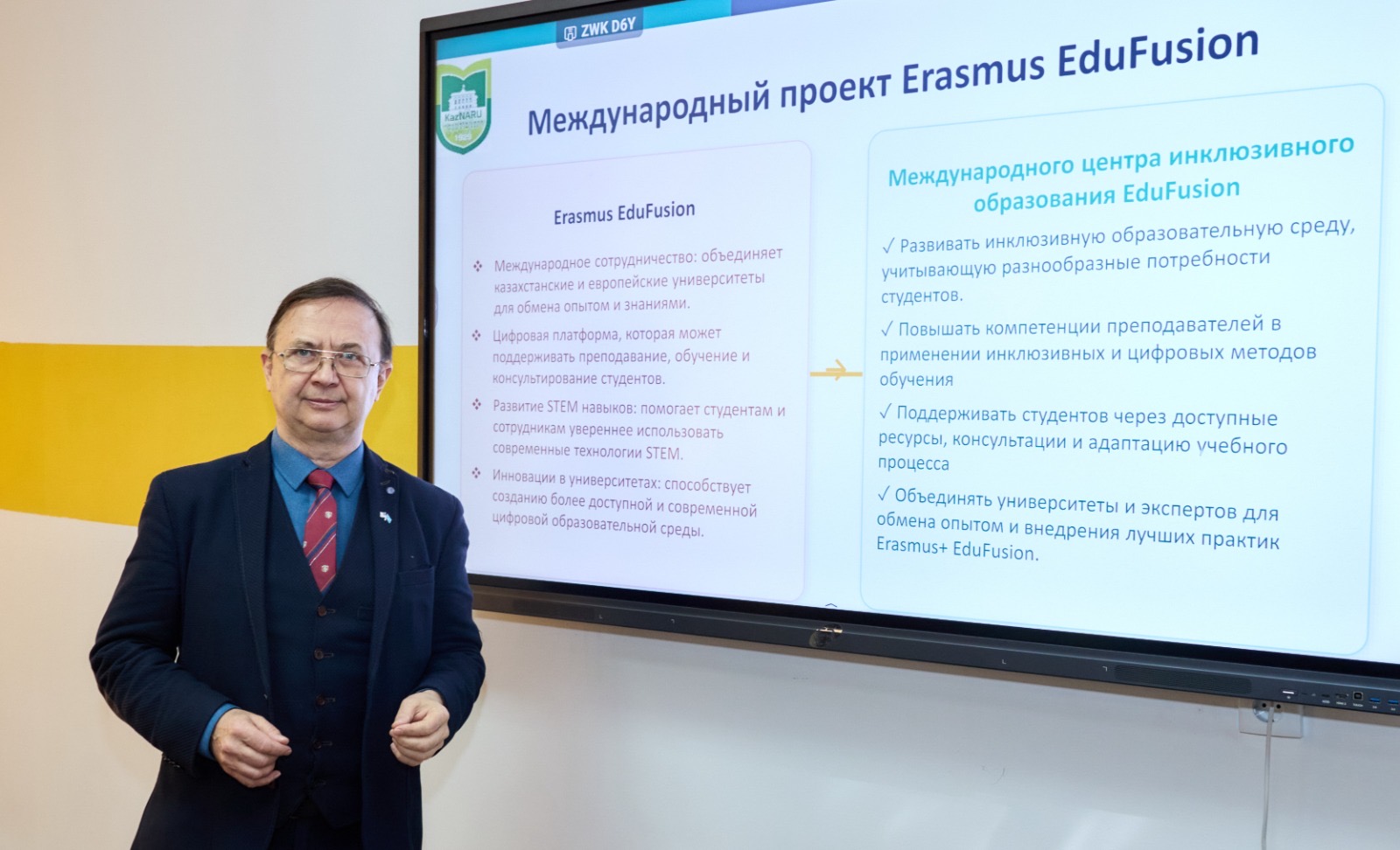
The workshop was organized within the framework of the EduFusion grant project under the Erasmus+ programme. Its main objective was to discuss modern approaches to creating an accessible and inclusive environment in higher education and to develop practical recommendations.
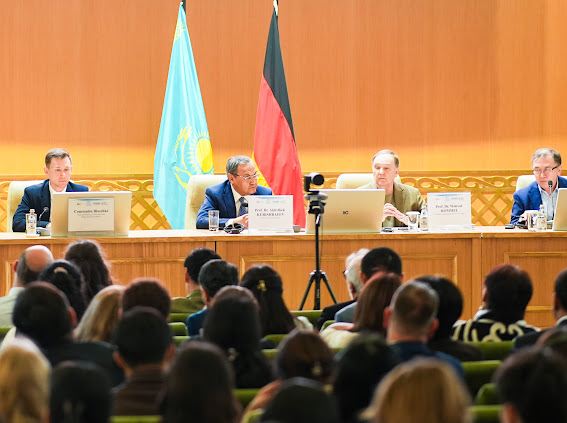
The event was opened by Rafis Abazov, Erasmus+ EduFusion coordinator and Director of the Institute of Green and Sustainable Development at KazNARU. He highlighted the importance of lifelong learning and presented European practices in inclusive education.
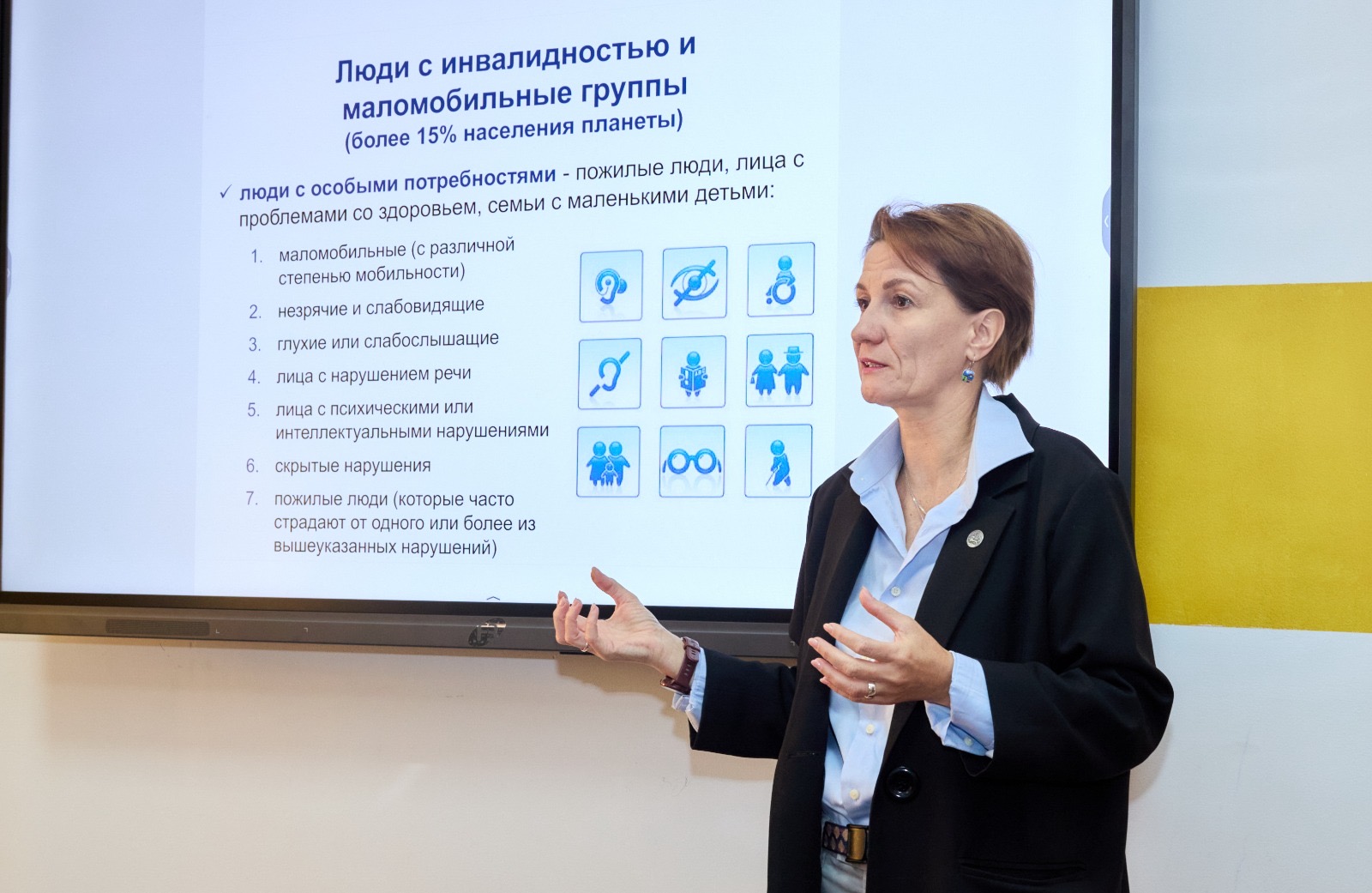
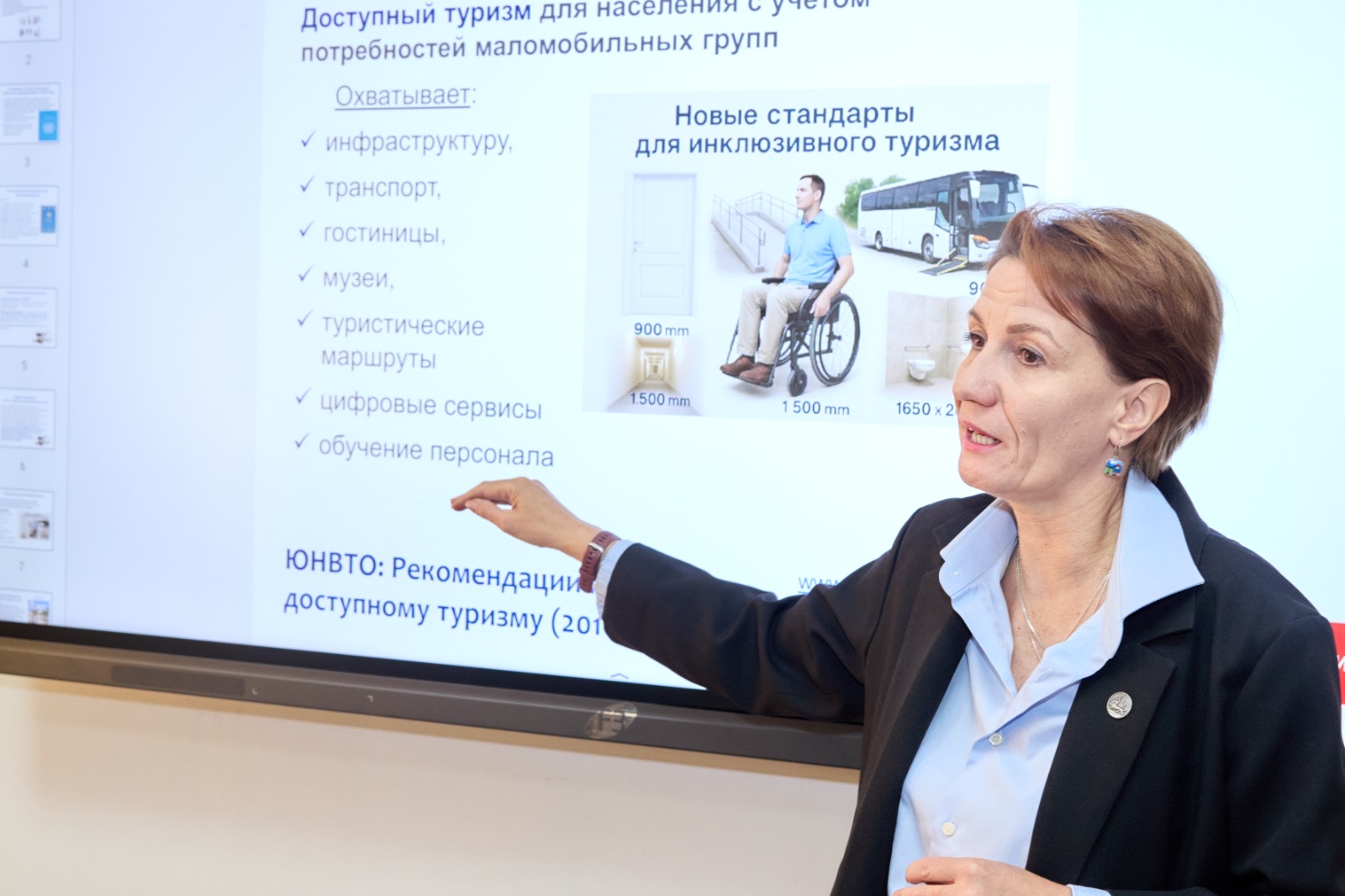
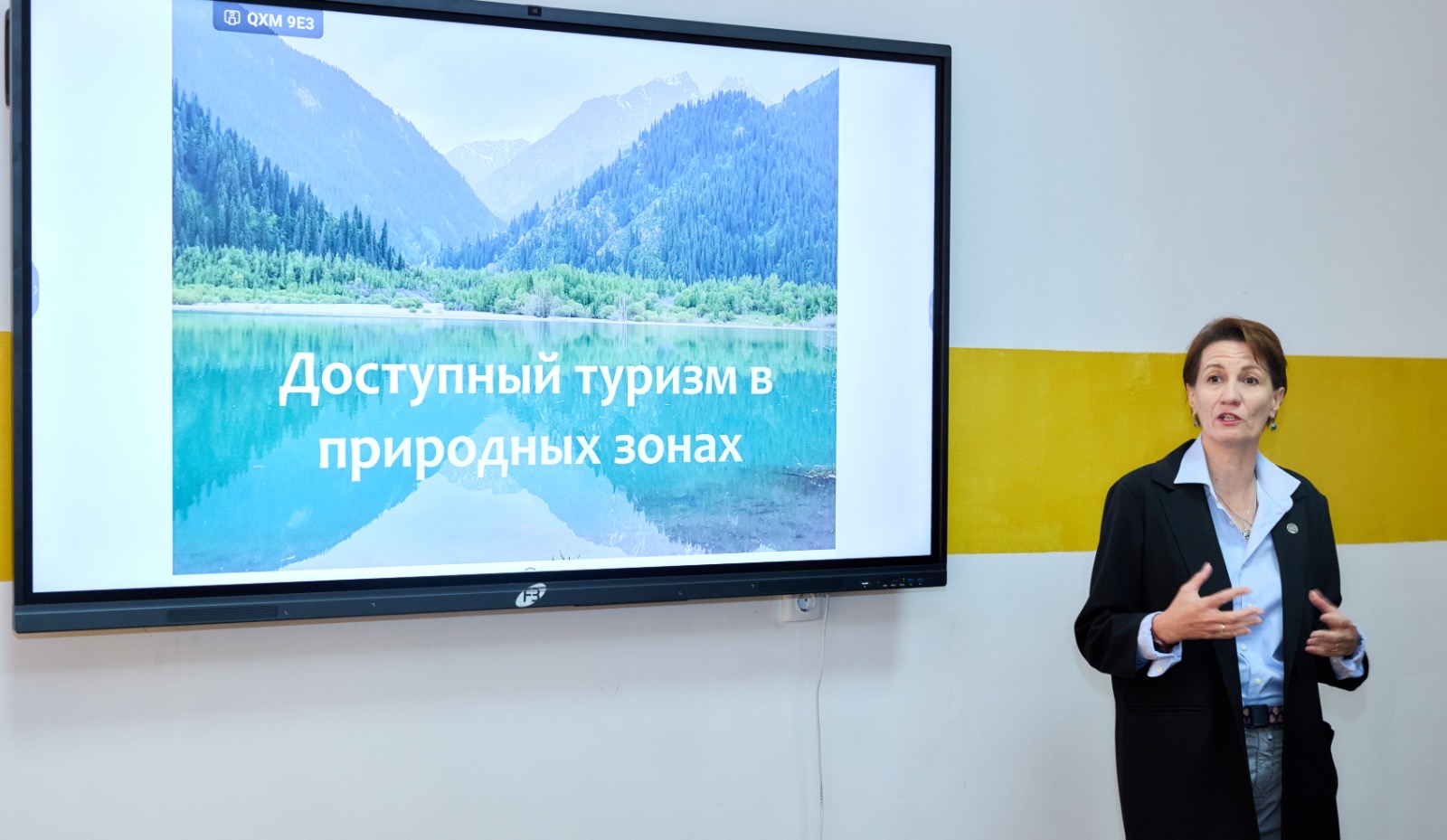
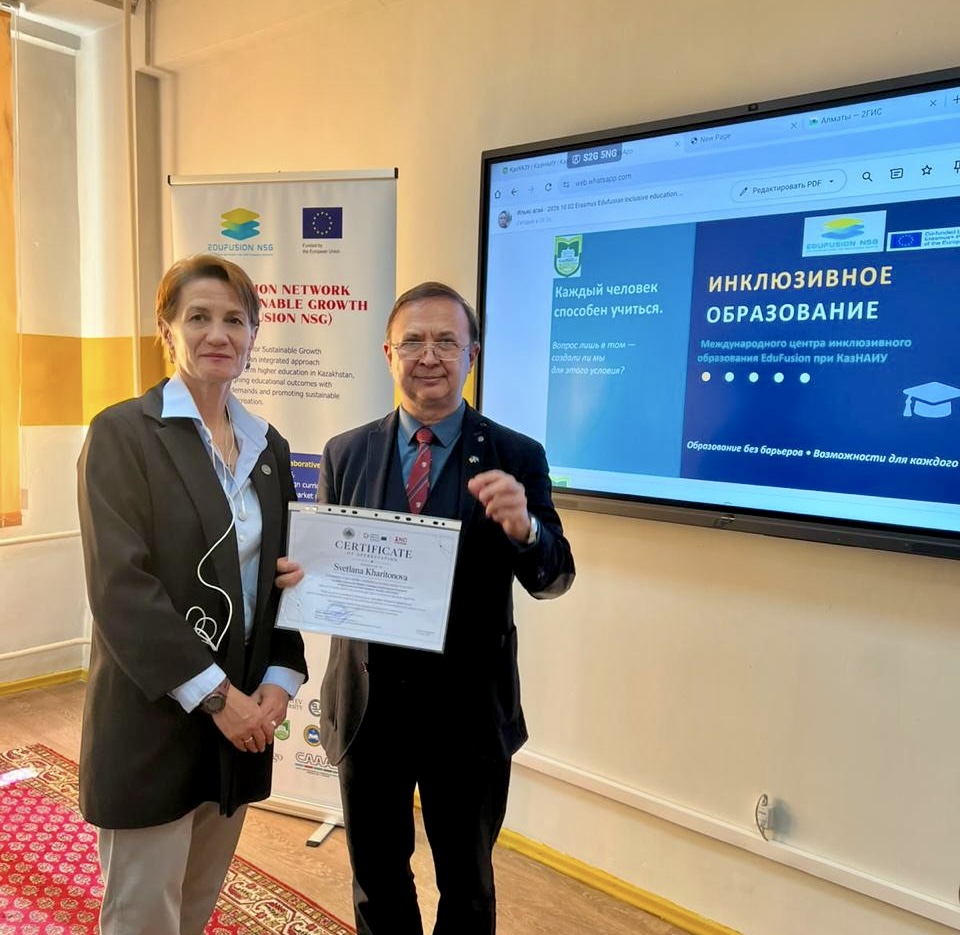
Accessibility specialist Svetlana Kharitonova delivered a presentation on “Accessible Tourism in Natural Areas,” focusing on the adaptation of tourism facilities and urban spaces to meet the needs of people with diverse requirements.
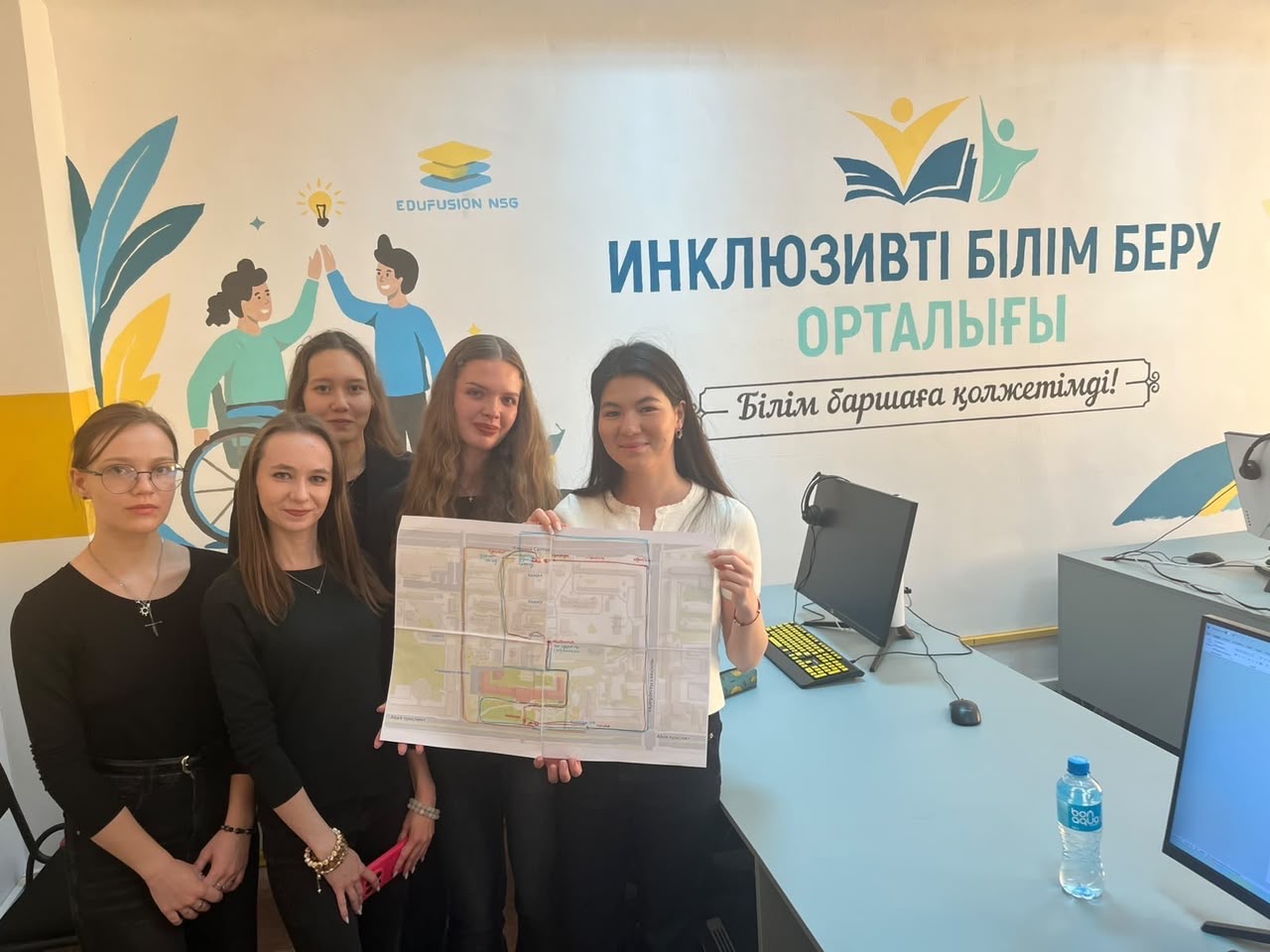
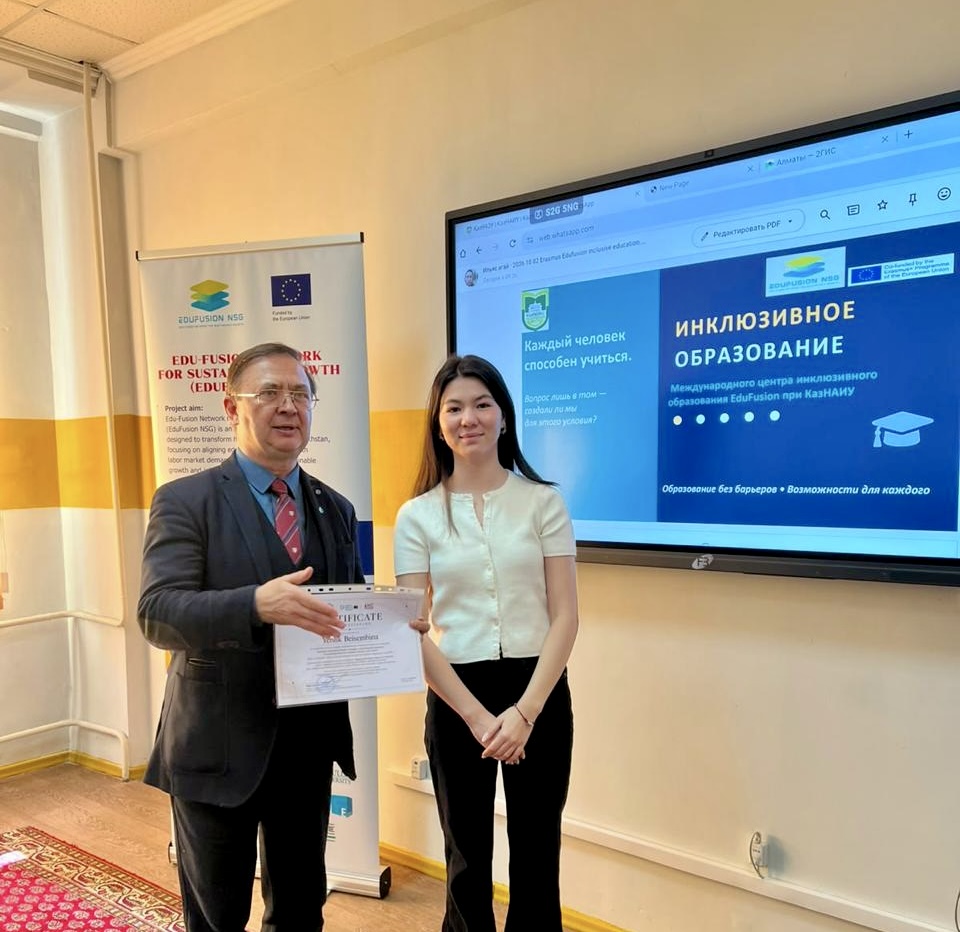
The practical session featured the “Mapping Inclusivity: A Space for All” workshop led by Enlik Beisembina, a representative of Inclusive Tourism Lab. Participants assessed the campus from the perspective of different users, identified infrastructure barriers, and developed recommendations for applying universal design principles.
Maya Suyunchaliyeva, Lead Specialist at the Institute of Green and Sustainable Development at KazNARU, presented “Sustainable and Inclusive Campus: GreenMetric Strategy and Results,” sharing the university’s experience in developing an inclusive campus environment.
The workshop concluded with recommendations to improve campus accessibility, apply universal design principles, and integrate inclusive approaches into the educational process.
The event marked another step in international knowledge exchange under the Erasmus+ EduFusion project and in advancing initiatives aimed at further developing an inclusive educational environment.