KazNARU HOSTS THE II INTERNATIONAL SYMPOSIUM “CHINA – CENTRAL ASIA” ON HIGH-EFFICIENCY WATER-SAVING SMART AGRICULTURE
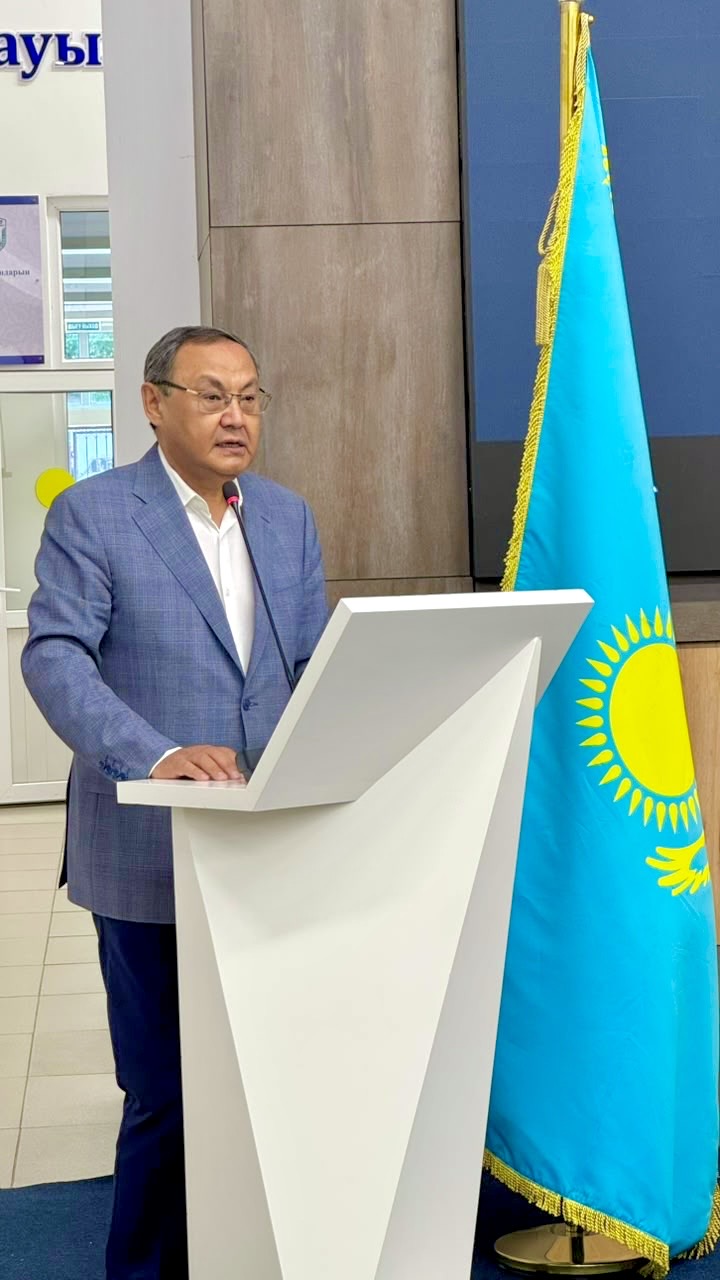
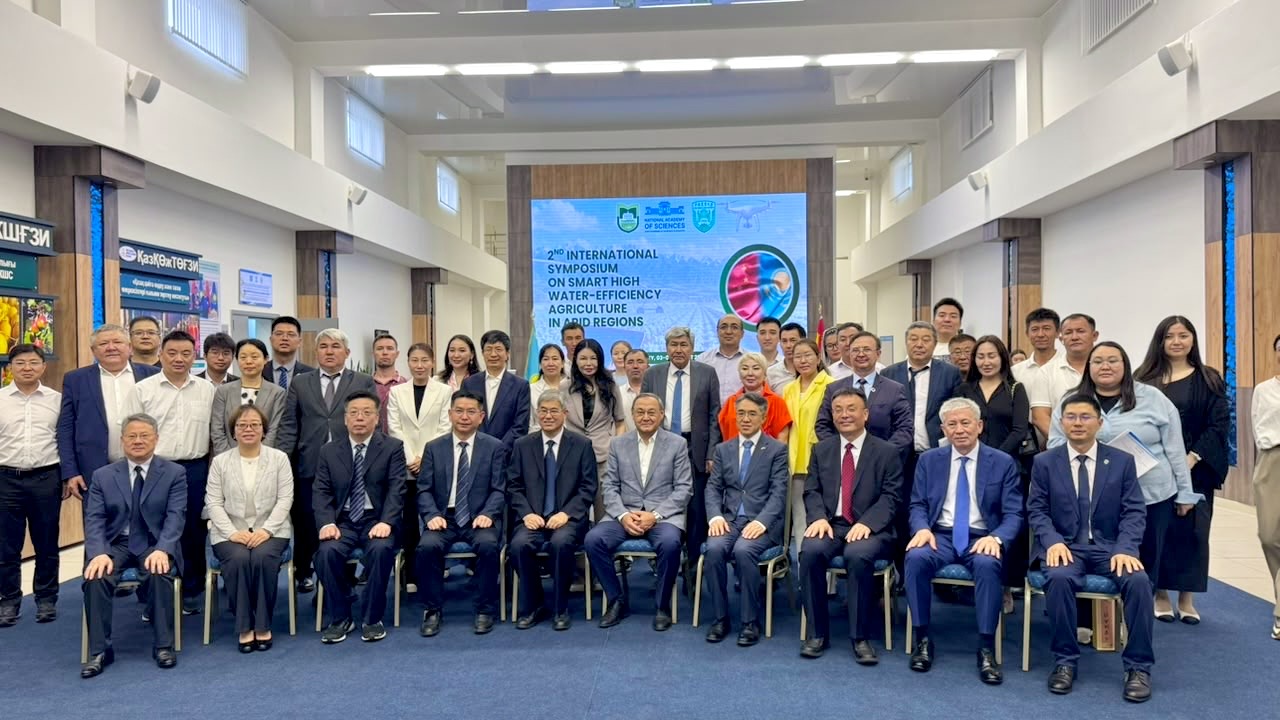
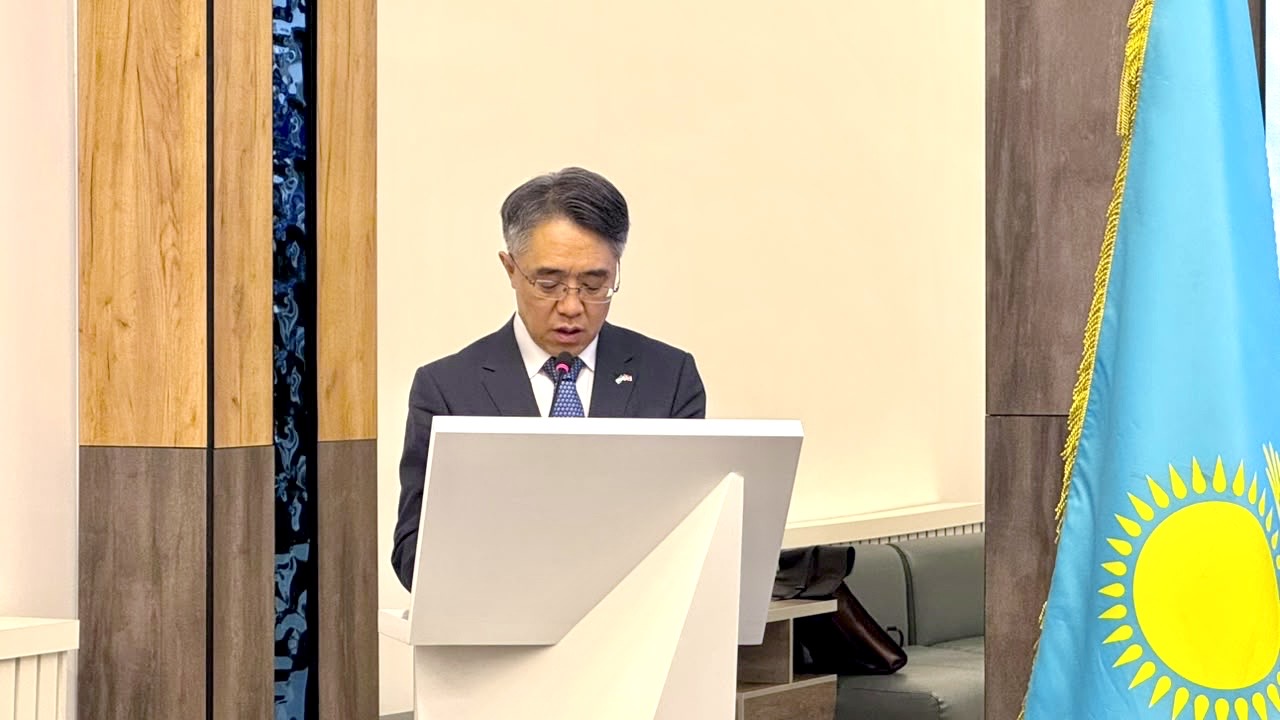
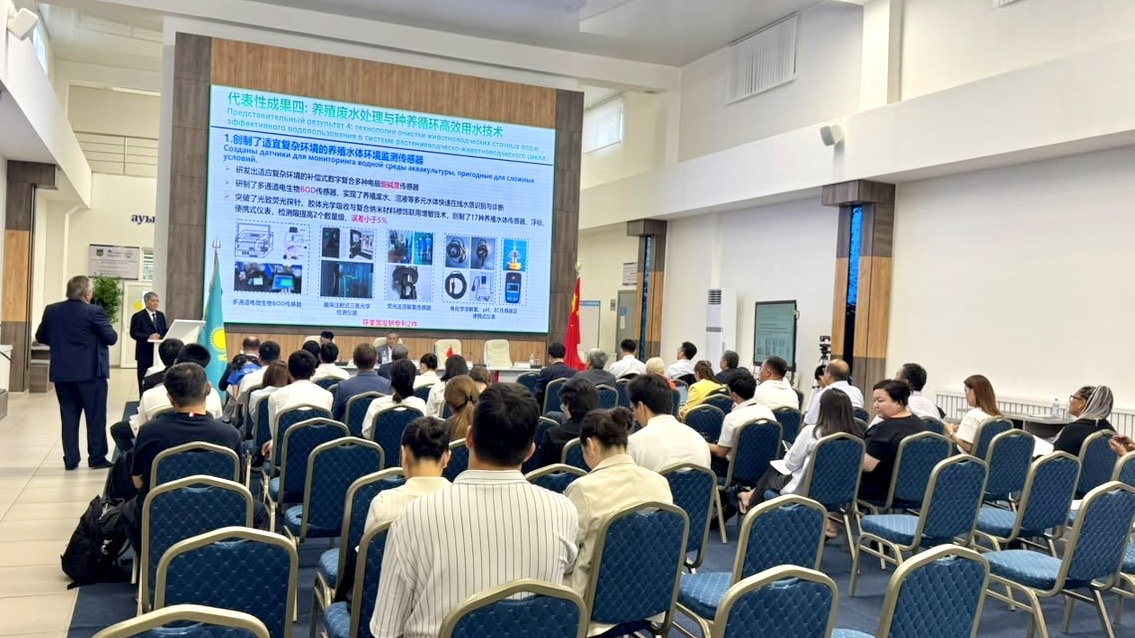
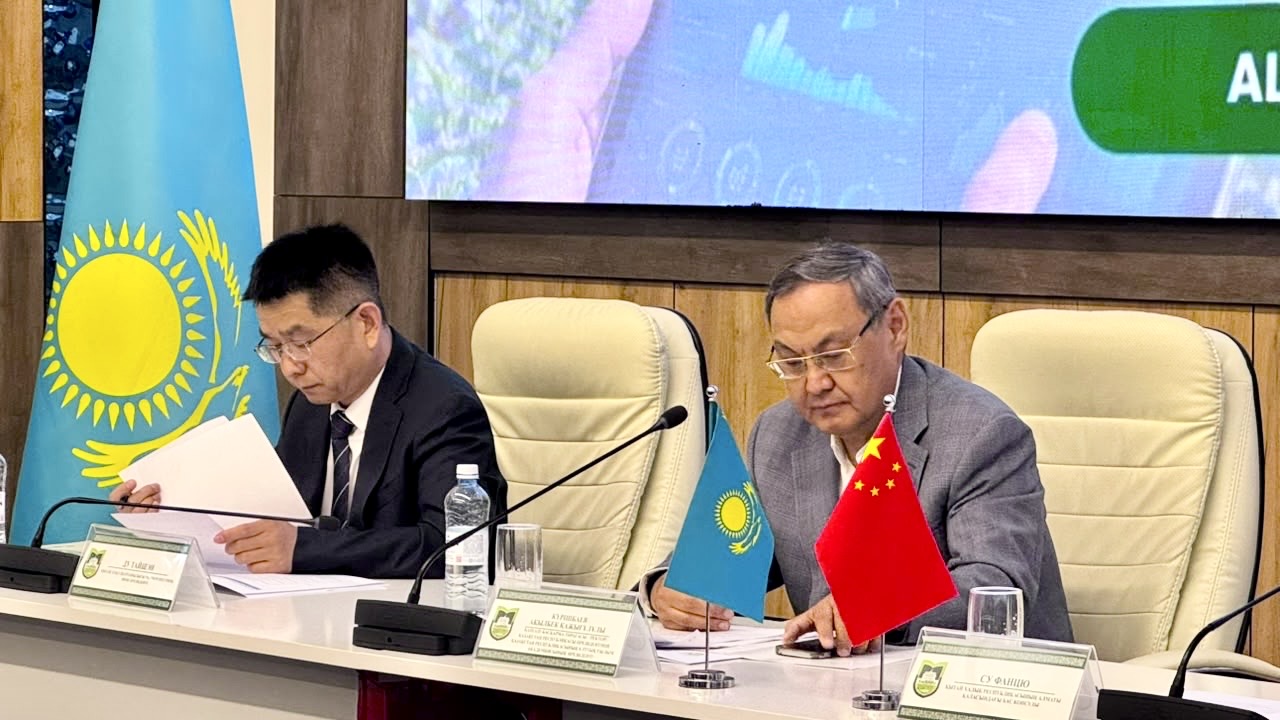
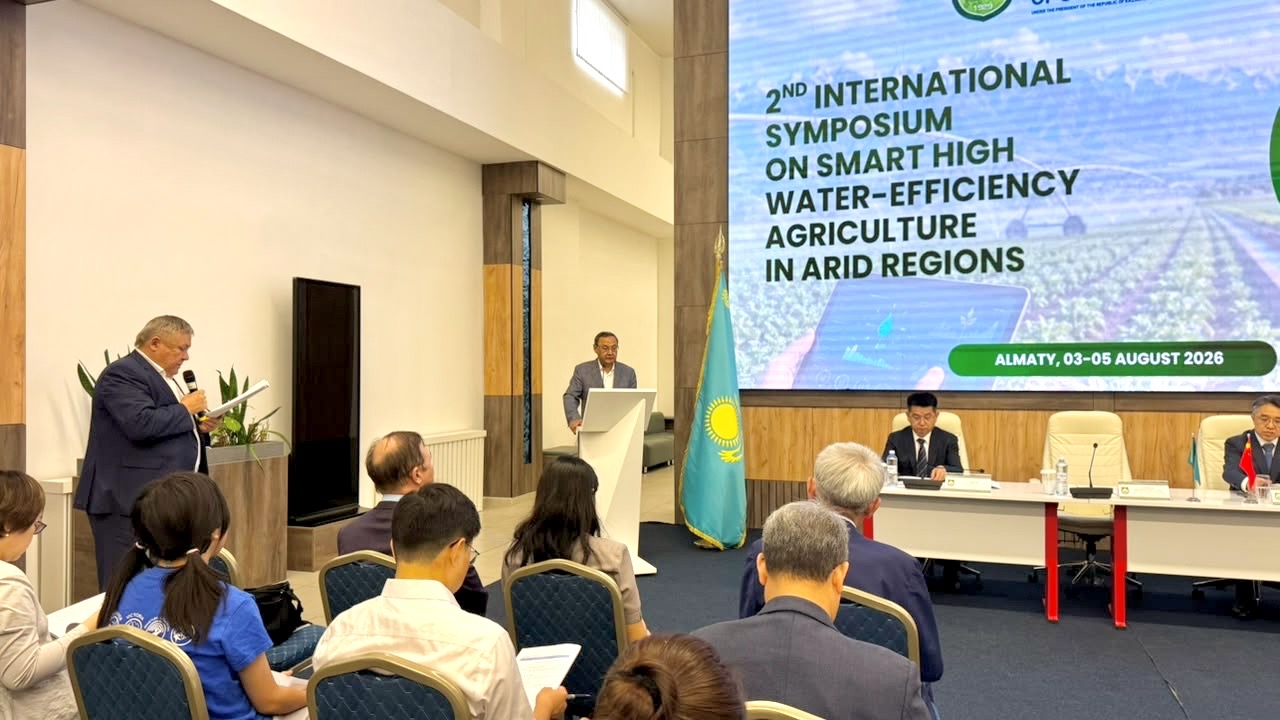
On August 4–5, 2026, the Kazakh National Agrarian Research University (KazNARU) hosted the II International Symposium “China – Central Asia” on High-Efficiency Water-Saving Smart Agriculture. The symposium was jointly organized by KazNARU and China Agricultural University (CAU).
The main objective of the event was to strengthen international scientific cooperation in the areas of efficient water resources management, water-saving technologies, digital agriculture, and sustainable development of the agro-industrial sector in the context of climate change.
The opening ceremony was attended by President of the National Academy of Sciences of the Republic of Kazakhstan under the President of the Republic of Kazakhstan, Chairman of the Board – Rector of KazNARU, Academician Akylbek Kurishbayev; Consul General of the People’s Republic of China in Almaty Su Fanqiu; Director of the Department of Science and Innovation of the Ministry of Water Resources and Irrigation of the Republic of Kazakhstan Marat Imanaliyev; Vice President of China Agricultural University Du Taisheng; as well as leading scientists and experts from Kazakhstan, China, and the countries of Central Asia.
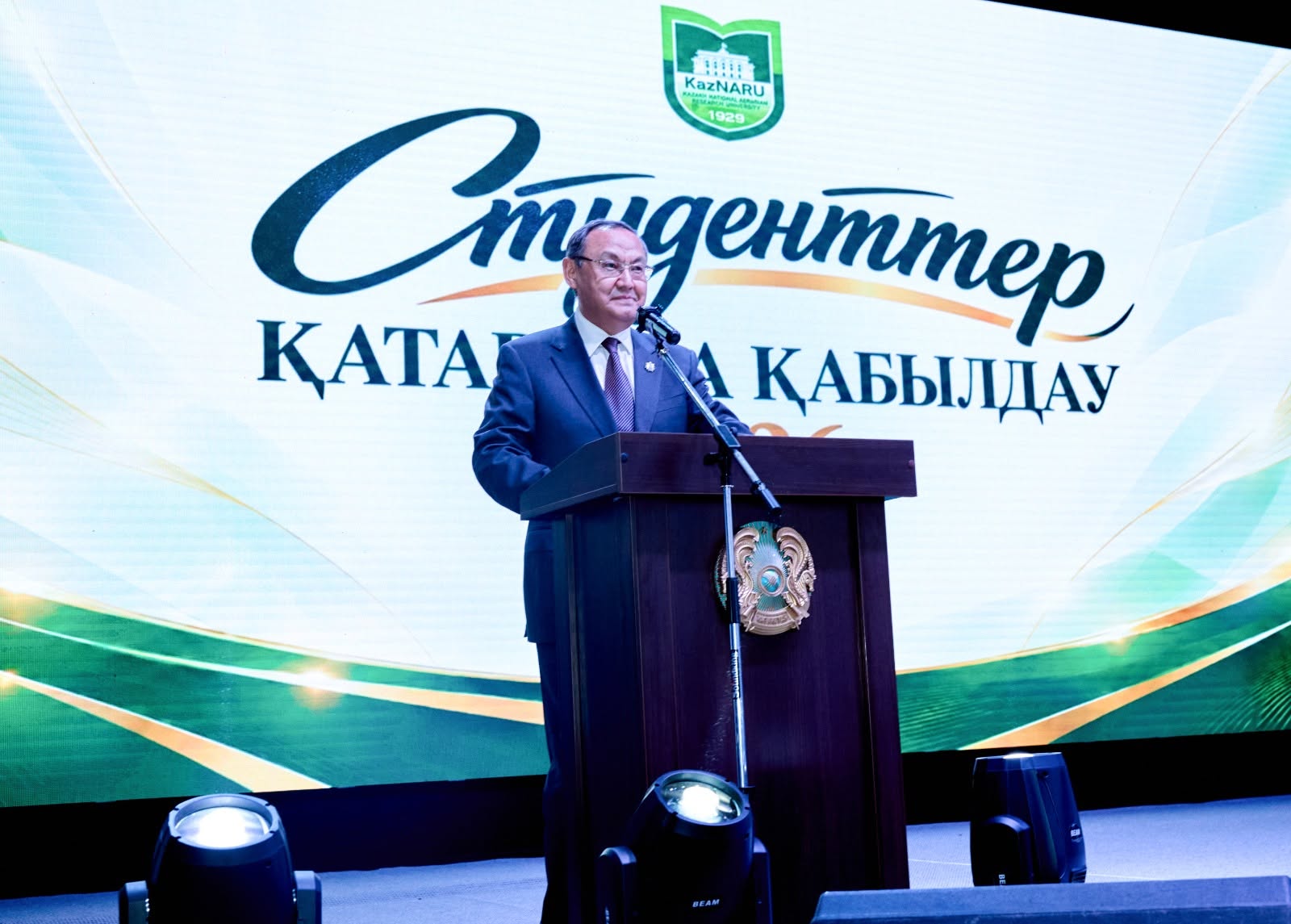
Academician Akylbek Kurishbayev delivered a welcoming address, warmly greeted the participants, and congratulated them on the opening of the international symposium.
“Water resources in the region are unevenly distributed, and a significant proportion of them are transboundary in nature. Climate change is intensifying drought processes and affecting river flow patterns and glacier volumes. At the same time, water losses in irrigation systems and the risks of soil salinization and degradation remain significant. Although data on water, climate, soil, and agricultural crops are collected by various organizations, they are not yet fully integrated into a unified system for forecasting and management decision-making.
For Kazakhstan, cooperation with China in the field of water resources is of particular importance. Our countries are connected by a shared system of transboundary rivers. The condition of the Ili and Black Irtysh river basins directly affects the water supply of Kazakhstan’s regions, the sustainability of Lake Balkhash, agriculture, energy, and natural ecosystems. Therefore, scientific cooperation should complement interstate dialogue with objective data, joint monitoring, and coordinated forecasts.
This is also the key task of the symposium — to move from the exchange of scientific results towards the development of joint mechanisms to improve water-use efficiency in agriculture in Kazakhstan and Central Asia. Importantly, we are not starting this work from scratch,” Academician A. K. Kurishbayev emphasized.
Consul General of the People’s Republic of China in Almaty Su Fanqiu then addressed the participants, highlighting the dynamic development of cooperation between Kazakhstan and China in science and education. He noted that international meetings of this kind create opportunities for exchanging experience and implementing new joint scientific projects.
Director of the Department of Science and Innovation of the Ministry of Water Resources and Irrigation of the Republic of Kazakhstan Marat Imanaliyev and Vice President of China Agricultural University Du Taisheng also congratulated the participants and emphasized the importance of efficient water resources management, the introduction of modern technologies, and the expansion of international scientific partnerships.
The plenary session opened with a presentation by Academician of China Agricultural University and Professor of the College of Water Resources and Intelligent Engineering Kang Shaozhong, entitled “Activities of the State Key Laboratory of Efficient Agricultural Water Resources Utilization.”
FAO expert on water resources management in Kazakhstan Milo Stoker presented international experience in implementing water-saving technologies and highlighted the potential of digital modeling systems.
As part of the scientific program, leading researchers from Kazakhstan, China, and Uzbekistan presented their findings on water-saving technologies, smart agriculture, digital monitoring systems, water resources management under climate change, modernization of irrigation systems, and innovative water treatment technologies.
Professor Liu Wenfeng of China Agricultural University presented the scientific achievements of the joint Kazakhstan–China laboratory.
The symposium concluded with remarks by Li Yunkai, Dean of the College of Water Resources and Intelligent Engineering at China Agricultural University, and Meiram Arystanov, Dean of the Faculty of Water Resources and IT Technologies at KazNARU.
The II International Symposium provided a broad platform for discussing efficient water resources management, high-efficiency water-saving technologies, digital agriculture, and adaptation to climate change.
The event further strengthened scientific cooperation between Kazakhstan and China and opened up new opportunities for the implementation of joint innovative projects.
KazNARU Press Service