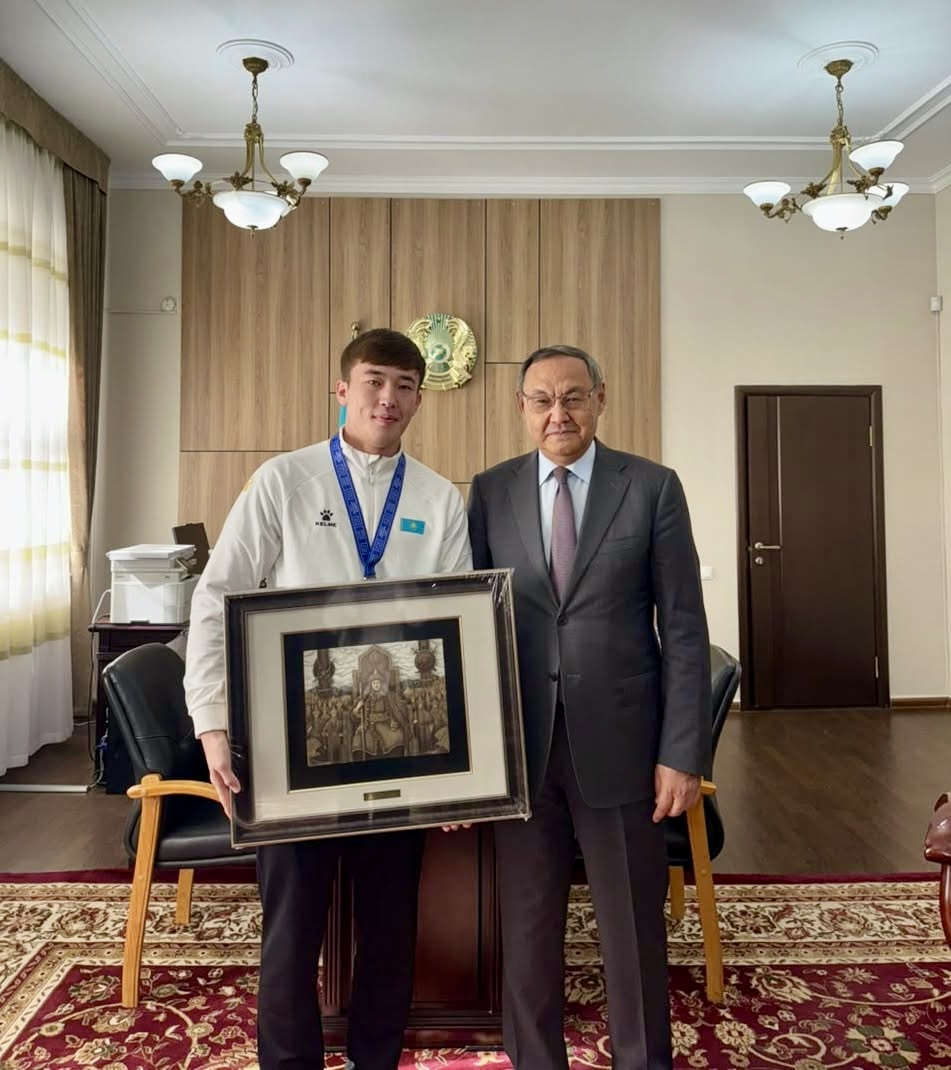
KazNARU professors visited Samarkand State University of Veterinary Medicine, Animal Husbandry and Biotechnology to give lectures and conduct practical classes
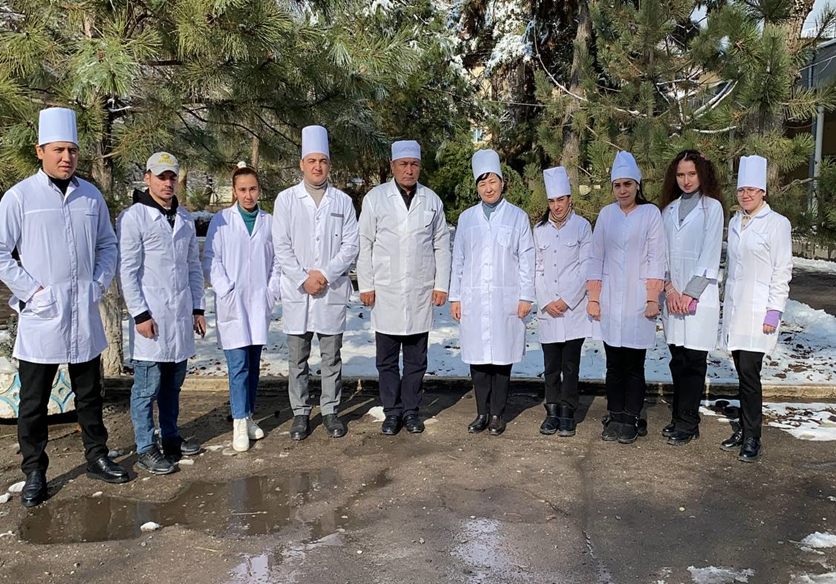
At the invitation of the Rector of the University, Professor Yunusov Khudaynazar Beknazarovich, KazNARU teachers are the head of the Department of Microbiology, Virology and Immunology, Professor Kirkimbaeva Zh.S., Professor of the Department of Biological Safety Ilgekbaeva G.D. visited Samarkand State University of Veterinary Medicine, Animal Husbandry and Biotechnology.
The university is one of the oldest universities in Uzbekistan and has a rich history that dates back to 1929. The educational institution specializes in training personnel for the country’s agricultural sector. The rector of the university, Yunusov Khudaynazar Beknazarovich, introduced the structure of the university, the achievements and plans of the university to solve the assigned tasks.
Samarkand State University of Veterinary Medicine, Animal Husbandry and Biotechnology prioritizes the development of educational activities and its compliance with international standards. One of the ways to solve problems is to improve the quality of educational services by inviting foreign scientists to give lectures. The exchange of experience and knowledge plays an important role in the training of competitive specialists, as the transfer of knowledge and technology is significantly enhanced, new approaches and teaching methods are developed in the process of cooperation between teachers.
The training of specialists for the veterinary industry is currently carried out at two faculties: the Faculty of Veterinary Practice and Treatment; Faculty of Veterinary Diagnostics and Food Safety.
The Faculty of Veterinary Practice and Treatment has 6 departments:
- Department of Anatomy, Histology and Pathological Anatomy of Animals;
- Department of Internal Non-Contagious Diseases;
- Department of Veterinary Surgery and Obstetrics;
- Department of Pharmacology and Toxicology;
- Department of Epizootology and Infectious Diseases;
- Department of organization of parasitic and veterinary affairs.
The Faculty of Veterinary Diagnostics and Food Safety includes 4 departments:
- Department of Physiological Biochemistry and Pathological Physiology;
- Department of Microbiology, Virology and Immunology;
- Department of Veterinary and Sanitary Expertise;
- Department of diseases of birds, fish, bees and fur-bearing animals.
One of the first to be organized (1929) was the Department of Epizootology, Microbiology, Virology and Veterinary Expertise, which is currently divided into two independent departments of the university: the Department of Epizootology and Infectious Diseases (head of the department - PhD, Associate Professor Khudzhamshukurov Akhtam Nurmamatovich) and the Department of Microbiology , Virology and Immunology (head of the department – Doctor of Biological Sciences, Professor Aliev Dilmurod Davronovich).
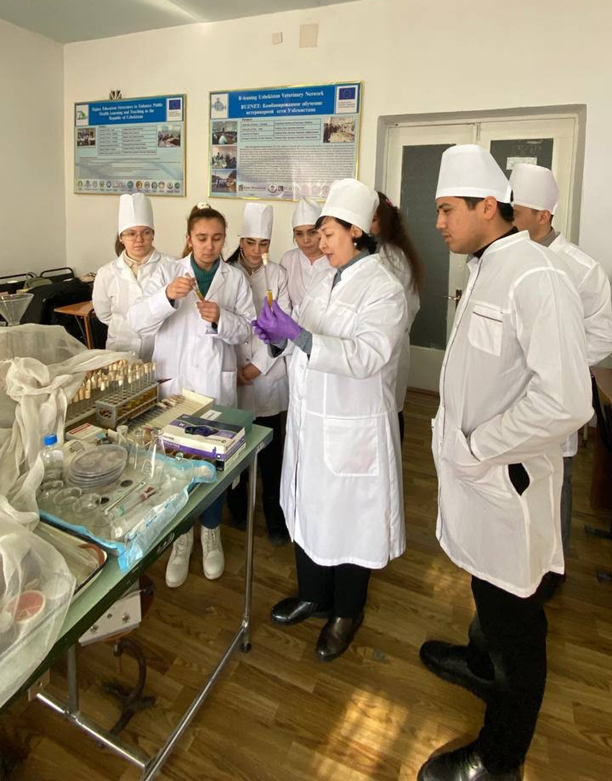
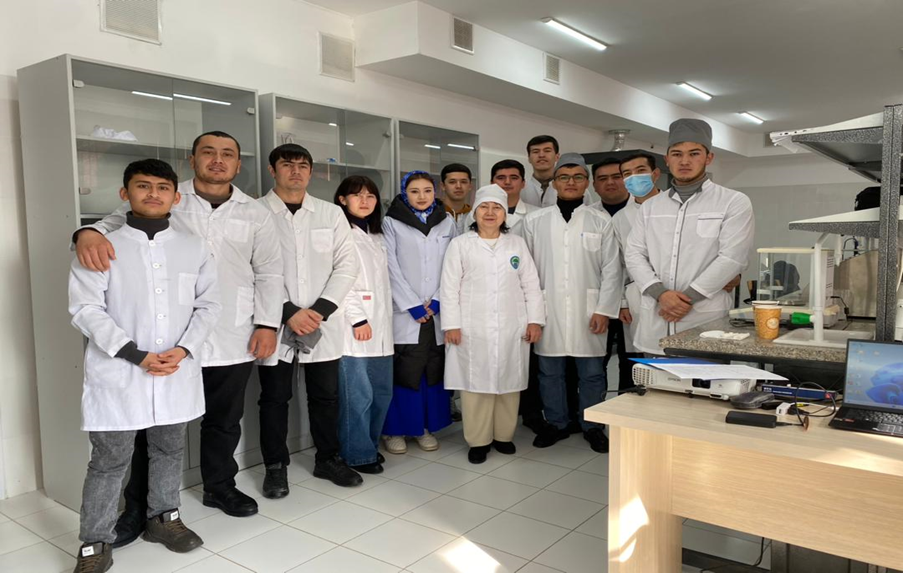
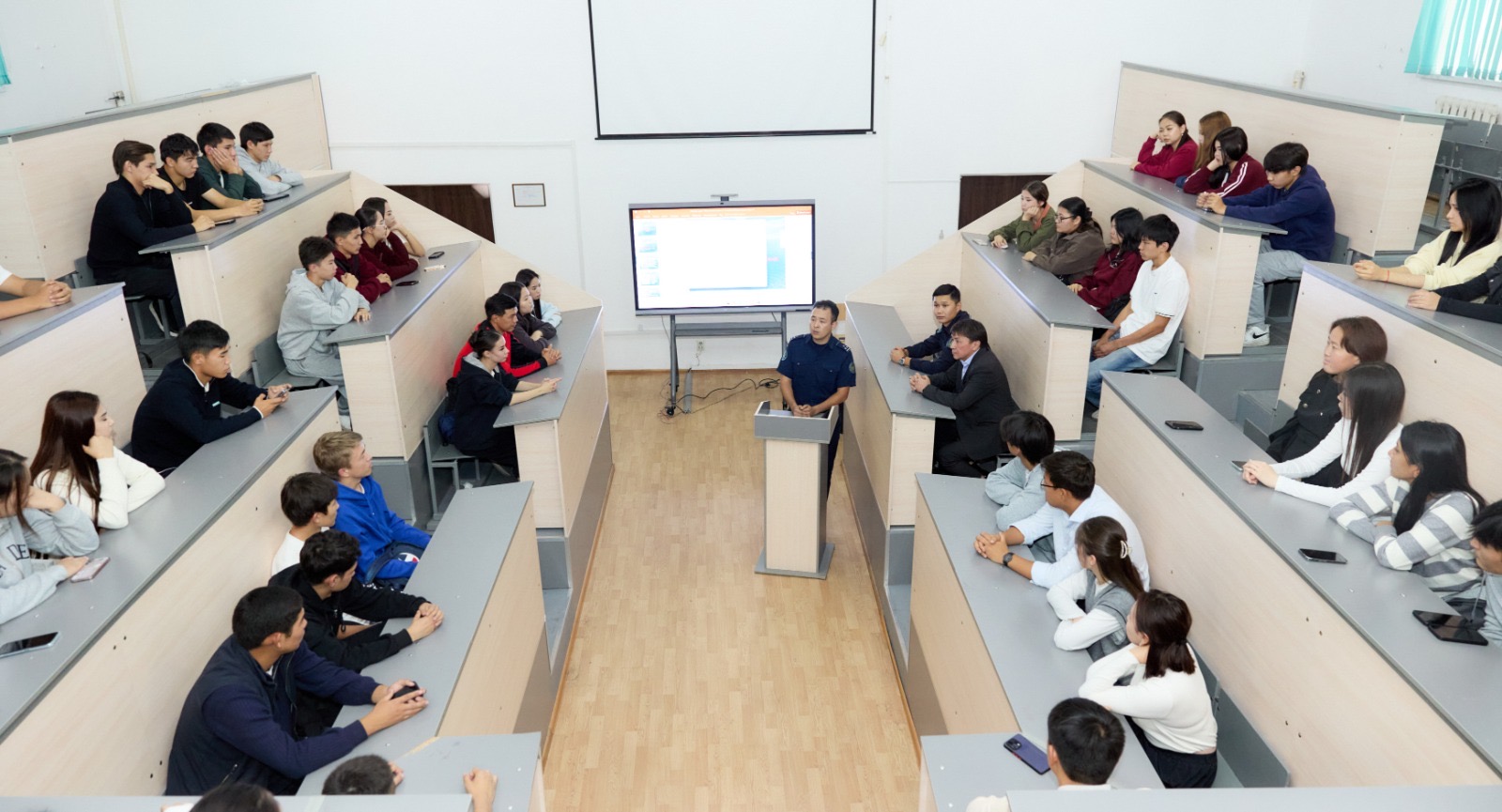
Students showed great interest in the classes of visiting professors. The lectures were organized in an interactive form, during which conversations, discussions, exchange of opinions, and solutions to situational problems were held. In addition, the lecturers presented promising scientific directions for research and noted those scientific aspects and issues that could become the topic of theses, research for undergraduates and doctoral students.
As part of the program for expanding and strengthening international relations, scientists from related departments (Department of “Biological Safety” KazNARU and the Department of Epizootology and Infectious Diseases of SamGUVMZHB; Departments of Microbiology, Virology and Immunology of KazNARU and SamGUVMZHB) are planning to jointly carry out a number of tasks: production of educational and methodological literature, publication of joint articles, expansion of academic mobility.
Positive dynamics in the development of academic relations play a huge role in the formation of the academic reputation of universities in the context of world rankings of the best universities, and accordingly, improves the education system of our countries.
.jpeg)