NAS RK and the Chinese Academy of Sciences Identify Four Priority Areas for Scientific and Technological Cooperation
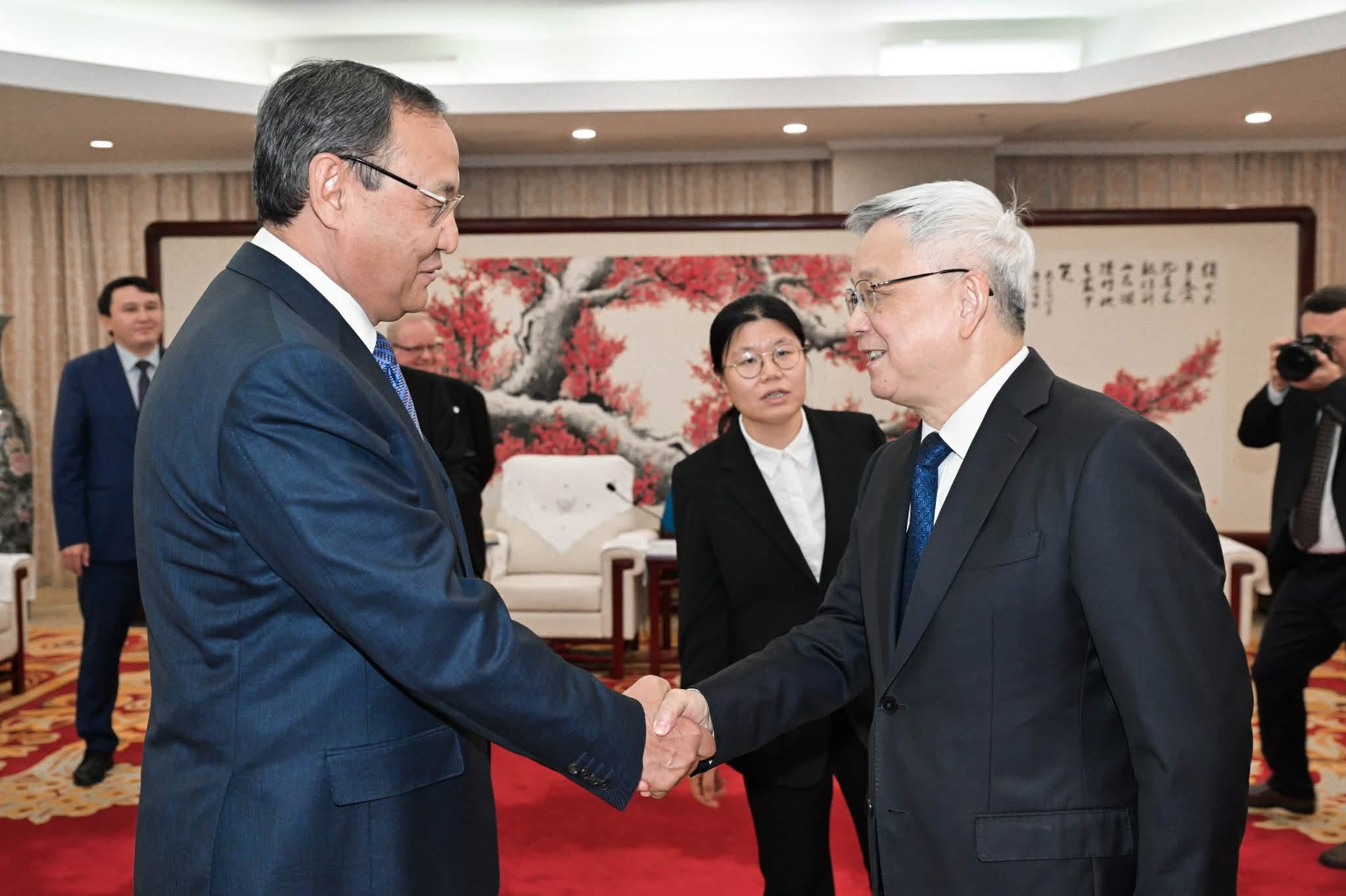
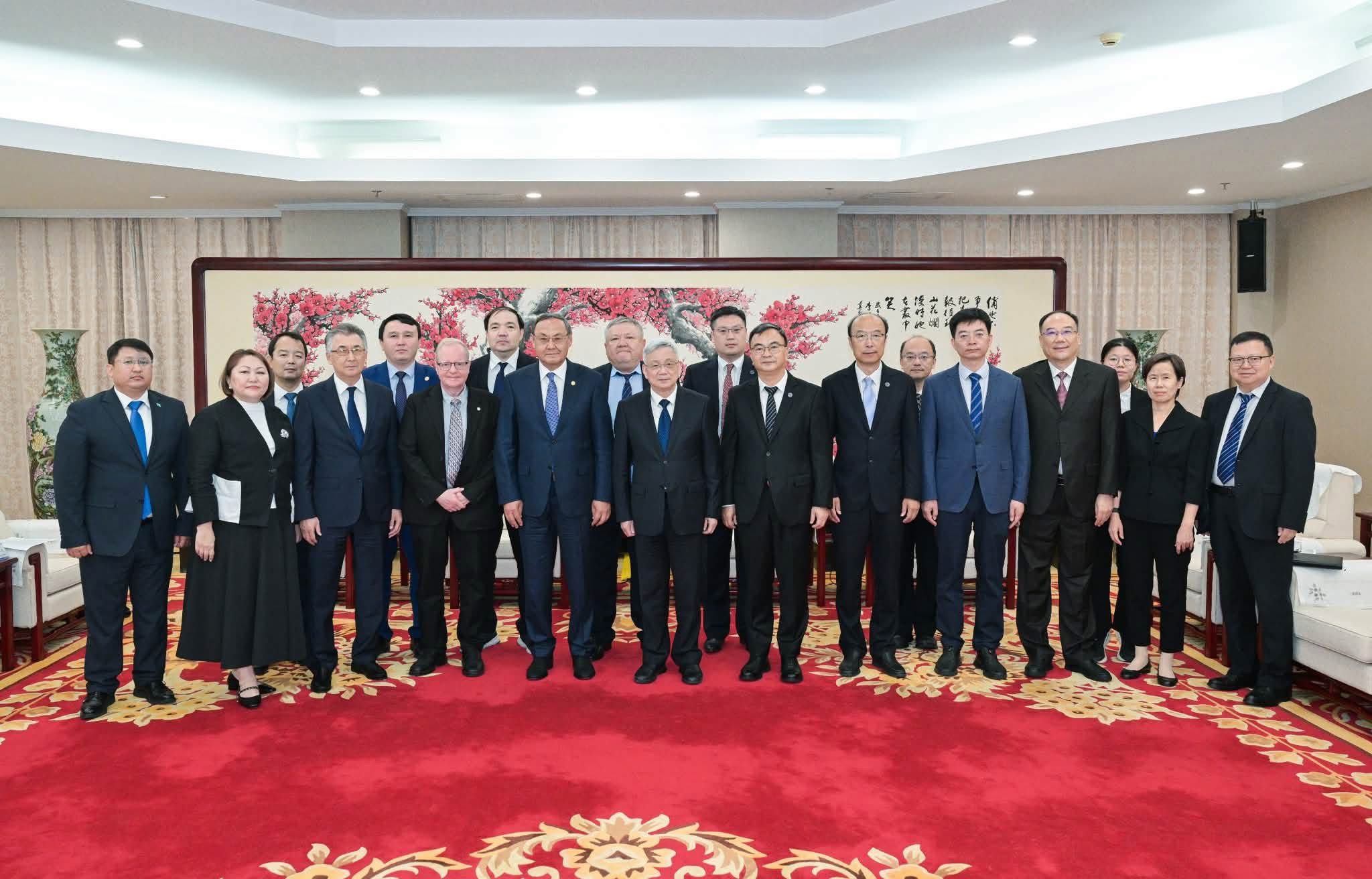
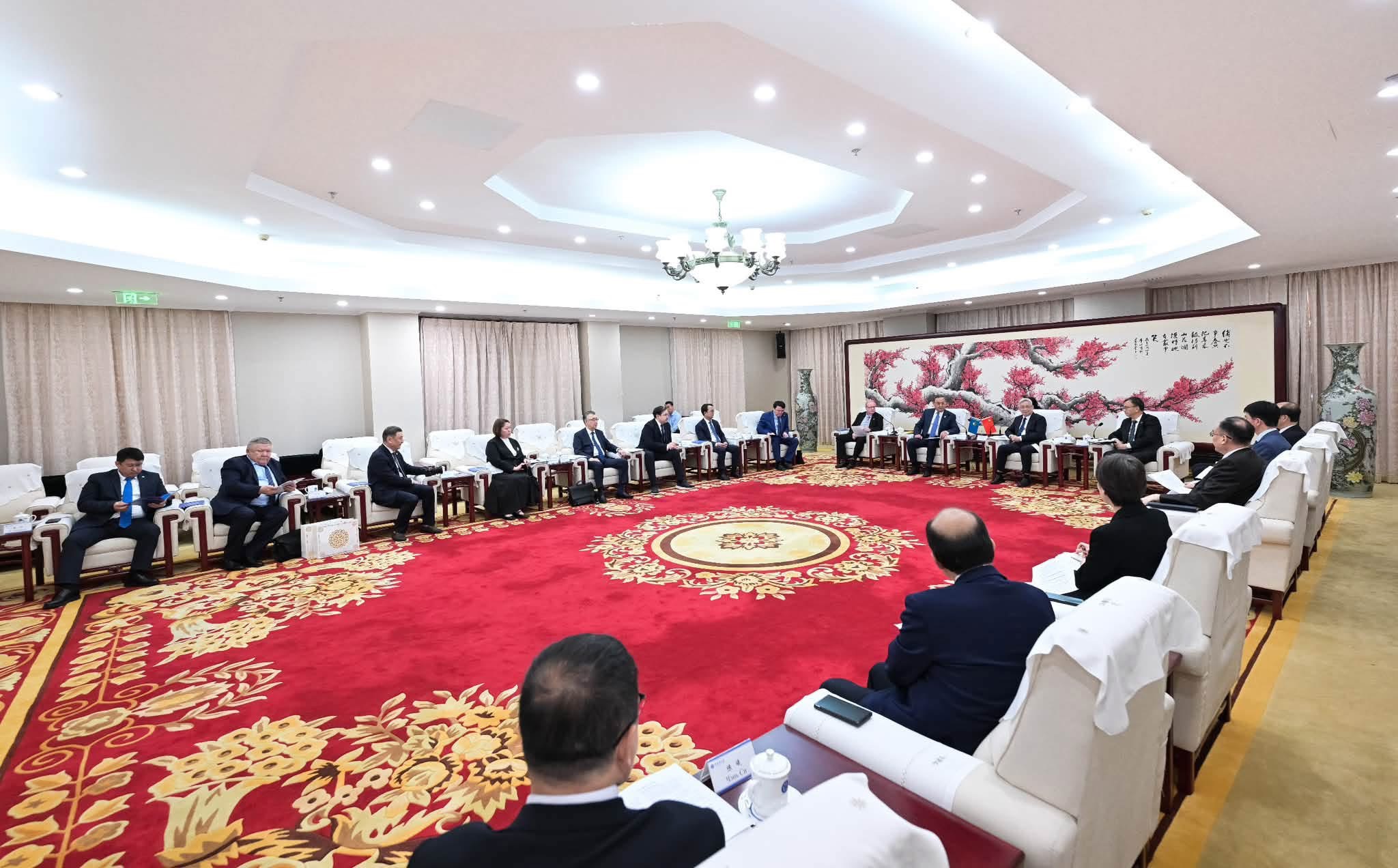
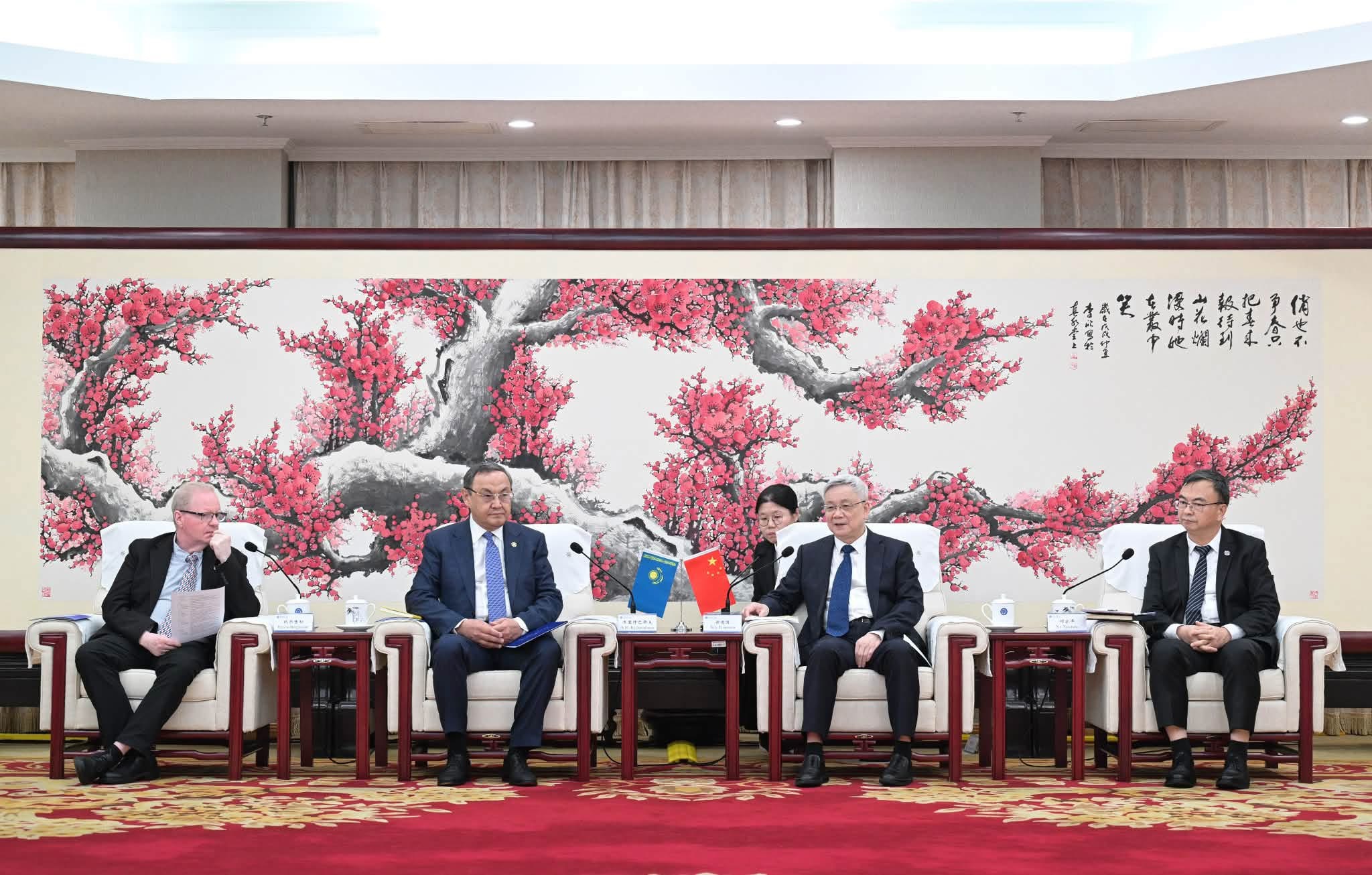
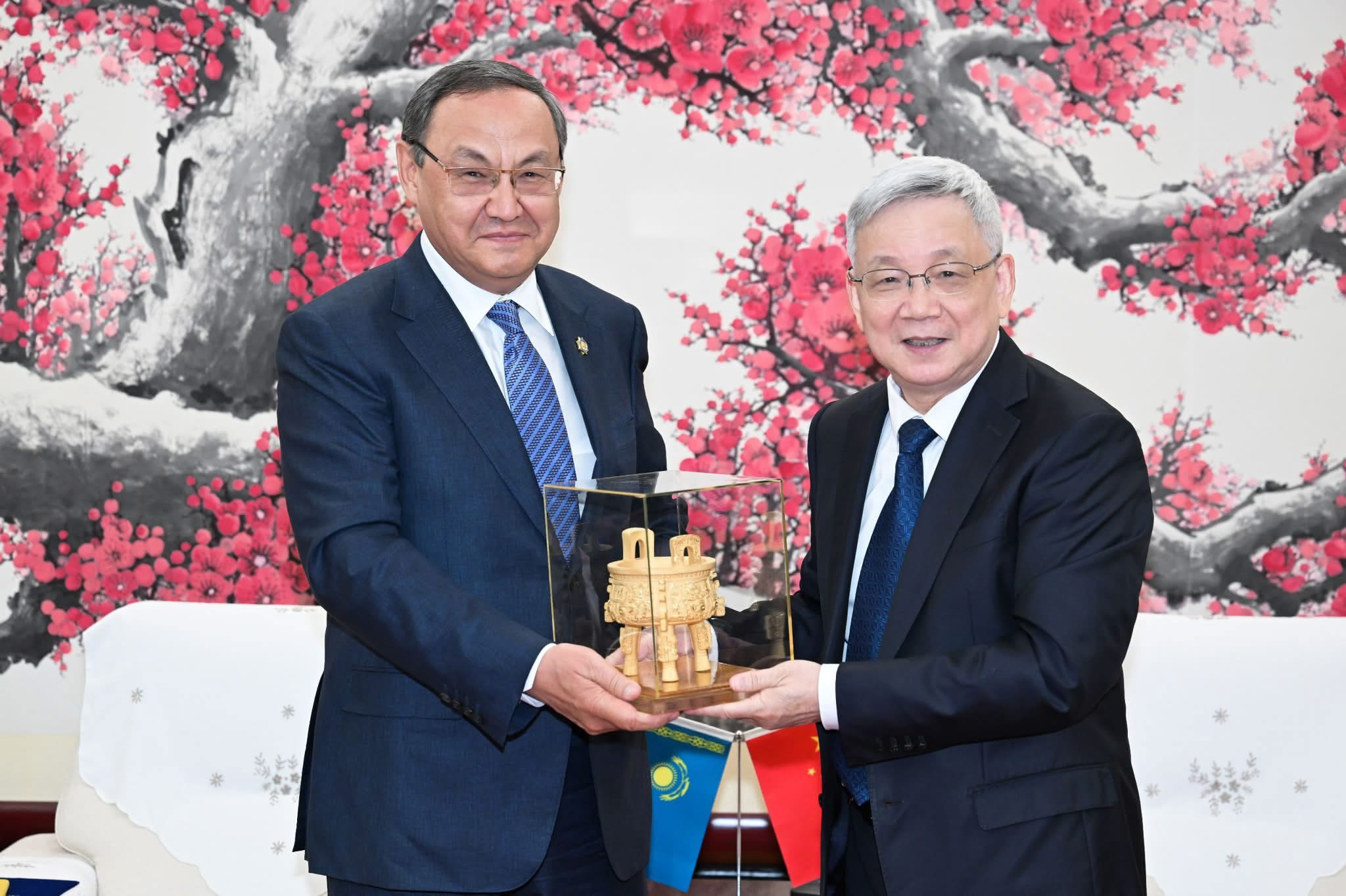
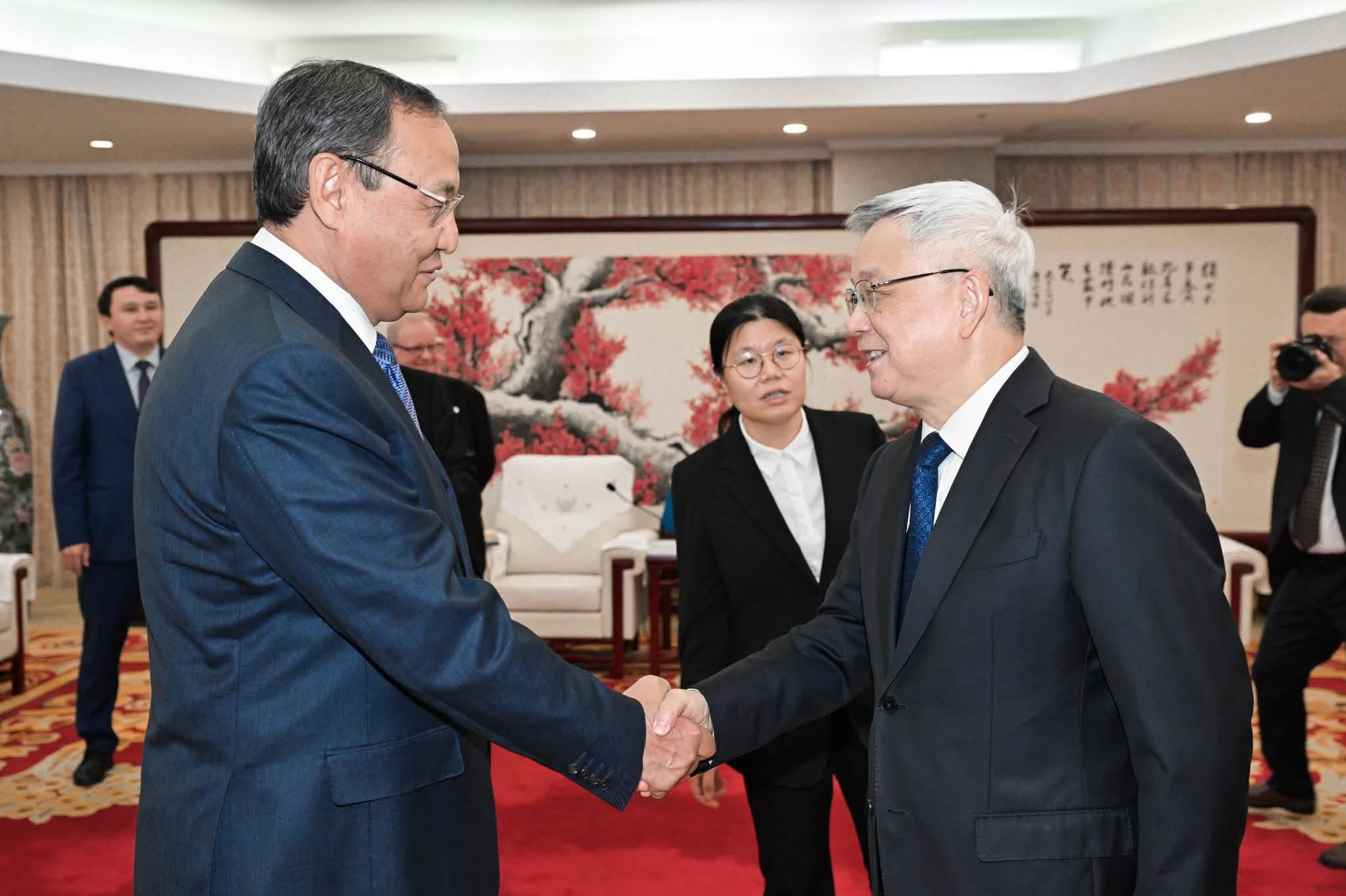
📍 On August 18, 2026, in Beijing, President of the National Academy of Sciences of the Republic of Kazakhstan under the President of the Republic of Kazakhstan A.K. Kurishbayev met with President of the Chinese Academy of Sciences Hou Jianguo.
✔️ The parties discussed the transition from framework-level academic cooperation to the implementation of concrete joint scientific and technological projects. As a result of the talks, four priority areas of cooperation were identified.
1. China–Central Asia Satellite Network
The first area focuses on the development of joint satellite infrastructure for space-based monitoring. The project envisages the launch of five satellites, including high-spatial-resolution satellites, hyperspectral satellites capable of providing detailed assessments of vegetation, soil, water resources, and mineral resources, as well as radar satellites capable of operating regardless of cloud cover or time of day.
✔️ The project aims to move beyond the acquisition of satellite imagery toward a comprehensive end-to-end system encompassing data collection, processing, scientific analysis, forecasting, and the development of actionable solutions for government agencies and key sectors of the economy. Its main applications will include monitoring water resources and glaciers, agricultural land and pastures, floods, droughts, wildfires, land degradation, and other natural and climate-related risks.
✔️ The Kazakh side is exploring cooperation with relevant institutes of the Chinese Academy of Sciences on satellite development, launch, and operation, as well as the practical application of the data obtained. Particular emphasis is being placed on integrating the satellite network with artificial intelligence tools, enabling a transition from monitoring to advanced forecasting and modelling.
2. Artificial Intelligence for Science (AI for Science) and the Development of DeepBas
A key focus of the meeting was the advancement of Artificial Intelligence for Science (AI for Science). This approach goes beyond the use of language models and involves the direct integration of AI throughout the scientific research cycle — from analysing scientific literature and large datasets to identifying patterns, formulating and testing hypotheses, modelling complex processes, designing experiments, and predicting outcomes.
✔️As Kazakhstan’s foundation for advancing this area, the National Academy of Sciences is developing DeepBas, a spatiotemporal artificial intelligence platform. Its purpose is to integrate scientific knowledge, satellite and geospatial data, observational data, and specialised models into a unified environment for addressing complex interdisciplinary challenges.
✔️During the talks, the parties discussed cooperation with relevant institutes of the Chinese Academy of Sciences (CAS) on adapting the “Panshi” (磐石) scientific foundation model and the “Zidong Taichu” (紫东太初) multimodal model for use in Kazakhstan, as well as integrating them with DeepBas. The objective is not simply to transfer ready-made solutions, but to adapt these models to Kazakhstan’s scientific data, linguistic environment, and sector-specific needs, with a view to jointly developing specialised scientific models and AI agents.
✔️Potential applications include water resources, agriculture, and geology. These include the joint analysis of satellite, hydrological, and meteorological data to assess floods, droughts, and water scarcity; soil, crop, and weather data to forecast agricultural yields; and geological, geophysical, geochemical, and remote-sensing data to identify promising mineral deposits. Hou Jianguo specifically proposed advancing “smart geology” — the application of AI and integrated datasets to improve the accuracy of geological forecasting and mineral exploration, including the exploration of critical mineral resources.
✔️A separate area of cooperation involves the development of high-quality scientific corpora and knowledge bases in the Kazakh and Russian languages for training and validating AI models, including materials related to historical and cultural heritage. This will contribute to the development of Kazakhstan’s own national scientific knowledge base and enable the application of AI not only in the natural sciences but also in the humanities.
✔️Cooperation in the field of AI for Science will also involve the establishment of joint research teams, exchanges of scientists, and the testing and validation of new AI tools in real-world research projects.
3. Nuclear Physics and Energy
The third area focuses on moving beyond Kazakhstan’s traditional role as a supplier of raw materials in the nuclear sector toward the development of higher-value technologies. The parties discussed joint research in nuclear physics, materials science, nuclear safety, and advanced energy technologies.
✔️Particular interest was expressed in small modular reactors (SMRs) — compact nuclear power systems with a lower generating capacity than conventional large-scale nuclear power units. For Kazakhstan, promising areas of scientific and engineering cooperation include modelling, research into structural materials, and studies of reactor reliability and safety.
Another important area is the development of radiation-resistant materials capable of maintaining their properties under prolonged exposure to intense neutron and radiation fields and high temperatures. Such materials are essential for next-generation reactors and other advanced high-technology systems.
✔️The parties also discussed advanced nuclear fuel technologies. TRISO is a highly heat-resistant microencapsulated fuel in which particles of nuclear material are enclosed within multiple protective ceramic layers, enhancing their stability and safety at high temperatures. MOX is a mixed-oxide fuel based on uranium and plutonium oxides that enables more efficient utilisation of resources within the nuclear fuel cycle. Additional areas of cooperation include nuclear and radiation safety, radioecology, isotope technologies, and the application of nuclear methods in medicine, industry, and agriculture.
✔️To support practical implementation, the parties proposed establishing joint research teams involving relevant institutes from Kazakhstan and China, with clearly defined research objectives, joint experiments, exchanges of specialists, and training of scientific and technical personnel.
4. Science and Technology Partnership for Alatau City
The fourth area concerns the potential involvement of the Chinese Academy of Sciences (CAS) in the development of the science and technology ecosystem of Alatau City. Kazakhstan is interested in drawing on the experience of China’s leading innovation hubs, particularly Shenzhen, where science, engineering, technology companies, investment, and industry are integrated into a unified innovation ecosystem.
✔️It is proposed to engage CAS institutes and experts in science and technology foresight, the evaluation of promising projects, the identification of priority technological specialisations, and the development of joint research and engineering centres. The parties also discussed the possibility of establishing a joint research and innovation centre of the National Academy of Sciences of Kazakhstan and the Chinese Academy of Sciences in Alatau City.
Such a centre could serve as a platform for joint projects in artificial intelligence, space technologies, advanced materials, energy, robotics, digital twins, and other emerging fields, providing a pathway from scientific ideas and prototypes to pilot implementation, engineering refinement, and commercialisation.
✔️A cross-cutting priority of the cooperation will be the training and development of scientific talent. Hou Jianguo proposed allocating places for Kazakhstani researchers in the Chinese Academy of Sciences’ doctoral and postdoctoral programmes in priority areas of cooperation. This would help establish sustainable joint research teams and strengthen the human-capital base for cooperation in artificial intelligence, space technologies, geology, nuclear physics and energy, water resources, advanced materials, and other promising scientific and technological fields.
✔️From Agreements to Joint Projects
Following the meeting, the parties agreed to appoint coordinators and establish a joint working group to advance the four priority areas in practical terms. The group will identify specific projects, relevant research institutes, implementation stages, and mechanisms for cooperation. The key objective of this new phase is to move beyond framework memoranda toward the joint development of technologies, scientific infrastructure, and practical solutions, with AI for Science playing a central role.
✔️The President of the National Academy of Sciences of Kazakhstan also invited Hou Jianguo, the leadership, and leading scientists of the Chinese Academy of Sciences to participate in events marking the 80th anniversary of the National Academy of Sciences of Kazakhstan.